
Aswan Tour Guide Tips | How to Hire the Right Guide in Aswan in 2026
Learn how to hire the right Aswan Tour Guide. Compare prices, verify licenses, and book a private guide A ...
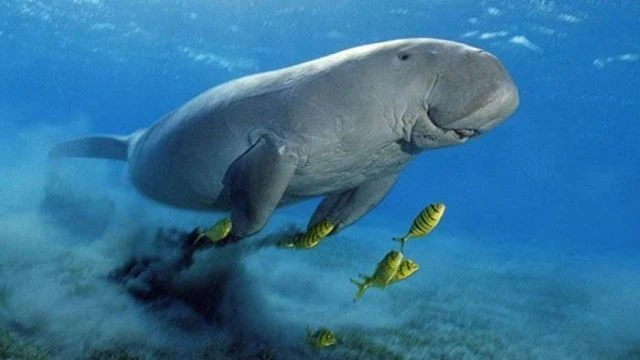
Dreaming of swimming alongside gentle sea turtles and the elusive dugong? This complete guide covers Abu Dabbab Bay — one of the Red Sea's most extraordinary natural treasures. Located in Marsa Alam, Abu Dabbab Bay Marsa Alam Egypt offers world-class snorkeling, pristine beaches, and unforgettable marine encounters. Whether you're searching for Abu Dabbab turtle-watching tours or planning a family day trip, this guide covers everything you need to know about visiting Abu Dabbab bay Marsa Alam.
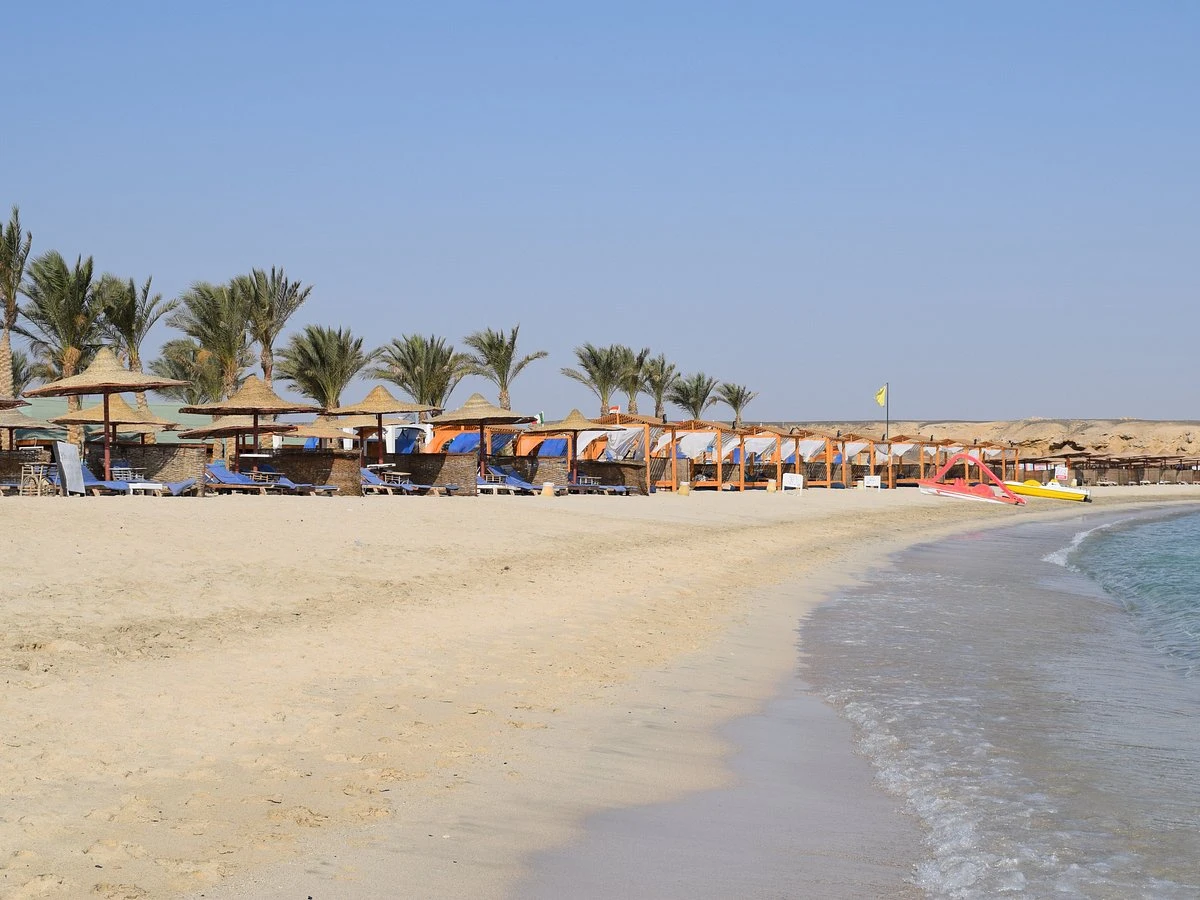
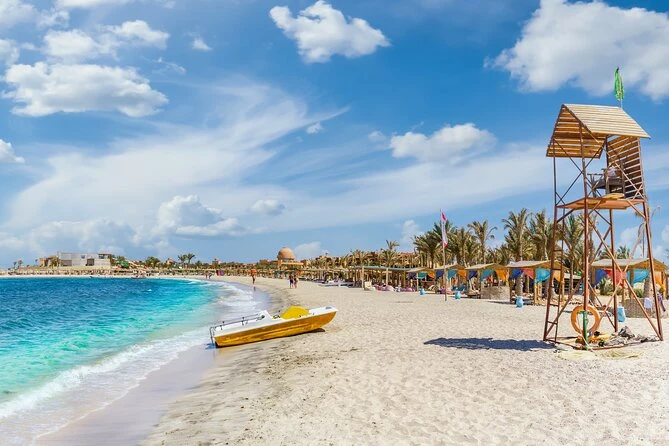
Abu Dabbab Bay (also known simply as Abu Dabbab) is a stunning natural U-shaped bay located on the western coast of the Red Sea, approximately 30 kilometers north of Marsa Alam. This sheltered bay is one of the most famous and beloved snorkeling and diving destinations in all of Egypt, renowned for its crystal-clear waters, pristine sandy beach, and extraordinary marine life.
What makes Abu Dabbab Bay Marsa Alam Egypt truly special is its unique combination of accessibility and biodiversity. The bay's shallow, protected waters make it ideal for snorkelers of all skill levels, while the seagrass beds and coral gardens attract an incredible array of marine life. This is one of the very few places on Earth where you can reliably encounter both green sea turtles and the elusive dugong (sea cow) in their natural habitat.
For travelers visiting Egypt's Red Sea coast, Abu Dabbab is an essential stop — a place where the underwater world feels close enough to touch, and where the memory of swimming alongside a sea turtle stays with you long after you've left the water.
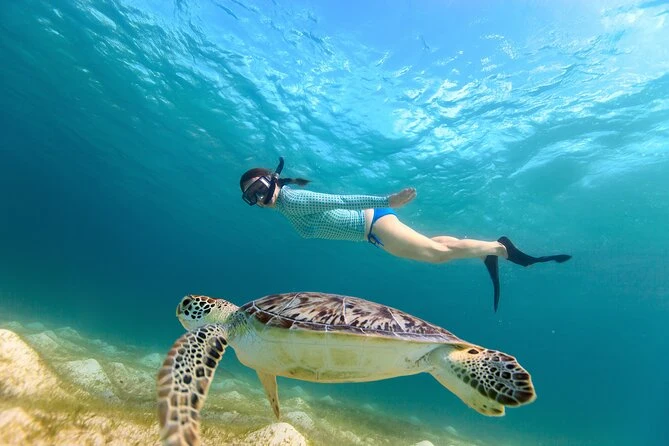
Abu Dabbab Bay is located on the Red Sea coast, approximately 30 kilometers north of Marsa Alam town. It sits at the mouth of the Abu Dabbab valley (wadi), on the western shore of the Red Sea.
The bay is easily accessible from Marsa Alam's main resorts. The drive from central Marsa Alam takes about 30–40 minutes, making it a convenient day trip destination. Most organized tours include hotel pickup and drop-off from Marsa Alam or Port Ghalib.
GPS Coordinates: Approximately 25°20'N, 34°45'E
Nearby Resorts: Several hotels are located directly at Abu Dabbab, including the Hilton Marsa Alam and the Malikia Resort. If you're staying at one of these properties, you can walk to the bay entrance — a major advantage for early morning snorkeling.
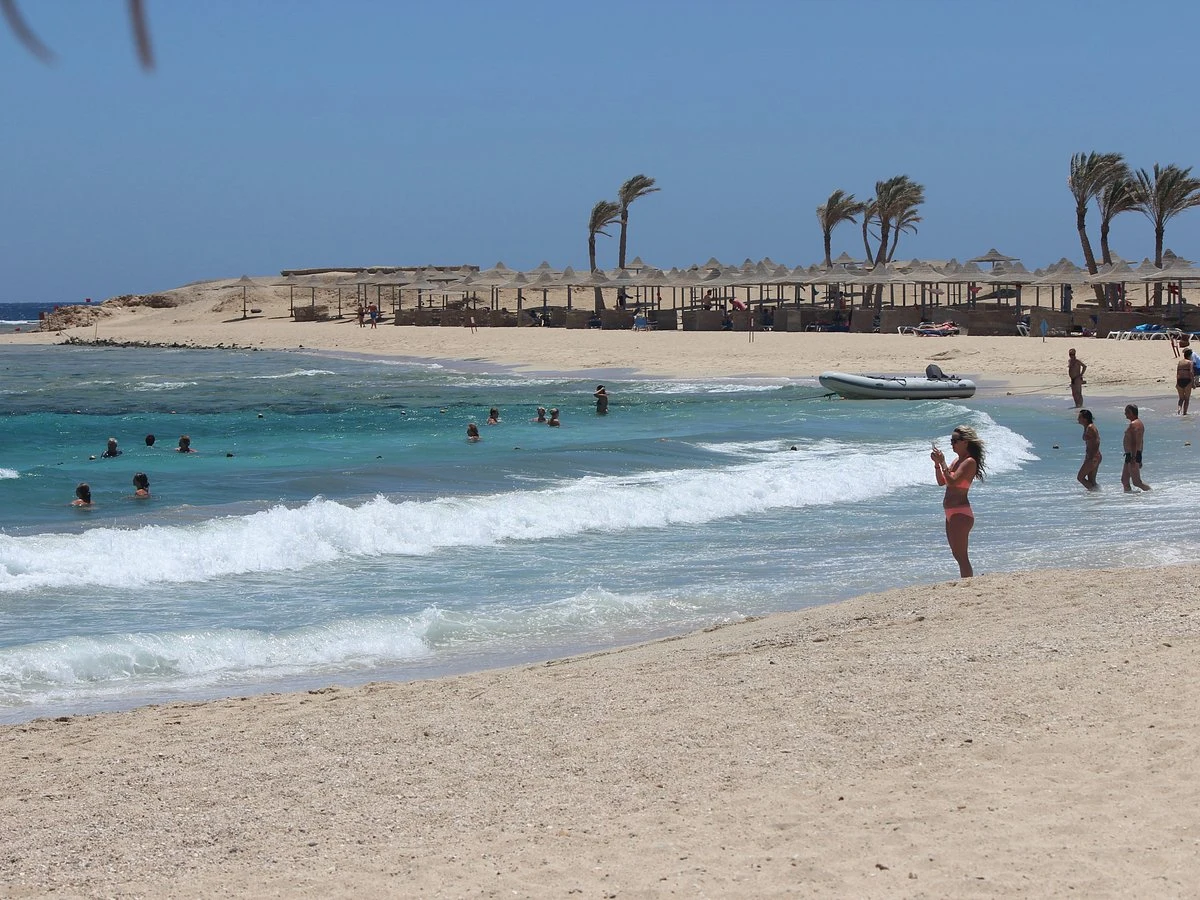
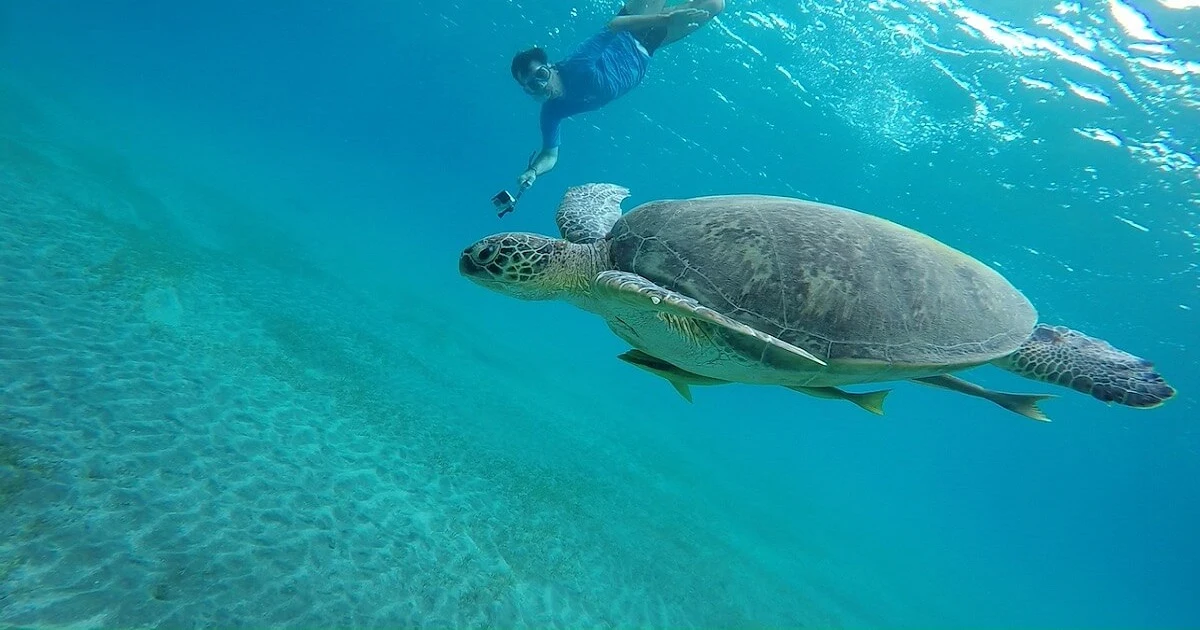
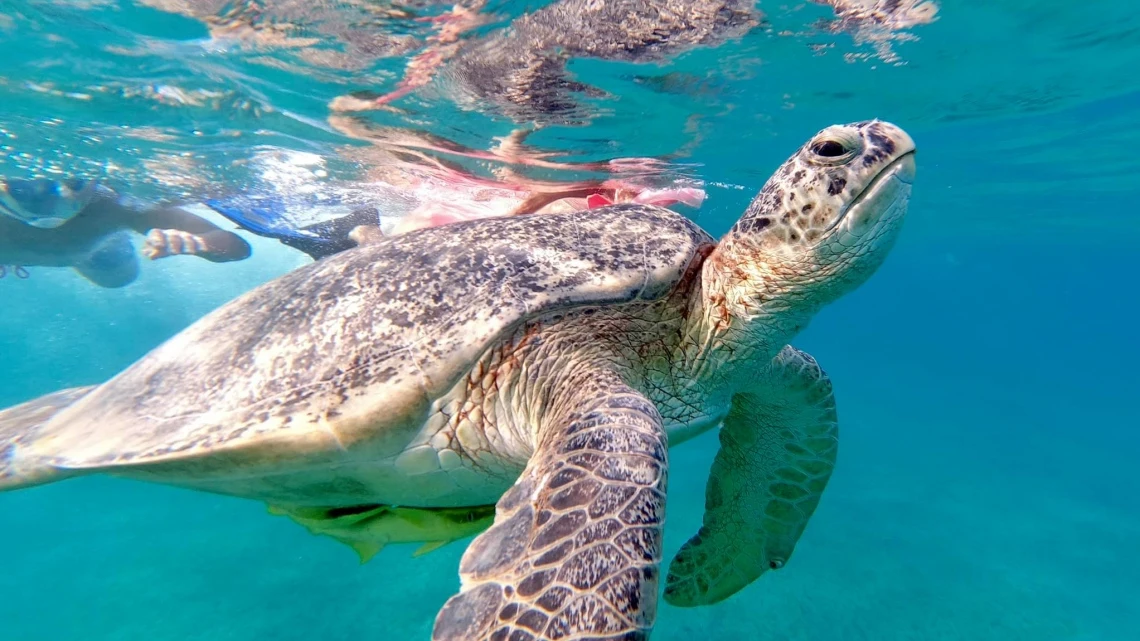
Abu Dabbab Bay is famous for its population of green sea turtles (Chelonia mydas). These gentle creatures are year-round residents of the bay, making Abu Dabbab one of the most reliable places in Egypt to see them.
The turtles feed on the seagrass beds that carpet the shallow areas of the bay. On any given day, snorkelers can expect to see multiple turtles gliding gracefully through the water, often completely unbothered by human presence. The bay's protected, calm waters make it an ideal habitat for these ancient reptiles.
Best spots for turtle sightings: The seagrass beds in the center and northern sections of the bay are the most reliable areas.
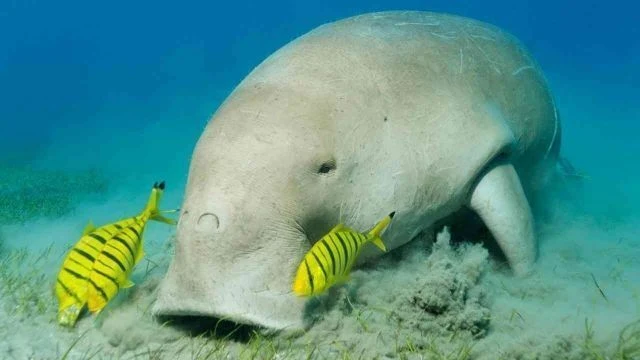
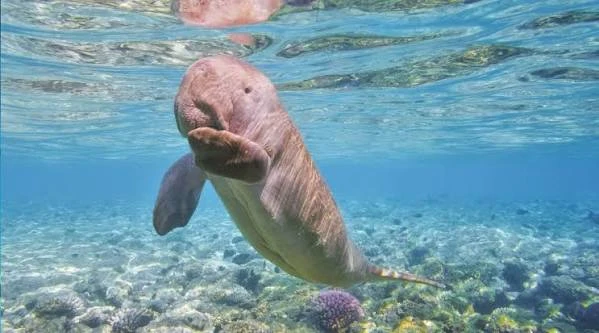
Abu Dabbab Bay is one of the few places in the world where you have a realistic chance of encountering a dugong (Dugong dugon), also known as the sea cow. These gentle marine mammals are relatives of the manatee and feed exclusively on seagrass — which is abundant in the bay's shallow waters.
Dugong sightings are not guaranteed — they are wild animals and do not follow a schedule. However, the bay's seagrass beds are their primary feeding grounds, and many visitors are rewarded with a glimpse of these elusive creatures.
Best chance of spotting a dugong: Early morning visits offer the highest probability. The dugongs tend to feed in the shallows before the bay becomes crowded with boats and swimmers. Maintaining a respectful distance is essential — these are protected animals, and approaching too closely can disturb their feeding behavior.
Beyond the seagrass beds, Abu Dabbab Bay features vibrant coral gardens along its sides. These reefs are home to an astonishing variety of tropical fish, including:
The combination of seagrass beds and coral reefs means that Abu Dabbab offers two distinct snorkeling experiences in one location — the open, sandy shallows where turtles and dugongs feed, and the vibrant, colorful reef walls teeming with fish.
Snorkeling is the number one reason visitors come to Abu Dabbab Bay, and for good reason. The bay offers some of the most accessible and rewarding snorkeling in the Red Sea.
What to expect:
Snorkeling tours: Most visitors book a guided snorkeling trip that includes round-trip hotel transfers, snorkeling equipment, and a guide who knows the best spots in the bay. Prices for these tours typically start around $58–$60 per person.
For those staying at a resort directly on Abu Dabbab, you can simply walk to the beach and enter the water at your convenience — no tour required.
Essential gear: If you're not renting equipment, bring a mask, snorkel, and fins. Water shoes are highly recommended — the entry into the water can be rocky in places.
While snorkeling is the most popular activity at Abu Dabbab, the bay is also a world-class diving destination. Certified divers can explore the bay's coral reefs and deeper sections, with dive sites ranging from shallow reef gardens (5–10 meters) to deeper walls and coral blocks (10–15 meters).
Elphinstone Reef — one of the most famous dive sites in the Red Sea — is located just 20 minutes by speedboat from Abu Dabbab. This offshore reef is renowned for its steep walls, pelagic fish, and occasional shark sightings. Many dive centers based at Abu Dabbab offer day trips to Elphinstone, combining a morning dive at the reef with an afternoon snorkeling in the bay. For more information on diving prices in Hurghada and the surrounding area, check out our guide to diving Hurghada prices .
Dive centers: Several PADI-certified dive centers operate in Abu Dabbab Bay, offering courses for beginners (Discover Scuba Diving) through to professional certifications.
Access to Abu Dabbab Bay requires payment of an entrance fee. Based on 2026 pricing:
These fees are typically not included in tour prices and must be paid on-site. Some tour operators may include the fee in their package — always confirm what's included when booking.
| Tour Type | Price Range |
| Snorkeling day trip (with transfers and guide) | From $58–$60 per person |
| Speedboat snorkeling trip | From €35 per person |
| Full-day trip with lunch | Varies by operator |
| Private guided snorkeling | Higher rates |
Additional costs: Transfers from outlying resorts (Makadi, Sahl Hasheesh, El Gouna) may incur extra charges of $5–$10 per person.
Abu Dabbab Bay is typically open to visitors from 8:00 AM to 4:00 PM. The beach can get crowded, especially during peak season, so arriving early (around 9:00 AM) is recommended to secure a good spot.
The best time to visit Abu Dabbab Bay is during the cooler months from October to April, when temperatures are pleasant for both beach activities and sightseeing. For the overall best time to visit Egypt, this period offers the most comfortable conditions for exploring the country's attractions.
For the optimal balance of water comfort, manageable wind, and comfortable air temperatures, the spring months (March to May) and autumn months (September to November) are considered the sweet spots.
Summer (June–August): Can be very hot, with temperatures often exceeding 35°C. However, the water is warm and the sea breeze makes beach activities bearable. The bay can be more crowded during the European summer holidays.
Winter (December–February): Daytime temperatures are mild (20–25°C), and the water remains warm enough for snorkeling. This is an excellent time to visit if you prefer cooler air temperatures.
Best time of day: Early morning (arriving by 8:00–9:00 AM) offers the best chance of spotting dugongs, the calmest water, and the least crowded beach.
Best months for marine life: Turtles are present year-round. Dugong sightings are most common in the cooler months when the seagrass is at its healthiest.
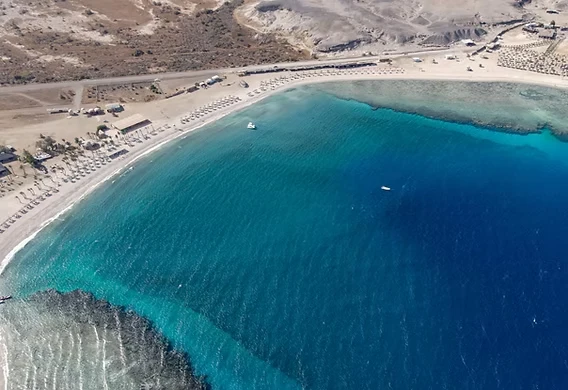
When planning a day trip from Marsa Alam, many travelers face the choice between Abu Dabbab and Sharm El Luli. Both are stunning, but they offer very different experiences.
| Abu Dabbab Bay | Sharm El Luli |
| Marine life is the main attraction — turtles and dugongs | White sand and turquoise water are the main attractions |
| Accessible, easy to reach, close to Marsa Alam | More remote, requires a longer drive (approx. 60 km south) |
| Can be crowded, especially in peak season | Often quieter due to its remoteness |
| Good for all ages and skill levels | Pristine, untouched feel |
| Snorkeling from the beach | Snorkeling from the beach |
Choose Abu Dabbab if:
Choose Sharm El Luli if:
The bottom line: Both are exceptional. For marine life encounters, Abu Dabbab is unmatched. For a classic "desert island" beach experience, Sharm El Luli is the better choice.
By organized tour: The easiest way to visit Abu Dabbab Bay is to book an organized tour that includes hotel pickup and drop-off. Most tours depart from Marsa Alam or Port Ghalib.
By private transfer: If you prefer to visit independently, you can hire a private driver to take you to the bay. Tour Guides Egypt can arrange Private Drivers for a comfortable, hassle-free journey.
By rental car: The drive from Marsa Alam to Abu Dabbab Bay takes approximately 30–40 minutes. The road is paved and well-maintained. Parking is available near the beach entrance.
From Hurghada: Abu Dabbab Bay is approximately 270 kilometers south of Hurghada — a drive of about 3–4 hours. Many travelers visit Marsa Alam specifically for Abu Dabbab, making it a worthwhile stop on a Red Sea road trip. To learn more about Marsa Alam and whether it's the right destination for you, check out our guide: is Marsa Alam worth visiting .
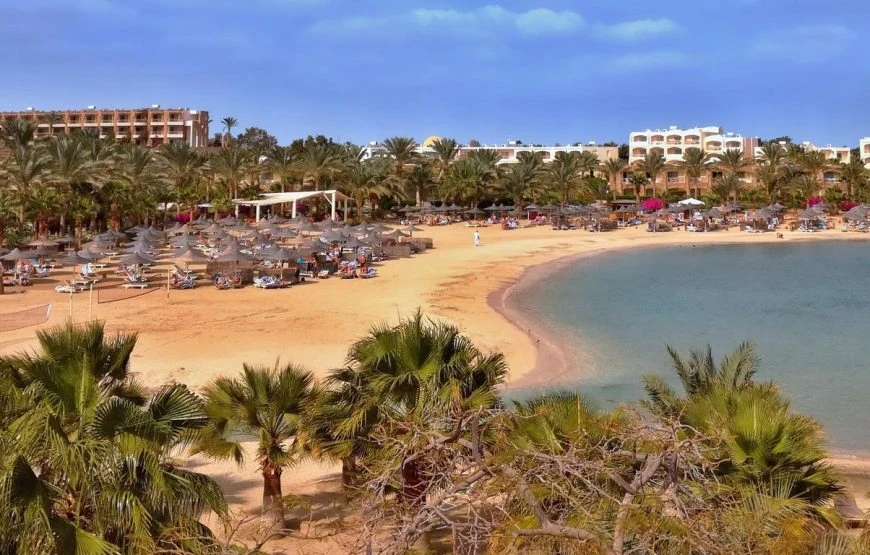
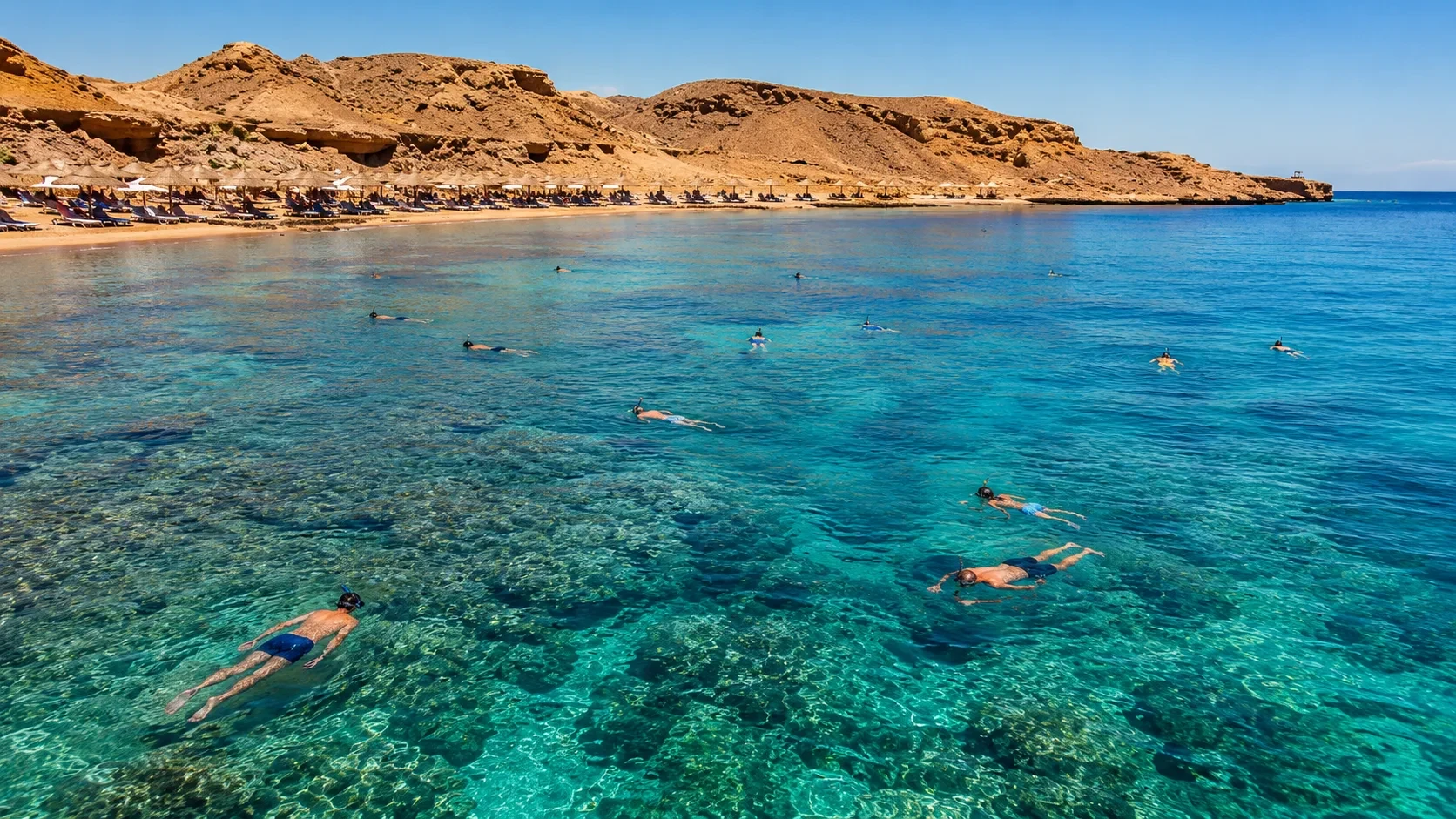
Abu Dabbab Bay is one of those rare places that delivers exactly what it promises — a chance to swim alongside gentle sea turtles, catch a glimpse of the elusive dugong, and explore vibrant coral reefs in crystal-clear water. It's a destination that appeals to families, couples, solo travelers, and serious marine enthusiasts alike. But the experience can vary dramatically depending on how you plan it.
The difference between a good day and an unforgettable day often comes down to timing — arriving early enough to beat the crowds and catch the dugongs feeding in the shallows — and having the right guidance to know exactly where to go and what to look for. That's where local expertise transforms a simple beach visit into a genuinely remarkable experience.
Tour Guides Egypt connects you with trusted local professionals who know Abu Dabbab Bay inside out. Our Local Tour Guides can help you choose between Abu Dabbab and other Marsa Alam attractions like Sharm El Luli, ensuring you get the most out of your Red Sea visit. Our Tour Representatives handle logistics — transfers, timing, and coordination — so you can focus on the turquoise water and the turtles gliding beneath the surface. And when you need to get between your hotel and the bay, our Private Drivers provide comfortable, reliable transportation.
For travelers who want to combine Abu Dabbab Bay with a broader Egyptian adventure, you can plan a tailor-made Egypt trip that combines the Red Sea with Cairo, Luxor, and the Nile.
Ready to explore the underwater wonders of Abu Dabbab Bay? Reach out to us on [WhatsApp] for instant support — our team is ready to answer your questions about Abu Dabbab Bay Marsa Alam Egypt, customize your itinerary, and turn your Red Sea dream into reality. The turtles are waiting — and we're here to help you find them.
Q: What is Abu Dabbab Bay?
A: Abu Dabbab Bay is a stunning U-shaped bay on Egypt's Red Sea coast, located approximately 30 kilometers north of Marsa Alam. It is famous for its crystal-clear waters, pristine beach, and extraordinary marine life — including green sea turtles and the elusive dugong (sea cow).
Q: Where is Abu Dabbab Bay Marsa Alam Egypt?
A: Abu Dabbab Bay Marsa Alam Egypt is located on the western coast of the Red Sea, approximately 30 kilometers north of Marsa Alam town.
Q: What marine life can I see at Abu Dabbab Bay?
A: Abu Dabbab is famous for its green sea turtles, dugongs (sea cows), guitar sharks, stingrays, moray eels, and colorful reef fish like clownfish and lionfish.
Q: How much does it cost to visit Abu Dabbab Bay?
A: The entrance fee for Abu Dabbab Bay is approximately $15–$20 per person. Tour prices start from around $58–$60 per person for a snorkeling day trip with transfers.
Q: What is the best time to visit Abu Dabbab Bay?
A: The best time to visit Abu Dabbab Bay is during the cooler months from October to April. For the best chance of spotting dugongs, visit in the early morning.
Q: Can I snorkel at Abu Dabbab Bay?
A: Yes — snorkeling is the most popular activity at Abu Dabbab Bay. The bay has shallow, calm water and excellent visibility, making it ideal for snorkelers of all skill levels.
Q: Do I need to book a tour to visit Abu Dabbab Bay?
A: Not necessarily — you can visit independently by paying the entrance fee. However, organized tours include hotel transfers, snorkeling equipment, and a guide, making them a convenient option for most visitors.
Q: Is Abu Dabbab Bay safe for children?
A: Yes — the bay has calm, shallow water and a wide sandy beach, making it ideal for families with children.
Q: Is Abu Dabbab Bay better than Sharm El Luli?
A: It depends on your preference. Abu Dabbab is better for marine life encounters (turtles and dugongs), while Sharm El Luli is better for a remote, pristine beach experience.
Q: What is the difference between Abu Dabbab and Elphinstone Reef?
A: Abu Dabbab Bay is a shallow, sheltered bay accessible from the beach, ideal for snorkeling and beginner diving. Elphinstone Reef is an offshore reef about 20 minutes by boat, famous for steep walls, pelagic fish, and advanced diving.
Q: How do I get to Abu Dabbab Bay from Marsa Alam?
A: The drive takes about 30–40 minutes. You can book an organized tour with transfers, hire a private driver, or rent a car.
Q: Is Abu Dabbab Bay safe for tourists?
A: Yes — Abu Dabbab Bay is a well-established tourist destination with a strong security presence. As with any travel destination, exercise standard precautions and follow the guidance of your guide or local authorities.

Learn how to hire the right Aswan Tour Guide. Compare prices, verify licenses, and book a private guide A ...

Luxor Egypt tour guides 2026 — English guides from $70/day, other languages from $100/day. How to choose ...

Pompey's Pillar Alexandria 2026 — history, ticket prices, opening hours, and visitor tips. Complete guide ...
Get Updates & More
@ Copy 2026 Tour Guides Egypt , All rights reserved