
Aswan Tour Guide Tips | How to Hire the Right Guide in Aswan in 2026
Learn how to hire the right Aswan Tour Guide. Compare prices, verify licenses, and book a private guide A ...
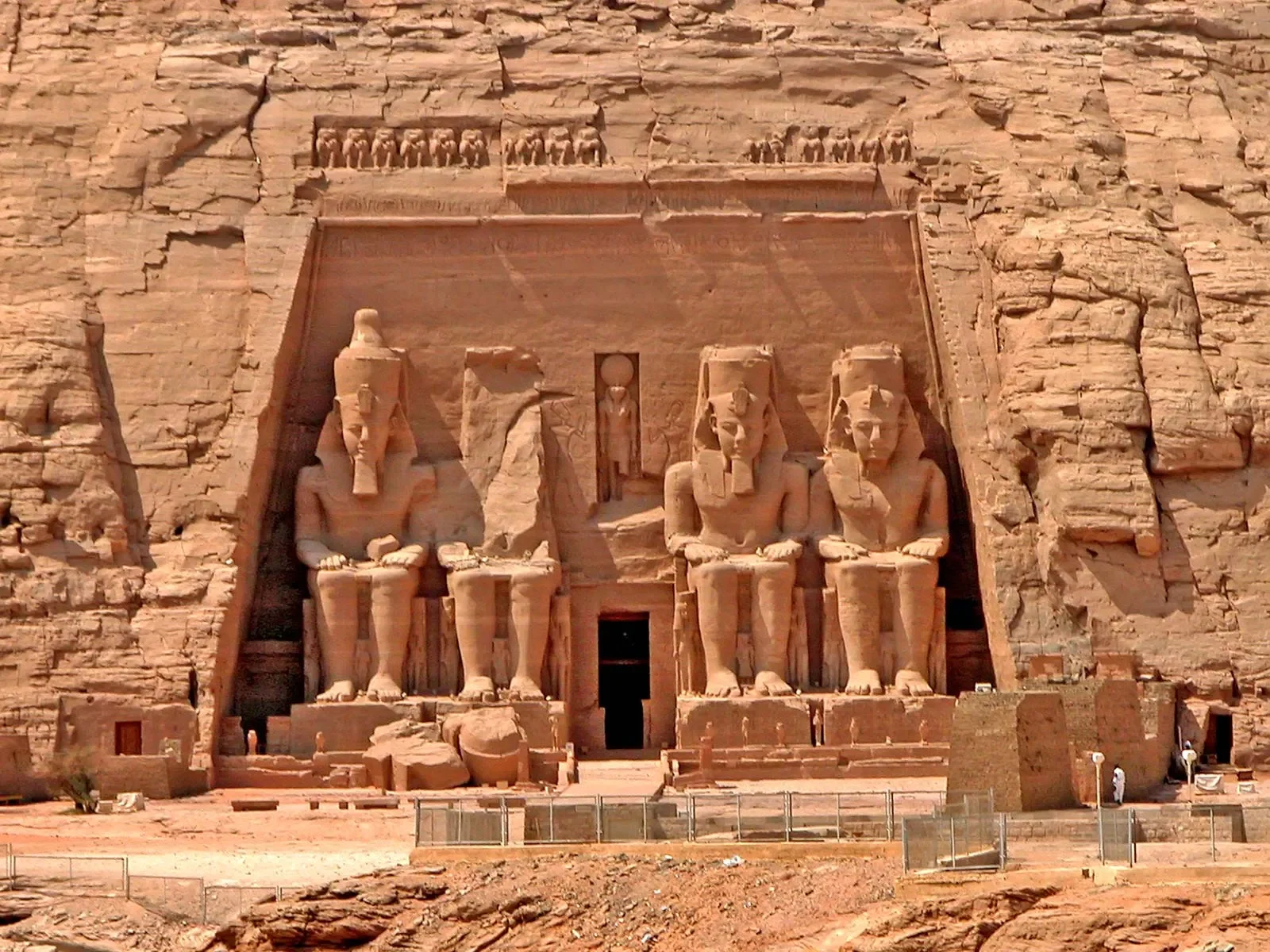
Planning a trip to Abu Simbel Egypt? This complete guide covers the history of the Abu Simbel temples, how to get there from Abu Simbel Aswan, ticket prices for 2026, the Sun Festival phenomenon, and insider tips for an unforgettable visit to this UNESCO World Heritage site.
Abu Simbel Egypt is home to one of the most spectacular ancient monuments in the world — two colossal rock-cut temples built by Pharaoh Ramses II in the 13th century BC. Located in the southernmost part of Egypt, approximately 280 kilometers south of Abu Simbel Aswan, on the western shore of Lake Nasser, these temples are over 3,300 years old. The site consists of the Great Temple dedicated to Ramses II and the Small Temple built for his beloved queen, Nefertari. Today, Abu Simbel is a UNESCO World Heritage site and one of Egypt's most visited attractions.
The temples were unknown to the outside world until their rediscovery in 1813 by Swiss researcher Johann Ludwig Burckhardt and first explored in 1817 by early Egyptologist Giovanni Battista Belzoni. What makes Abu Simbel Egypt even more remarkable is the massive relocation project undertaken in the 1960s to save the temples from being submerged due to the construction of the Aswan High Dam. UNESCO led the effort to cut the temples into 1,036 pieces and move them to higher ground — making Abu Simbel a symbol of world heritage preservation.
If you're planning to visit these incredible Abu Simbel temples, booking through Tour Guides Egypt ensures you have expert local guides who can bring the history of this site to life.
The Abu Simbel temples were carved out of a mountainside during the reign of Pharaoh Ramesses II in the 13th century BC. Their purpose was to impress Egypt's southern neighbors, reinforce the status of Egyptian religion in Nubia, and commemorate Ramses II's alleged victory at the Battle of Kadesh.
The construction of the Great and Small Temples at Abu Simbel began in the early years of Ramses II and was completed around the 25th year of his reign. The main temple was dedicated to the sun gods Amon-Re and Re-Horakhte.
In the 1960s, the Abu Simbel Egypt temples faced destruction from the rising waters of Lake Nasser caused by the Aswan High Dam. An international UNESCO campaign saved them by cutting the monuments into massive blocks, moving them 65 meters higher and 180 meters inland, and reassembling them on an artificial hilltop. This engineering feat, completed between 1964 and 1968, became the precedent for protecting cultural sites worldwide.
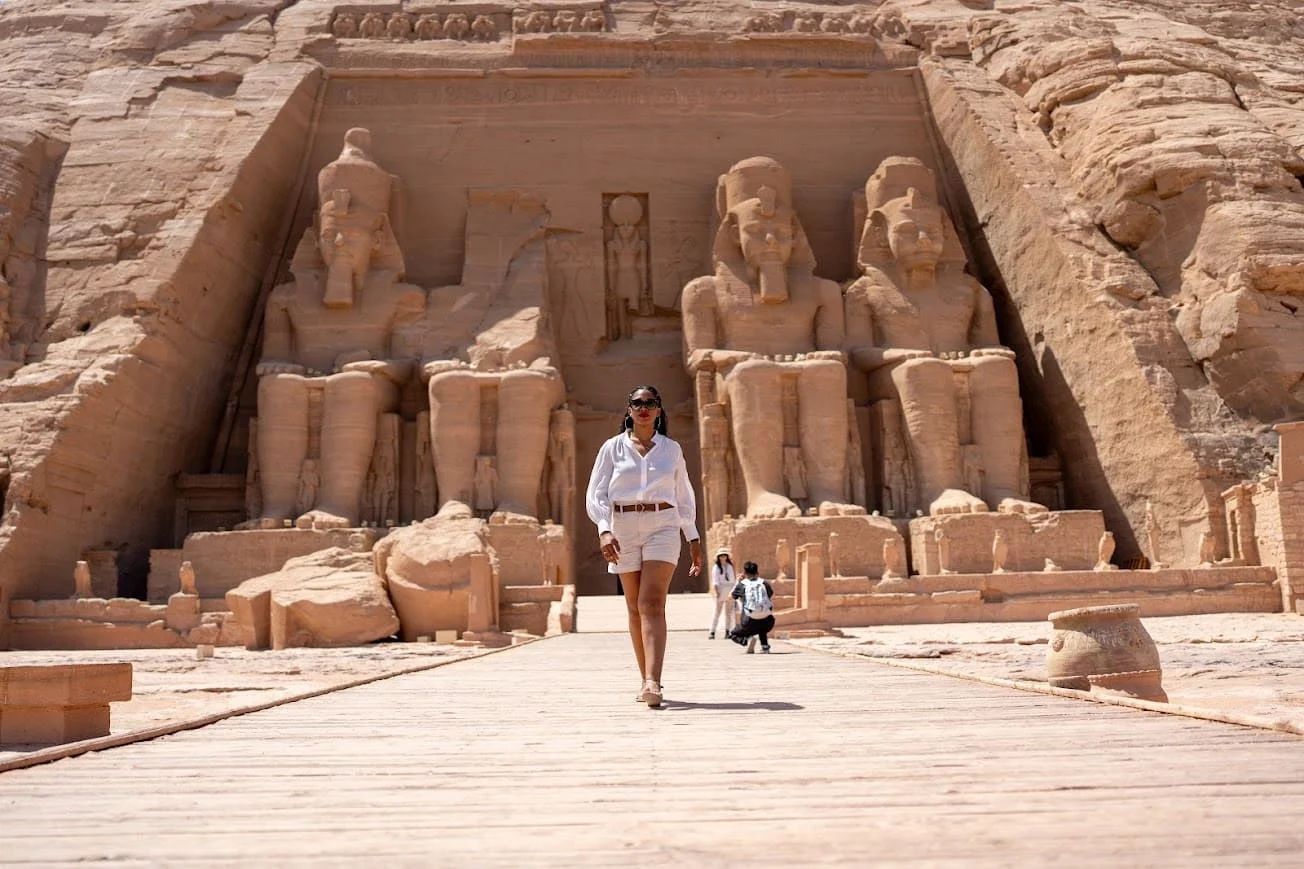
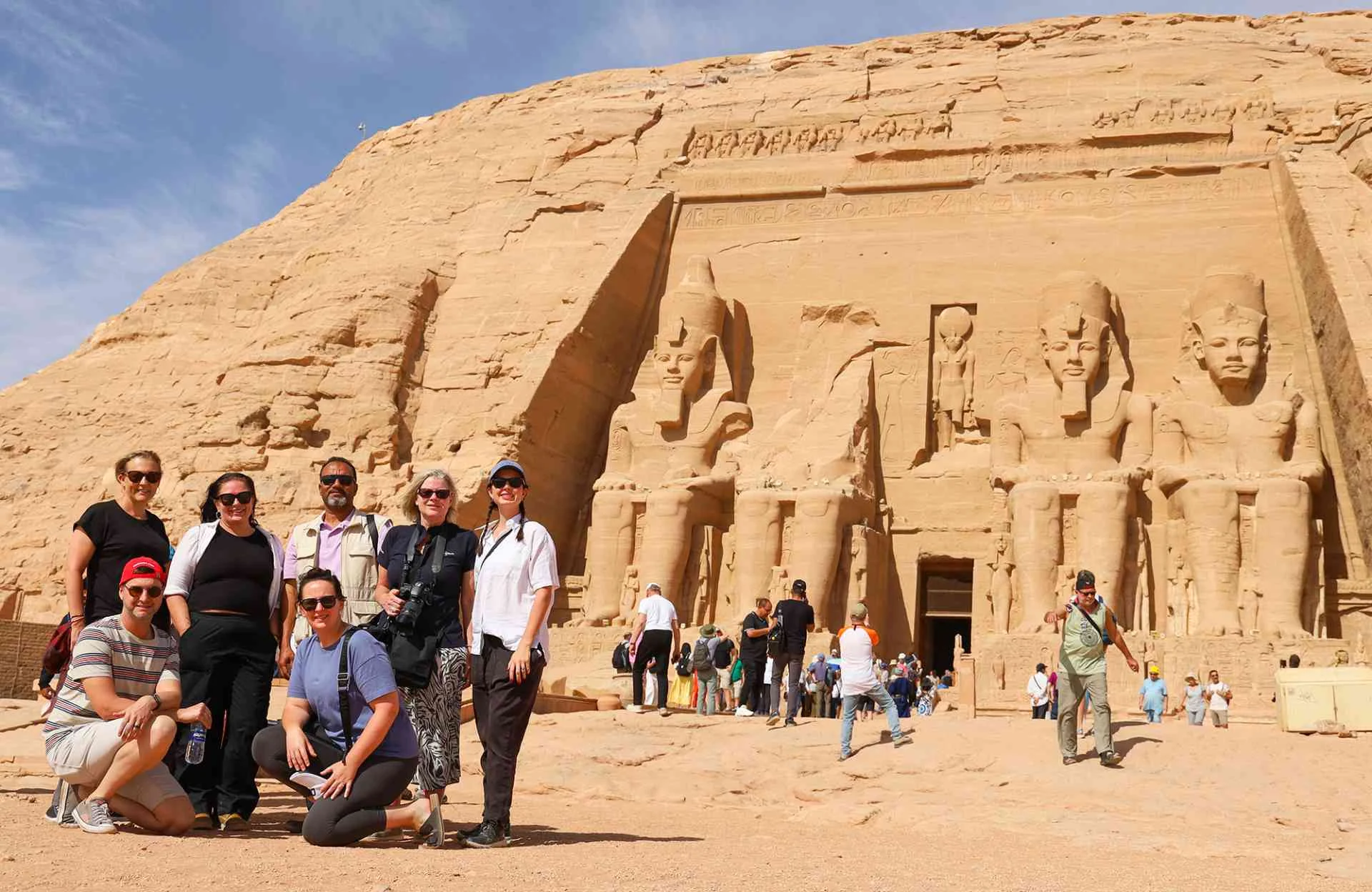
The Great Temple at Abu Simbel Egypt features four colossal seated statues of Ramses II at the entrance, each approximately 20 meters (66 feet) tall — about the height of a six-story building. These figures are set against the recessed face of the cliff, two on either side of the entrance. At the base of the colossal figures are smaller statues representing Ramses' children, his queen Nefertari, and his mother. Above the temple, 22 baboon statues face east to greet the sunrise — baboons symbolize Thoth, the god of wisdom.
Inside, the Abu Simbel temple consists of three consecutive halls extending 185 feet (56 meters) into the cliff, decorated with Osiride statues of the king and painted scenes of his purported victory at the Battle of Kadesh.
One of the colossi is broken — its head and torso lie at its own feet, toppled by an ancient earthquake. The Egyptians deliberately left the wreckage in place rather than restoring it.
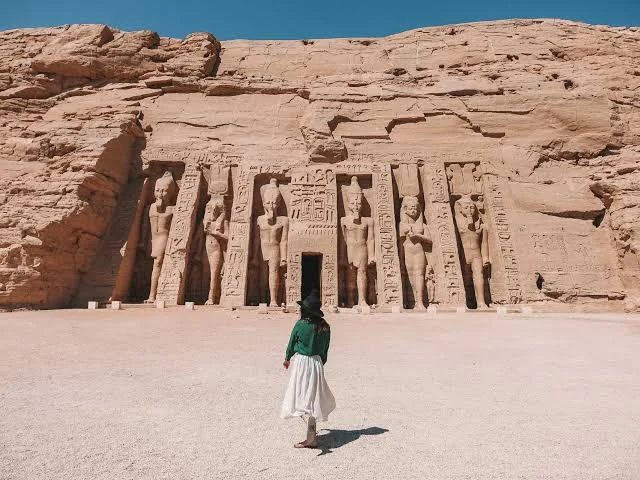
To the north of the main temple at Abu Simbel Egypt is the Small Temple, dedicated to Queen Nefertari for the worship of the goddess Hathor. Its facade features six standing statues (three on each side) — Ramses II and Queen Nefertari depicted at equal height, a rare occurrence in ancient Egyptian history highlighting the queen's special status. The temple is adorned with 35-foot (10.5-meter) statues of the king and queen. Inscriptions include phrases like "The sun rises for her," considered an ancient Egyptian declaration of love.
The journey from Abu Simbel Aswan to the temples is an adventure in itself. Here are your options:
By Air: You can fly from Aswan (about 45 minutes) or Cairo (around 1.5 hours) into Abu Simbel Airport, then take a short taxi ride to the Abu Simbel temples. Flights tend to book up quickly, so book early.
By Road: The overland route from Abu Simbel Aswan takes approximately 3 hours one way. Organized tours and buses run this route regularly. The drive crosses desert roads with a brief stop for coffee and bathroom breaks. A private car round-trip from Aswan costs about 3,000 Egyptian pounds (can be shared with others).
By Lake Nasser Cruise: Some Lake Nasser cruise boats also stop at Abu Simbel Egypt.
For a hassle-free experience, Tour Guides Egypt can arrange comfortable private transport with experienced Private Drivers who know the route well.
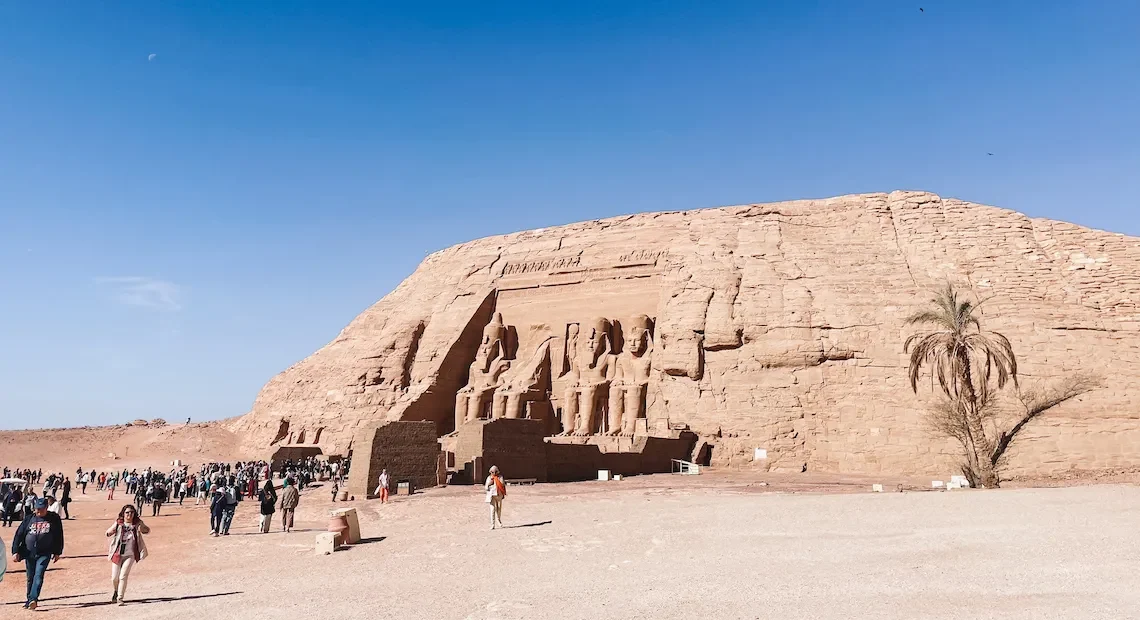
As of 2026, the official foreign adult entry fee for the Abu Simbel Egypt temples is EGP 822 (approximately $20 USD), making it the highest single-ticket line item in most Aswan itineraries.
| Ticket Type | Price (EGP) |
| Foreign Adult | 822 |
| Student | 411 (approx.) |
| Photography Permit | ~300 extra |
| Sun Festival Day | ~380 (slightly higher) |
Opening Hours: Daily from 6:00 AM to 5:00 PM, with last ticketed entry at 4:00 PM. During Ramadan, doors open at 7:00 AM and last entry moves earlier.
Prices are subject to change — verify current rates before your visit.
The best time to visit Abu Simbel Egypt is between October and April when temperatures are cooler. Summer temperatures can easily exceed 40°C (104°F) and can even reach 50°C.
Within any day, the best time to visit Abu Simbel is early morning around 6:00 AM when the gates open. Benefits include:
Alternatively, late afternoon offers warm golden light that softens the stonework. Give yourself 2–3 hours to explore the Abu Simbel site thoroughly.
Tour Guides Egypt offers early-morning departures from Abu Simbel Aswan to ensure you arrive at the optimal time.
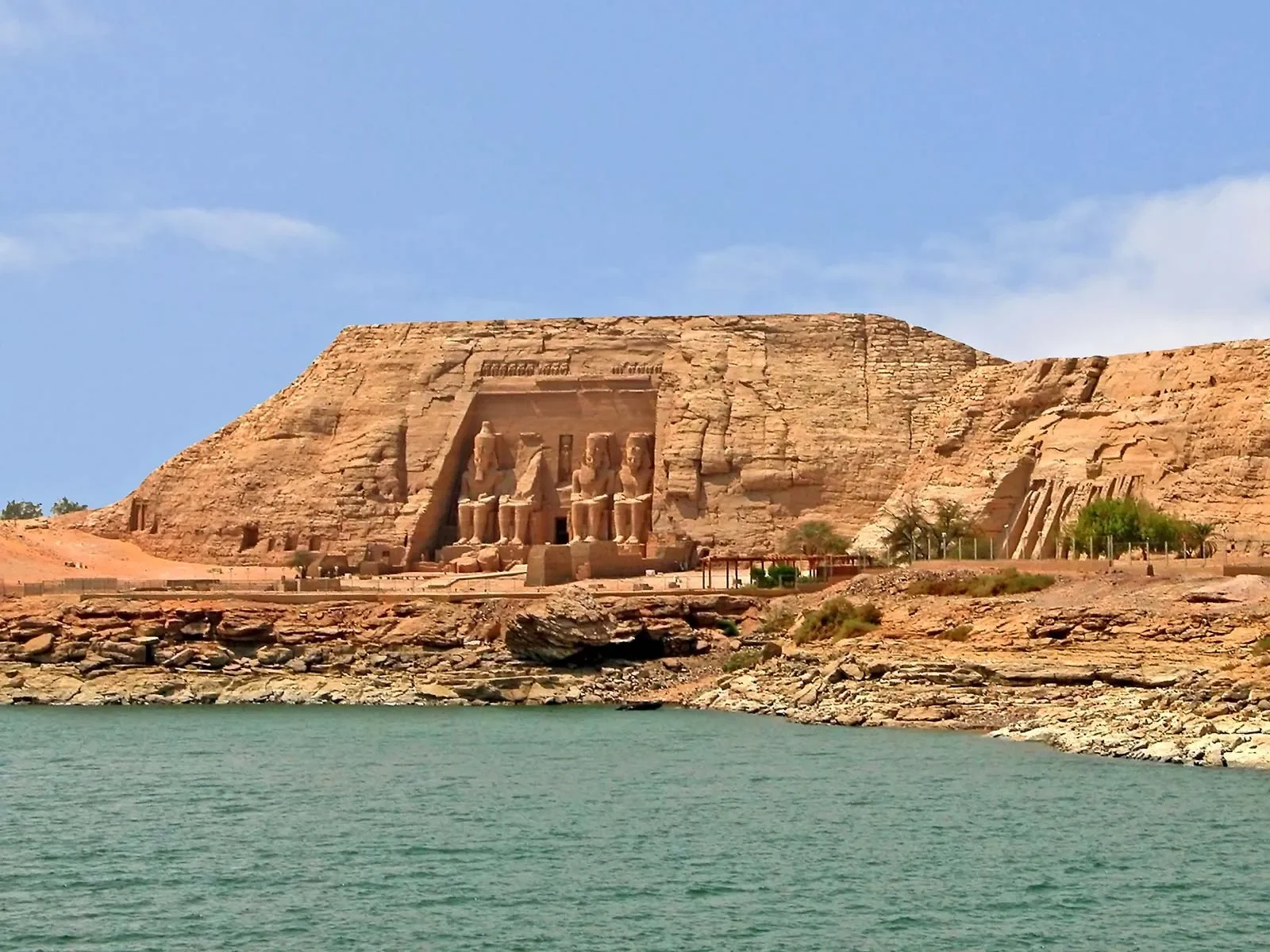
One of the most awe-inspiring aspects of Abu Simbel Egypt is the Sun Festival phenomenon. Twice a year, around February 22 and October 22, the first rays of the morning sun penetrate the entire 60-meter length of the Abu Simbel temple and illuminate the shrine in the innermost sanctuary. The light reaches three of the four gods seated there — the fourth, Ptah, god of the underworld, stays in shadow. Thousands gather before dawn for this moment.
On these dates, ticket prices for Abu Simbel Egypt are slightly higher, around 380 EGP. If you want to witness this phenomenon, book well in advance.
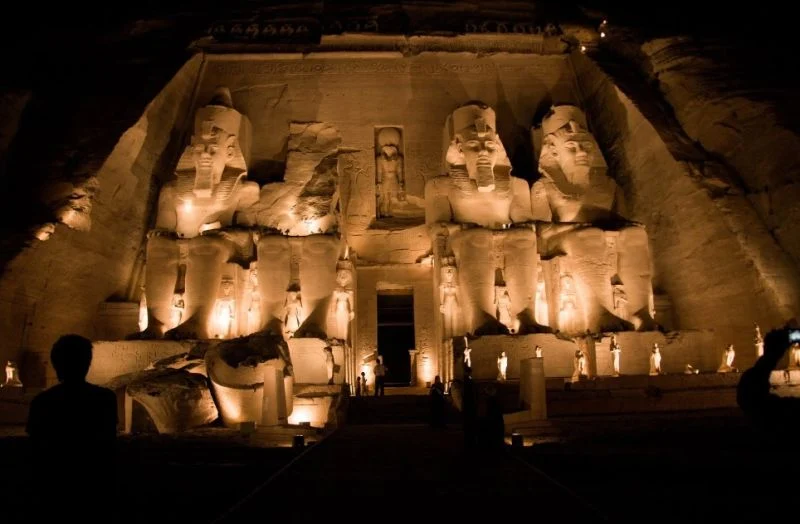
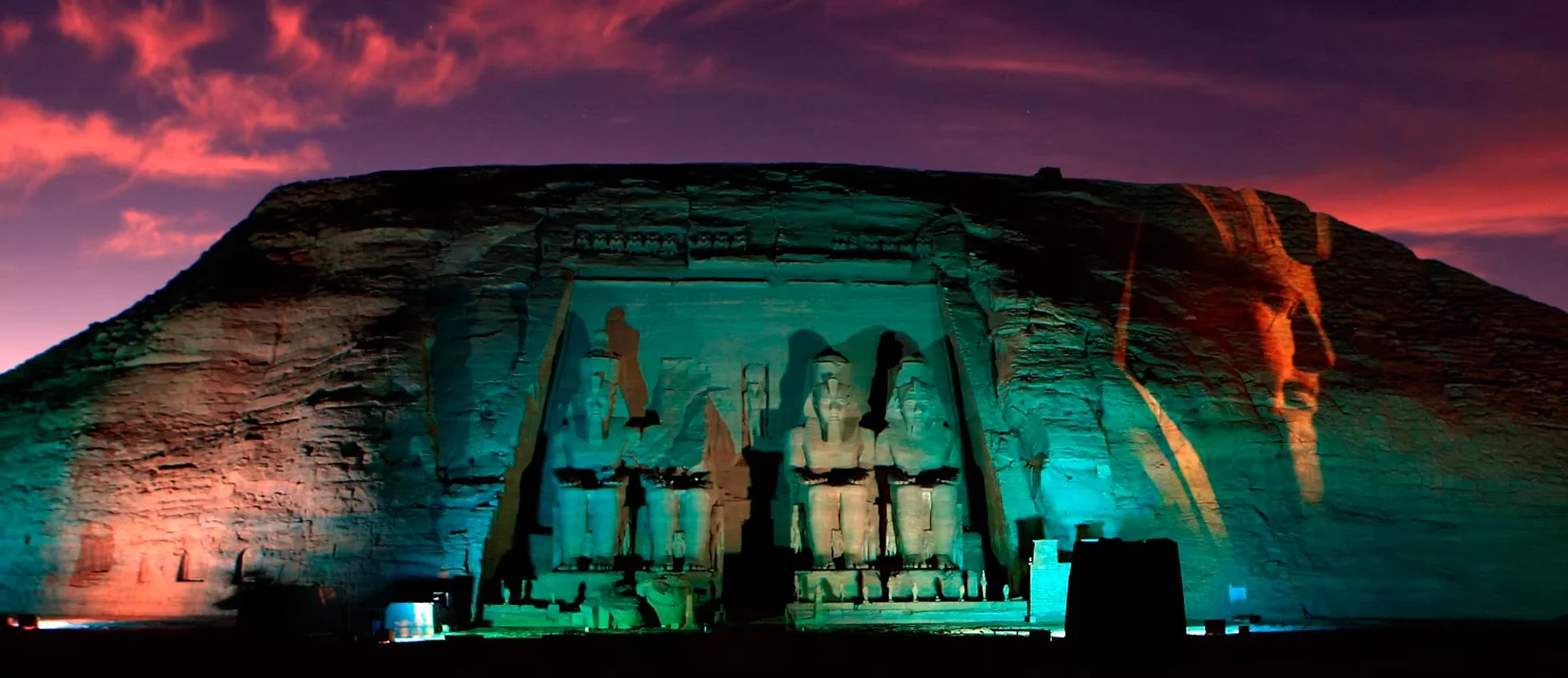
The Sound and Light Show at Abu Simbel is a mesmerizing evening experience that brings the history of the Abu Simbel temples to life. The ancient temples are illuminated in a spectacular display of sound and color, with narration available in multiple languages through multilingual guide headphones.
The show typically lasts about 2 hours and offers a completely different perspective from the daytime visit. It's an unforgettable evening event that leaves visitors with a deeper appreciation for Abu Simbel Egypt and its rich heritage.
For a guided experience, Tour Guides Egypt can connect you with expert Local Tour Guides who specialize in the history of the Abu Simbel temples. Our Tour Representatives can also assist with airport transfers and hotel coordination.
Contact us via [WhatsApp] for instant support — our team is ready to help you plan your Abu Simbel Egypt visit.
Q: Where is Abu Simbel Egypt located?
A: Abu Simbel Egypt is located in the southernmost part of Egypt, approximately 280 kilometers south of Abu Simbel Aswan, on the western shore of Lake Nasser.
Q: Who built the Abu Simbel temples?
A: The Abu Simbel temples were built by Pharaoh Ramses II in the 13th century BC.
Q: How do I get to Abu Simbel from Aswan?
A: You can fly (45 minutes) or drive (approximately 3 hours) from Abu Simbel Aswan to Abu Simbel.
Q: How much are Abu Simbel Egypt tickets?
A: The official foreign adult entry fee for Abu Simbel Egypt is EGP 822 (about $20 USD) as of 2026.
Q: What is the best time to visit Abu Simbel?
A: The best time to visit Abu Simbel Egypt is between October and April. Visit early morning at 6:00 AM for cooler temperatures and fewer crowds.
Q: What is the Sun Festival at Abu Simbel?
A: Twice a year, on February 22 and October 22, the sun illuminates the inner sanctuary of the Great Temple at Abu Simbel. Thousands gather before dawn for this event.
Q: Is there a Sound and Light Show at Abu Simbel?
A: Yes. The Sound and Light Show at Abu Simbel is an evening experience that illuminates the temples with colorful lights and narrated history.
Q: How long should I spend at Abu Simbel?
A: Plan for 2–3 hours at the Abu Simbel site itself. A full-day tour from Aswan lasts approximately 9–10 hours including travel.
Q: Can I take photos inside the Abu Simbel temples?
A: Yes, photography is allowed inside, but flash is strictly prohibited to protect the wall paintings. A photography permit costs approximately 300 EGP extra.
Q: Why were the Abu Simbel temples moved?
A: The Abu Simbel Egypt temples were moved in the 1960s to save them from being submerged by Lake Nasser, created by the Aswan High Dam.
Q: Is Abu Simbel worth the long journey?
A: Absolutely. Abu Simbel is "a place where the long journey is absolutely worth it, encapsulating ancient Egyptian architecture, faith, and love".
Q: Can I book a tour to Abu Simbel?
A: Yes. Tour Guides Egypt offers expertly curated tours to Abu Simbel Egypt with licensed guides, comfortable transport, and flexible itineraries.
Abu Simbel Egypt is one of the most extraordinary ancient sites on Earth — a testament to the power, ambition, and engineering genius of Ramses II and the international cooperation that saved it for future generations. Whether you're witnessing the Sun Festival phenomenon, exploring the colossal statues, or experiencing the Sound and Light Show, Abu Simbel delivers an unforgettable journey into ancient Egypt.
Tour Guides Egypt connects you with trusted local professionals who can help you plan the perfect visit to the Abu Simbel temples. Our network includes:
Whether you're visiting for the day or staying overnight to experience the Sound and Light Show, we handle the logistics so you can focus on the experience. For travelers who want to combine Abu Simbel with other highlights, you can plan a tailor-made Egypt trip that includes Aswan, Luxor, Cairo, and the Red Sea.
Contact us via [WhatsApp] for instant support — our team is ready to answer your questions about Abu Simbel Egypt tickets, transport, guided tours, and more. Let's start planning your Egyptian adventure today!

Learn how to hire the right Aswan Tour Guide. Compare prices, verify licenses, and book a private guide A ...

Luxor Egypt tour guides 2026 — English guides from $70/day, other languages from $100/day. How to choose ...

Pompey's Pillar Alexandria 2026 — history, ticket prices, opening hours, and visitor tips. Complete guide ...
Get Updates & More
@ Copy 2026 Tour Guides Egypt , All rights reserved