
Aswan Tour Guide Tips | How to Hire the Right Guide in Aswan in 2026
Learn how to hire the right Aswan Tour Guide. Compare prices, verify licenses, and book a private guide A ...
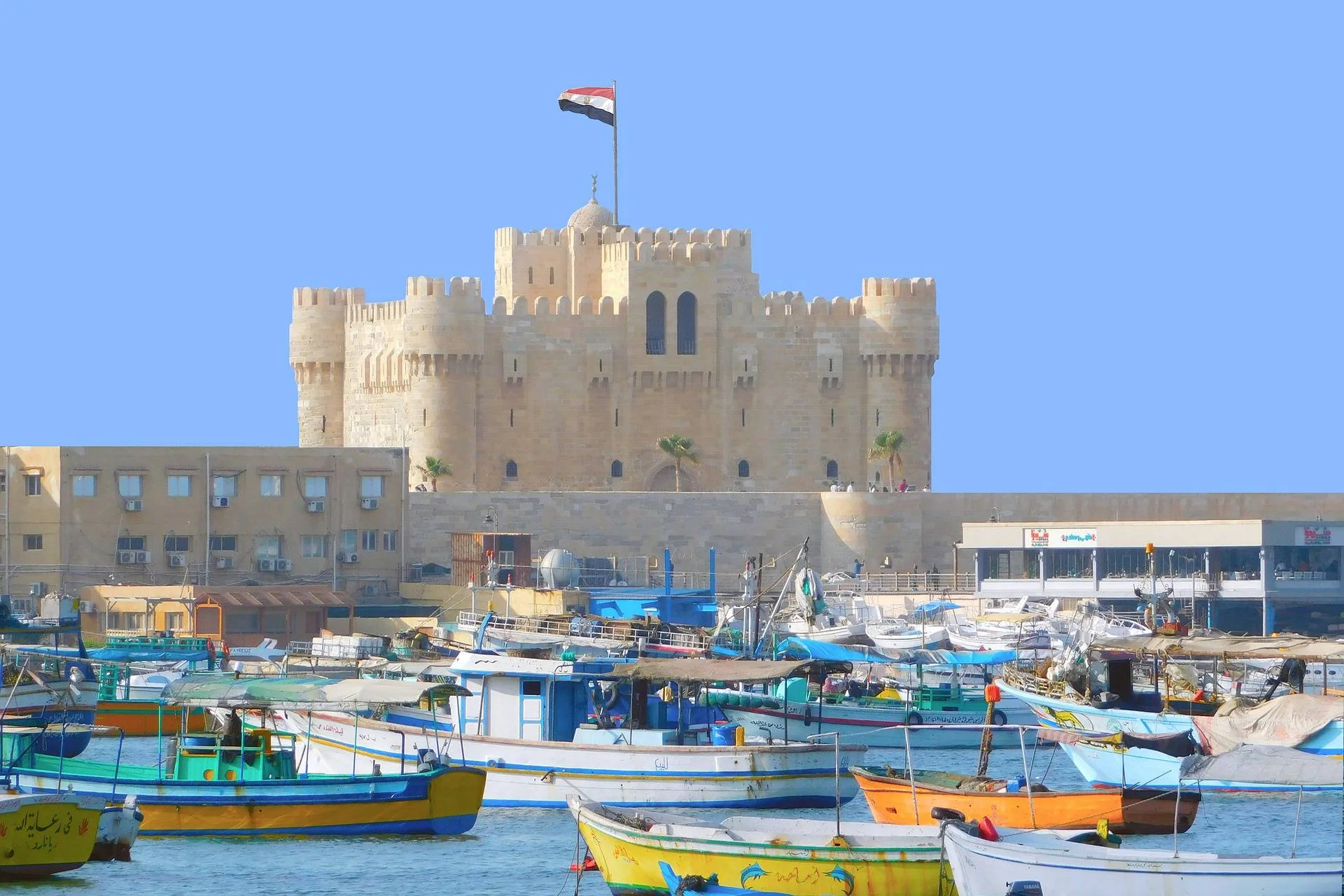
Standing where the Pharos Lighthouse once guided ancient ships, the Citadel of Qaitbay is Alexandria's most iconic landmark. This complete guide covers the Fort of Qaitbay's fascinating history, practical visitor information, and insider tips for exploring the Qaitbay Castle that has guarded Egypt's Mediterranean coast for over 500 years.
The Citadel of Qaitbay (also known as the Fort of Qaitbay or Qaitbay Castle; Arabic: قلعة قايتباي) is a 15th-century defensive fortress located on the Mediterranean Sea coast, on Pharos Island in Alexandria, Egypt. This imposing Qaitbay Castle stands at the entrance of Alexandria's Eastern Harbour, serving as one of Egypt's most iconic landmarks and a testament to Mamluk military architecture.
Built between 1477 and 1479 AD (882–884 AH) by Sultan Al-Ashraf Sayf al-Din Qaitbay, the Citadel of Qaitbay was constructed on the exact site of the legendary Lighthouse of Alexandria — one of the Seven Wonders of the Ancient World. The fortress was designed to protect Alexandria from naval attacks, particularly from the growing Ottoman maritime power that threatened Egypt's Mediterranean coast.
Today, the Fort of Qaitbay is one of Alexandria's most visited attractions, drawing travelers from around the world who come to explore its historic chambers, enjoy panoramic sea views, and walk in the footsteps of ancient history. Whether you're a history enthusiast, a photographer, or simply seeking stunning Mediterranean vistas, the Qaitbay Castle offers an unforgettable experience that connects two remarkable periods of human achievement across more than a thousand years.
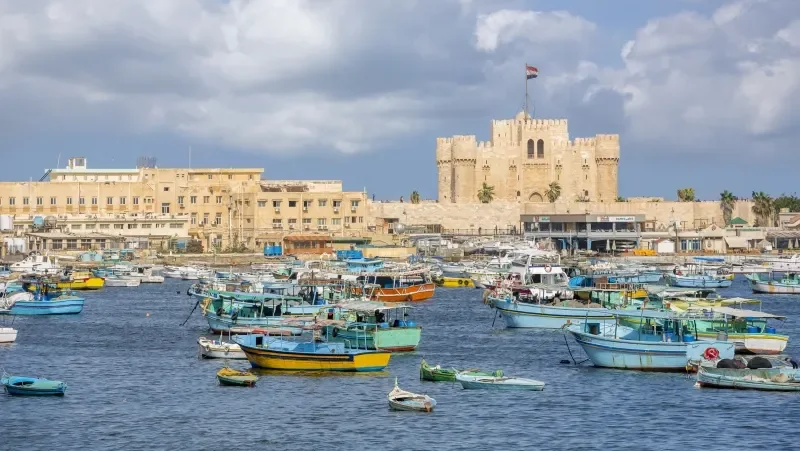
Long before the Citadel of Qaitbay stood guard over Alexandria's harbor, the site was home to one of the most famous structures in human history — the Lighthouse of Alexandria (also known as the Pharos Lighthouse). Built around 279 BC during the reign of Ptolemy II Philadelphus, this towering structure was one of the Seven Wonders of the Ancient World.
For over 1,600 years, the Pharos Lighthouse guided ships safely into Alexandria's busy harbor. Standing approximately 100 to 130 meters tall, it was one of the tallest man-made structures of the ancient world. The lighthouse continued to function through the Roman, Byzantine, and early Islamic periods, surviving numerous earthquakes and partial collapses.
On August 8, 1303 AD, a devastating earthquake struck the eastern Mediterranean, causing catastrophic damage to the already-weakened Lighthouse of Alexandria. The structure, which had stood for 17 centuries, collapsed into ruins.
The lighthouse was partially restored after the earthquake, but a second destructive earthquake in the 14th century completely destroyed the remaining structure. For more than 100 years, the ruins of the once-great wonder lay scattered along the Alexandria coastline.
In 1477 AD, Sultan Al-Ashraf Sayf al-Din Qaitbay visited Alexandria to survey the city's walls, towers, and fortifications. Recognizing the vulnerability of Egypt's most important Mediterranean port, he ordered the construction of a fortress to protect the city from naval attacks — particularly from the growing Ottoman threat.
The Fort of Qaitbay was built between 1477 and 1479 AD, with construction taking approximately two years. Remarkably, Sultan Qaitbay's architects incorporated stones from the fallen Pharos Lighthouse into the new fortress — a decision that created a tangible connection between the ancient wonder and the Islamic defensive masterpiece. Walking through the Citadel of Qaitbay today, visitors can still spot granite columns from the Pharos Lighthouse embedded in the fortress walls.
The fortress was designed by Qagmas Al-Eshaqy, the Edifices Mason (Shady Al-Ama'er), who was one of Sultan Qaitbay's most trusted architects. The sultan himself was known for his love of art and architecture, commissioning over 70 buildings throughout Egypt, including mosques, madrasas, and military fortifications.
The Qaitbay Castle suffered significant damage during the British bombardment of Alexandria in 1882, part of the events surrounding the Orabi Revolt. The western façade was completely destroyed, and the fortress was neglected for some time afterwards.
Extensive restoration efforts began in the 20th century under the Egyptian Supreme Council of Antiquities, with major work carried out in 1984. Today, the Citadel of Qaitbay stands beautifully restored, its limestone walls rising 17 meters (56 feet) above sea level, offering visitors a glimpse into both Mamluk military architecture and the ancient world that came before it.
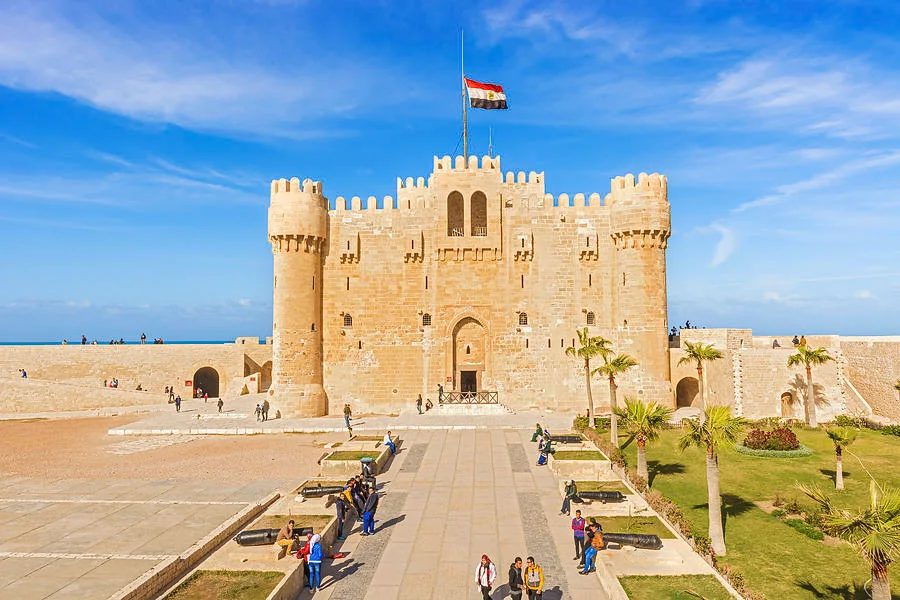
The Fort of Qaitbay is a superb example of Mamluk military architecture, showcasing sophisticated 15th-century defensive engineering. The fortress covers an area of approximately 17,550 square meters (150 meters by 130 meters) and is surrounded by the sea on three sides.
The Citadel of Qaitbay features a double-wall defensive system:
The fortress centers around its imposing main tower, located in the northwestern section of the courtyard. This square structure measures approximately 30 meters (98 feet) on each side and rises 17 meters (56 feet) high. The tower's four corners are occupied by half-circular towers that carry protruding balconies with slits for shooting arrows.
The main entrance features an arched opening decorated with the blazon of Sultan Qaitbay. Inside, the tower consists of three stories, each serving different defensive and administrative purposes. A small mosque occupies more than half of the citadel's interior space.
What makes the Qaitbay Castle truly unique is the reuse of ancient materials. When Sultan Qaitbay's architects constructed the fortress, they incorporated massive limestone blocks and granite columns from the fallen Pharos Lighthouse. These repurposed materials can still be seen embedded in the fortress walls today — a remarkable connection between two eras of human achievement.
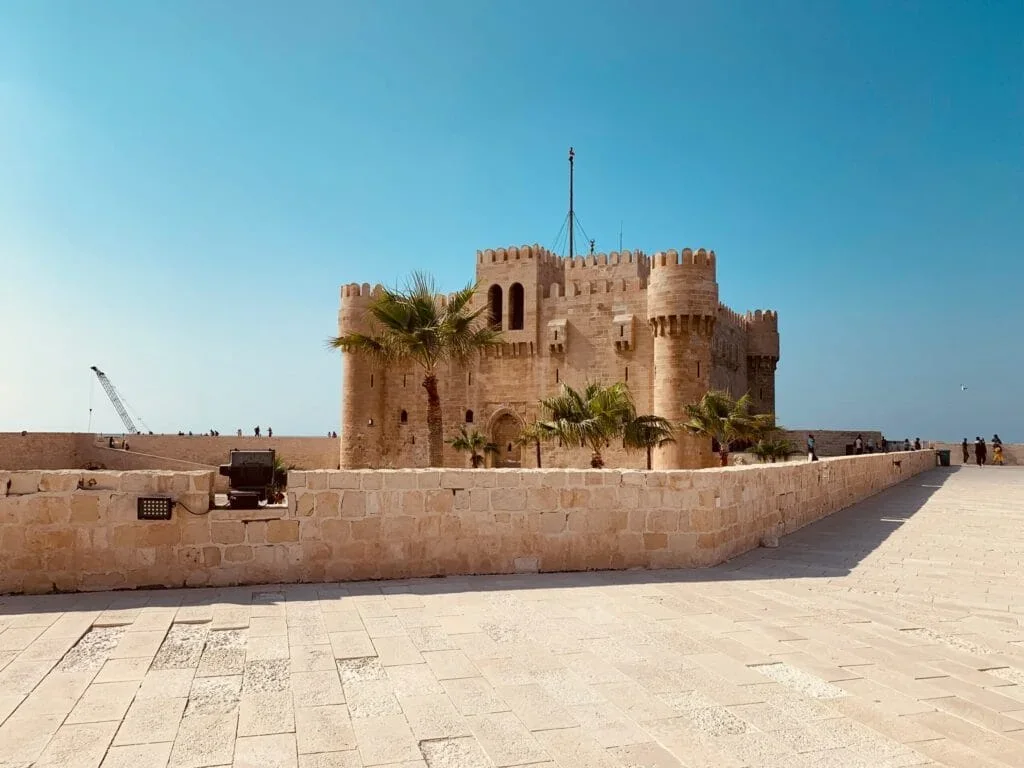
The main tower of the Citadel of Qaitbay is the fortress's most impressive feature. This three-story structure offers visitors a fascinating glimpse into Mamluk military engineering, with its thick walls, defensive positions, and strategic design. The central courtyard, surprisingly peaceful given the fortress's military purpose, served multiple functions during active periods: troop assembly, equipment storage, and religious observances.
Inside the Fort of Qaitbay, visitors will find a small maritime museum with displays on Alexandria's naval history. The museum features artifacts recovered from the surrounding waters, including items from ships that once sailed into Alexandria's ancient harbor.
The Qaitbay Castle contains a small mosque that occupies more than half of the citadel's interior. Visitors can also explore the fortress's storage chambers, defensive positions, and the rooms that once served as soldiers' barracks.
One of the highlights of any visit to the Citadel of Qaitbay is the panoramic view from the rooftop terrace. From this vantage point, visitors can enjoy breathtaking views of the Mediterranean Sea, Alexandria's Eastern Harbour, and the city's coastline. The sunset views from the terrace are especially spectacular.
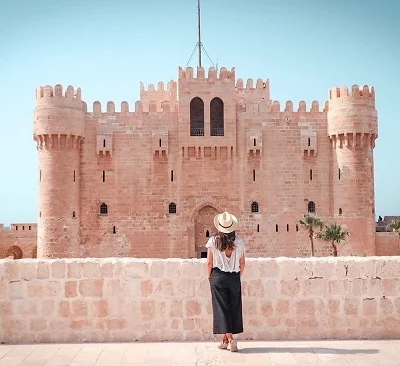
The Citadel of Qaitbay is located at the entrance of Alexandria's Eastern Harbour on the eastern point of Pharos Island. The address is:
Address: El-Gaish Rd, Qesm Al Gomrok, Alexandria Governorate, Egypt
Getting there:
The Fort of Qaitbay is open daily:
It's recommended to check current hours before your visit, as they may change during holidays or special events.
Entry fees for the Qaitbay Castle (as of 2026):
| Visitor Type | Price |
| Adult (foreign) | 80–200 EGP (~$4–$10 USD) |
| Student | 100 EGP (with valid student ID) |
Prices may vary depending on the ticket office and any ongoing promotions.
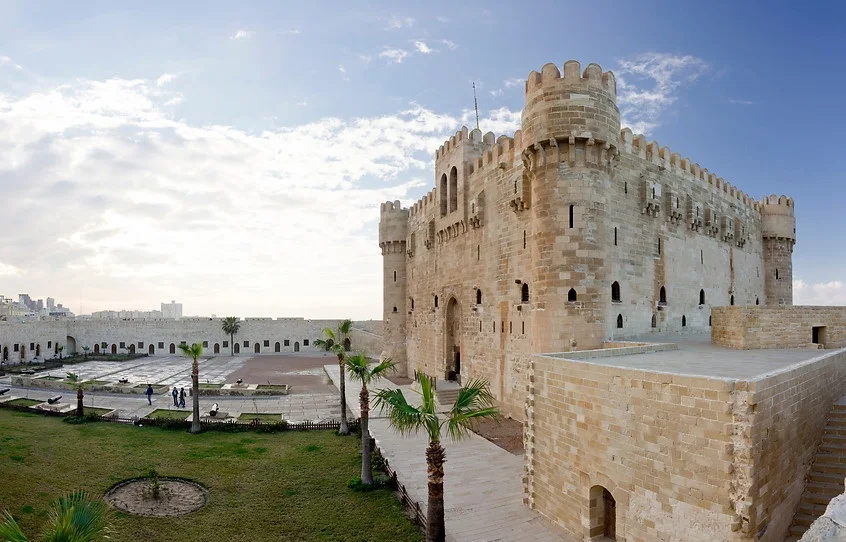
The best time to visit the Citadel of Qaitbay is during the morning hours (9:00 AM – 11:00 AM) or late afternoon (4:00 PM – closing) . These times offer the most comfortable temperatures and the best lighting for photography.
Sunset visits are particularly magical, as the golden light bathes the fortress walls and the Mediterranean Sea in warm colors. The rooftop terrace offers one of the best sunset viewpoints in all of Alexandria.
Avoid weekends and public holidays if you prefer fewer crowds, as the Fort of Qaitbay is a popular destination for both tourists and locals.
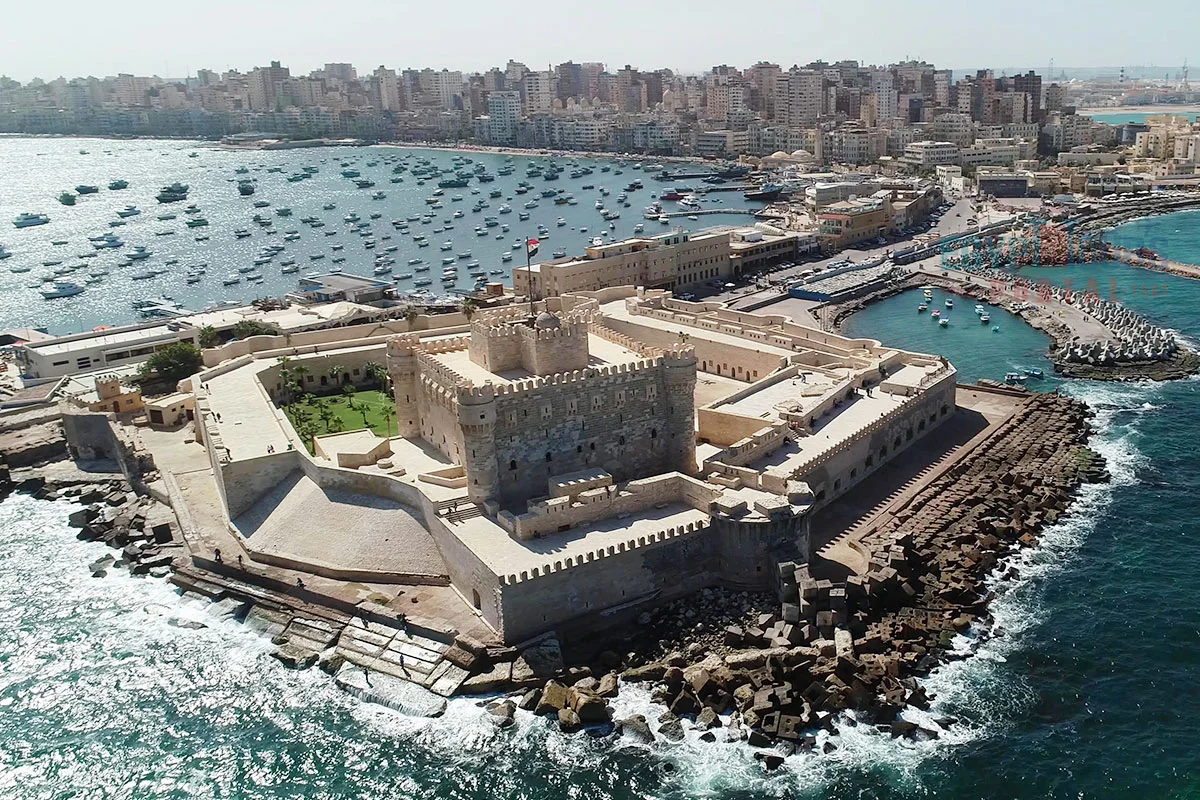
The Citadel of Qaitbay stands as one of Egypt's most remarkable landmarks — a 15th-century fortress built on the ruins of an ancient wonder, where history is written in every stone. From the granite columns of the Pharos Lighthouse embedded in its walls to the panoramic views of the Mediterranean from its rooftop terrace, the Fort of Qaitbay offers an unforgettable journey through 2,000 years of history.
Tour Guides Egypt connects you with trusted local professionals who can help you discover the best of Alexandria — including the Qaitbay Castle, the Bibliotheca Alexandrina, the Catacombs of Kom El Shoqafa, and Pompey's Pillar. Our network includes:
For a fully customized experience, you can also plan a tailor-made Egypt trip that combines Alexandria with Cairo, Luxor, and Aswan — the perfect blend of Mediterranean charm and ancient wonders.
Contact us via [WhatsApp] for instant support — our team is ready to answer your questions about the Citadel of Qaitbay, tour packages, and more. Let's start planning your Alexandria adventure today!
Q: What is the Citadel of Qaitbay?
A: The Citadel of Qaitbay (also known as the Fort of Qaitbay or Qaitbay Castle) is a 15th-century defensive fortress located in Alexandria, Egypt, built on the site of the ancient Lighthouse of Alexandria, one of the Seven Wonders of the Ancient World.
Q: When was the Citadel of Qaitbay built?
A: The Fort of Qaitbay was built between 1477 and 1479 AD (882–884 AH) by Sultan Al-Ashraf Sayf al-Din Qaitbay.
Q: Why was the Qaitbay Castle built?
A: The Qaitbay Castle was built to protect Alexandria from naval attacks, particularly from the growing Ottoman maritime power that threatened Egypt's Mediterranean coast.
Q: Where is the Citadel of Qaitbay located?
A: The Citadel of Qaitbay is located on Pharos Island at the entrance of Alexandria's Eastern Harbour, on the Mediterranean coast.
Q: How much does it cost to visit the Citadel of Qaitbay?
A: Entry to the Fort of Qaitbay costs approximately 80–200 EGP ($4–$10 USD) for foreign adults, with discounted rates for students.
Q: What are the Citadel of Qaitbay opening hours?
A: The Qaitbay Castle is typically open from 8:00 AM to 5:00 PM daily, though some sources report extended hours until 8:00 PM.
Q: What can I see inside the Citadel of Qaitbay?
A: Inside the Citadel of Qaitbay, you can explore the main tower, central courtyard, a maritime museum, a small mosque, historic chambers, and enjoy panoramic views from the rooftop terrace.
Q: Is the Citadel of Qaitbay wheelchair accessible?
A: The exterior of the Fort of Qaitbay is accessible by wheelchair, but there are stairs to the main gate and within the structure.
Q: How do I get to the Citadel of Qaitbay?
A: You can reach the Qaitbay Castle by taxi, yellow tram line 25, microbus, or on foot along the Corniche from central Alexandria.
Q: What is the connection between the Citadel of Qaitbay and the Pharos Lighthouse?
A: The Citadel of Qaitbay was built on the exact site of the ancient Lighthouse of Alexandria, and stones from the fallen lighthouse were incorporated into the fortress walls.
Q: Was the Citadel of Qaitbay damaged during the 1882 bombardment?
A: Yes. The Fort of Qaitbay was severely damaged during the British bombardment of Alexandria in 1882, with its western façade completely destroyed.
Q: Is the Citadel of Qaitbay worth visiting?
A: Absolutely. The Citadel of Qaitbay is one of Alexandria's most iconic landmarks, offering a remarkable blend of history, architecture, and stunning Mediterranean views.

Learn how to hire the right Aswan Tour Guide. Compare prices, verify licenses, and book a private guide A ...

Luxor Egypt tour guides 2026 — English guides from $70/day, other languages from $100/day. How to choose ...

Pompey's Pillar Alexandria 2026 — history, ticket prices, opening hours, and visitor tips. Complete guide ...
Get Updates & More
@ Copy 2026 Tour Guides Egypt , All rights reserved