
Hurghada Tour Guide | 7 Checks Before You Book (From $70/Day)
Hire a Hurghada tour guide from $70/day. A private guide in Hurghada for city tours, Luxor, Cairo and des ...
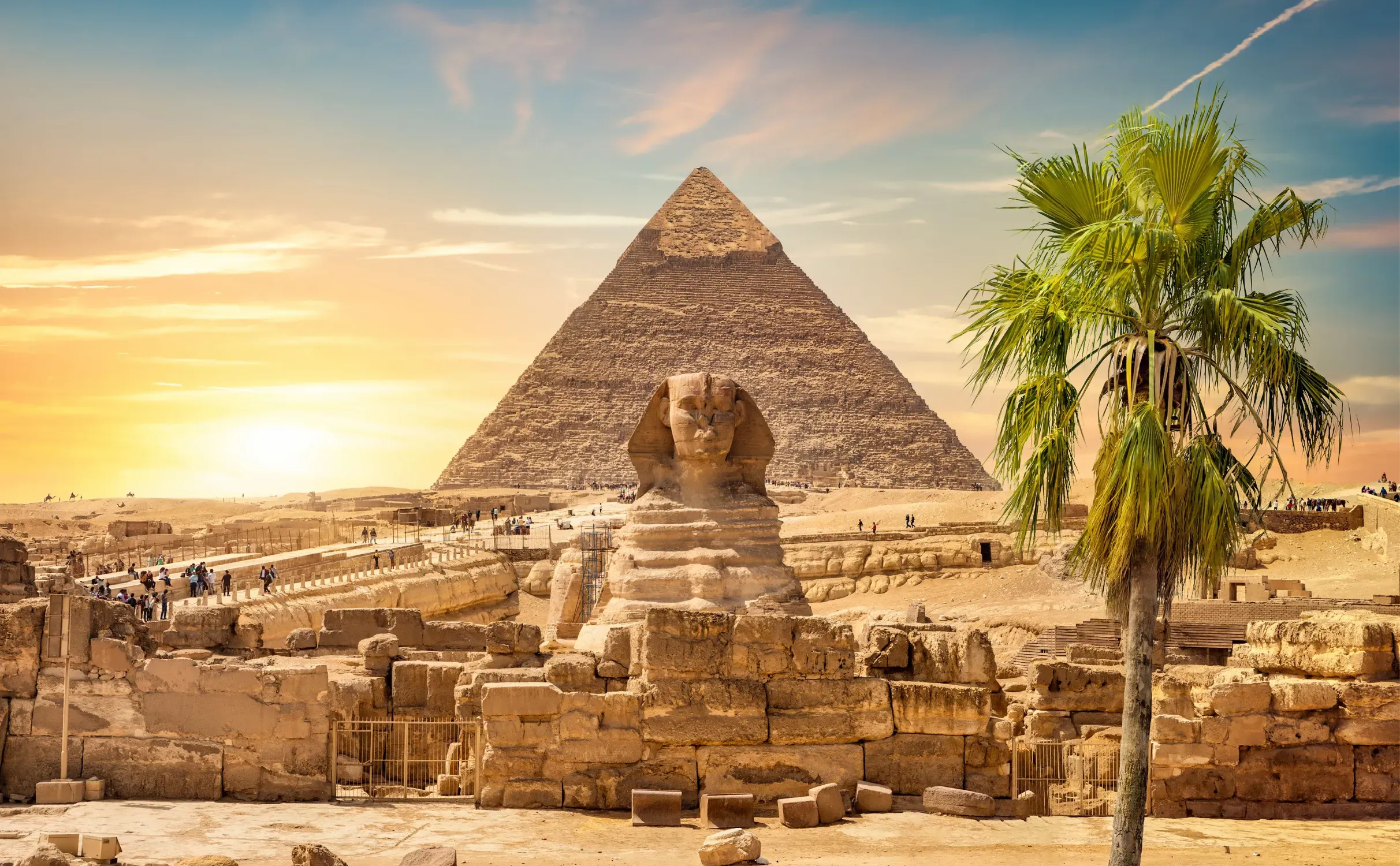
An expert travel guide to the Pyramids of Giza, helping international tourists plan their ultimate journey to explore the historic Pyramids of Egypt safely and efficiently.
Of the Seven Wonders of the Ancient World, only one remains standing today: the Pyramids of Giza. Situated on the outskirts of Cairo, this iconic archaeological complex draws millions of international travelers annually. Whether you refer to them as the Giza complex or more broadly as the ancient Pyramids of Egypt, standing before these colossal structures is a bucket-list experience that requires thoughtful preparation.
Planning a trip to see the Pyramids of Giza involves more than simply showing up at the ticket counter. Maximizing your experience requires a clear understanding of the site's historical context, ticketing structures, logistical challenges, and local customs. This comprehensive guide provides actionable, expert-backed advice to ensure your visit to the Pyramids of Egypt is efficient, safe, and deeply rewarding.
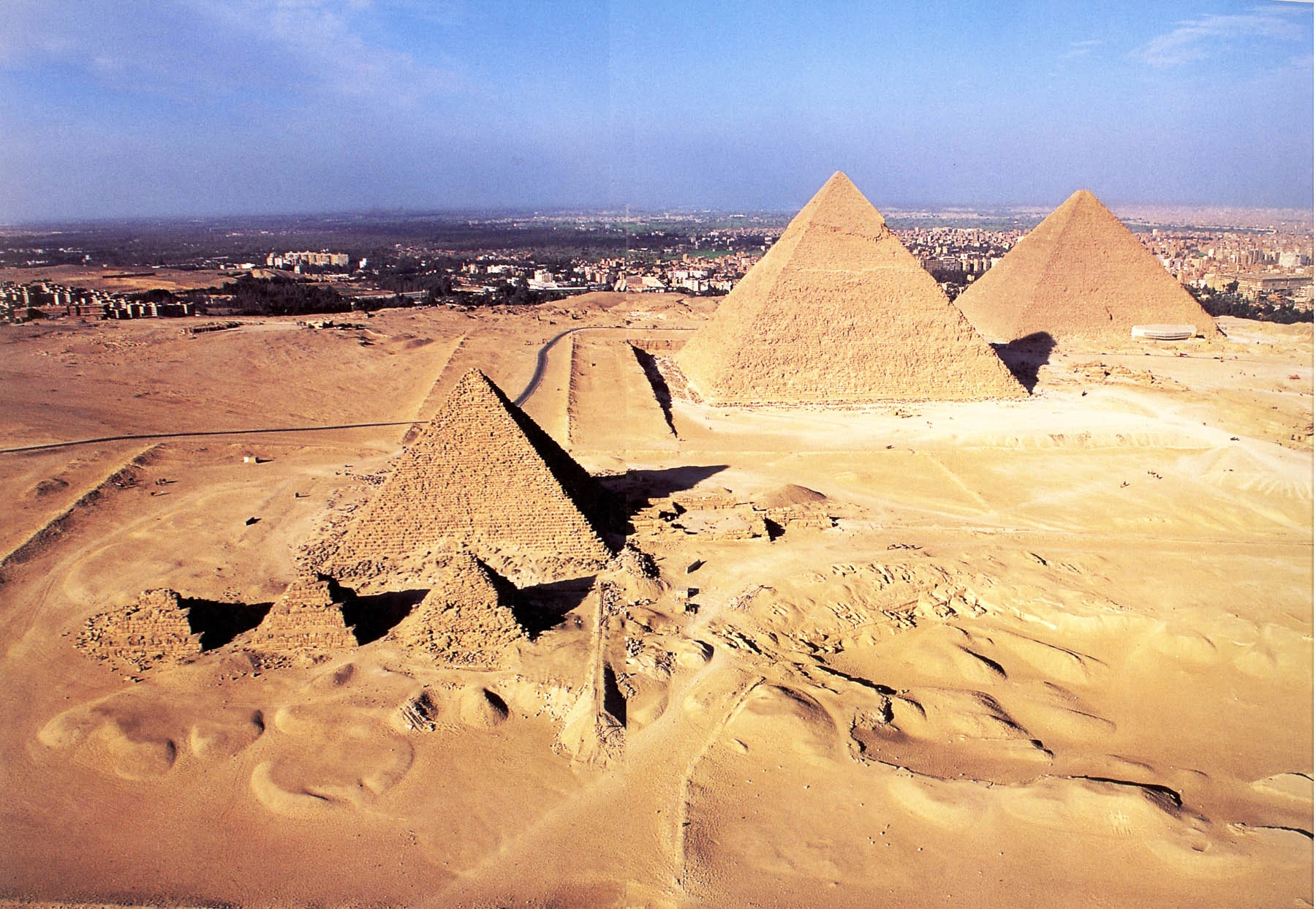
To truly appreciate the Pyramids of Giza, one must understand the architectural evolution that occurred during Egypt's Old Kingdom period, specifically during the Fourth Dynasty. The complex serves as a monumental necropolis, built as royal tombs designed to facilitate the pharaohs' transition into the afterlife.
The largest and oldest structure on the plateau is the Great Pyramid, built for Pharaoh Khufu (known in Greek as Cheops). Constructed around 2560 BC, this masterpiece of ancient engineering stands as a testament to the sophistication of the Pyramids of Egypt. It consists of an estimated 2.3 million limestone and granite blocks, weighing an average of 2.5 tons each. For over 3,800 years, it held the record as the tallest man-made structure in the world. Visitors exploring the Pyramids of Giza can purchase an additional ticket to enter Khufu's burial chamber via the Grand Gallery, an experience recommended for those not prone to claustrophobia.
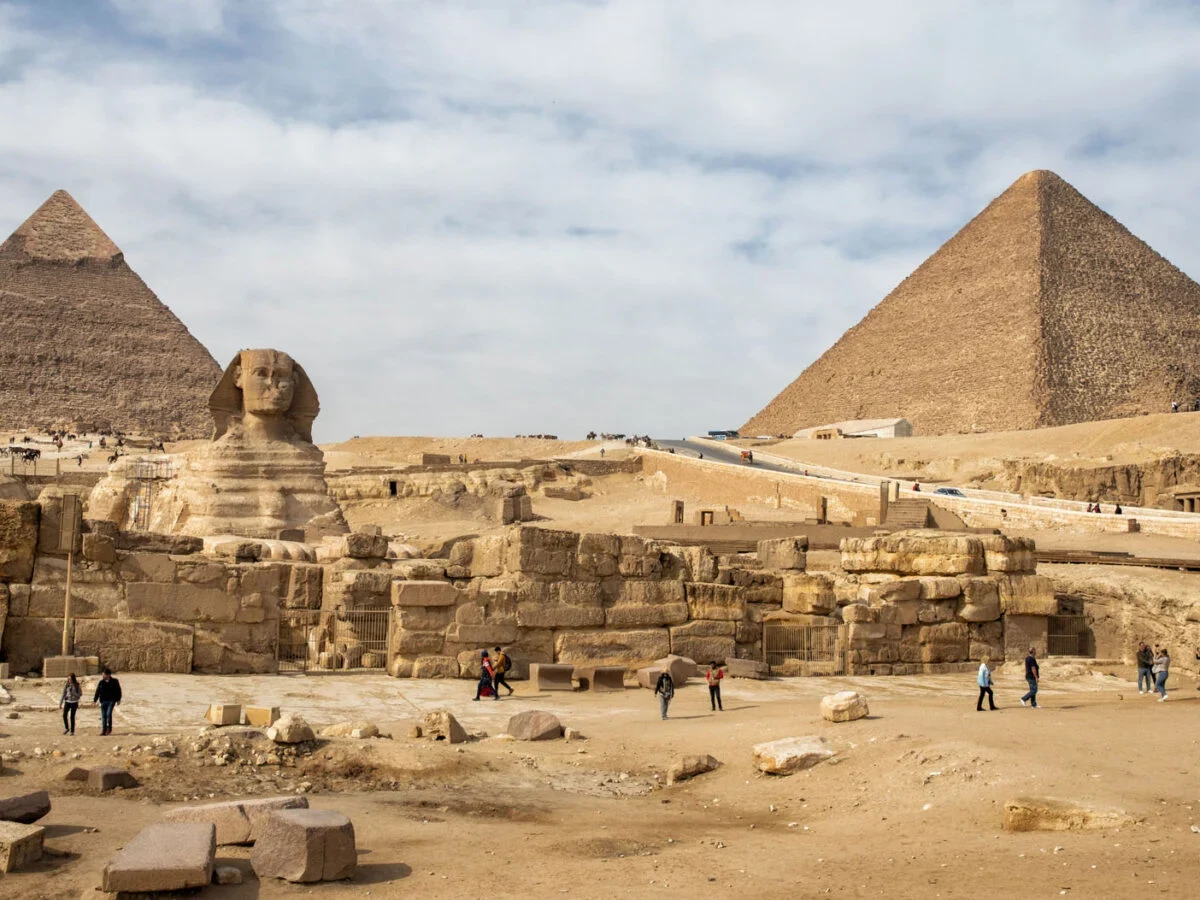
Directly adjacent to the Great Pyramid sits the Pyramid of Khafre, Khufu’s son. Though slightly shorter than the Great Pyramid, Khafre's monument appears taller because it was constructed on a higher bedrock foundation and retains its original casing stones at its apex. When comparing the scale of different Pyramids of Egypt, Khafre’s complex stands out due to its remarkably intact valley temple.
The smallest of the three primary Pyramids of Giza belongs to Pharaoh Menkaure. It is notable for its distinct lower tiers constructed from expensive red Aswan granite rather than local limestone, showcasing a shift in resource management during the late Fourth Dynasty.
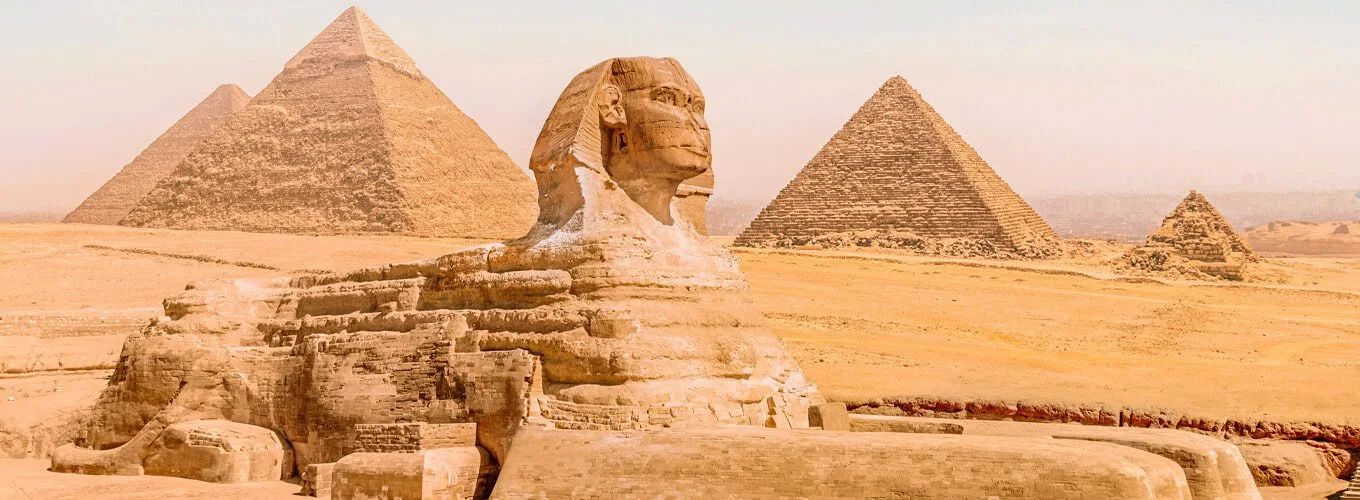
Guarding the eastern approach to the Giza necropolis is the Great Sphinx, a monolithic limestone statue featuring the body of a lion and the head of a pharaoh, widely believed to represent Khafre. Measuring 73 meters long and 20 meters high, the Sphinx is an integral part of any tour focusing on the Pyramids of Giza, serving as a symbol of royal power and solar protection.
Successfully navigating the Giza Plateau requires synchronizing your arrival with optimal weather and operational hours.
The Giza Plateau is typically open daily from 7:00 AM to 5:00 PM in the summer months, and closes at 4:00 PM during the winter season.
The ideal time to explore the Pyramids of Giza is between October and April, when midday temperatures remain manageable. Arriving precisely when the gates open at 7:00 AM allows you to stay ahead of large tour buses and experience the site in relative serenity.
The weather around the Pyramids of Egypt is characterized by intense solar exposure and minimal shade. Summer temperatures regularly exceed 40°C (104°F), while winter daytime temperatures hover around a pleasant 20°C (68°F).
Because you will be walking over uneven gravel, loose sand, and steep stone inclines, sturdy closed-toe walking shoes are essential. Wear breathable, loose-fitting clothing that respects local customs by covering your shoulders and knees. Additionally, a wide-brimmed hat, high-SPF sunscreen, and sunglasses are non-negotiable necessities for protection against the intense desert glare.
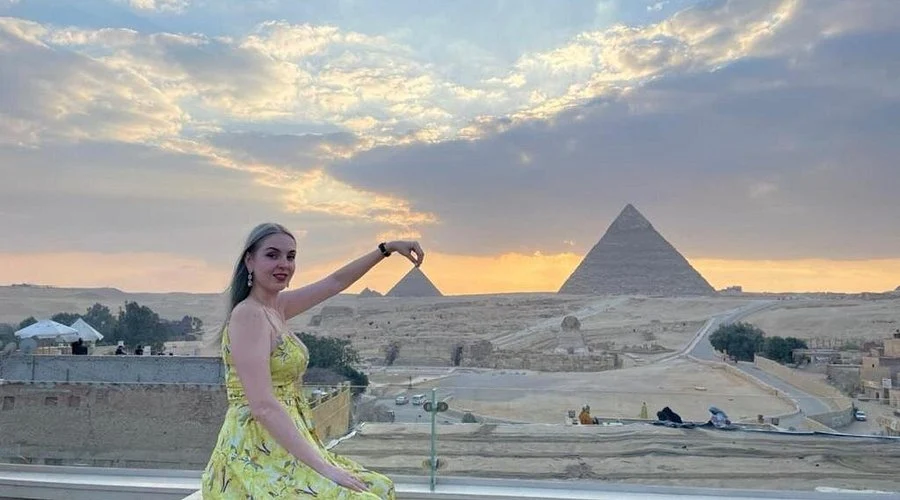
The Giza Plateau is a sprawling outdoor archaeological park. While visually breathtaking, the sheer size of the site and the presence of aggressive vendors can sometimes overwhelm unprepared visitors.
Main Giza Entrance Gate (Mena House Side):
The area surrounding the Pyramids of Giza is notorious for persistent street vendors, camel handlers, and unofficial guides. To ensure a pleasant visit, keep these proven guidelines in mind:
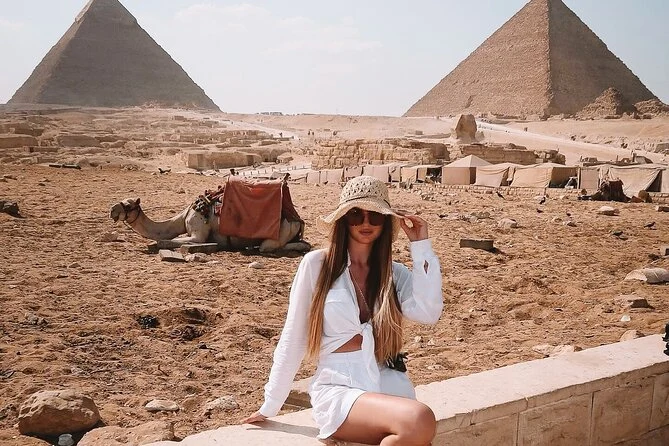
Taking a camel ride across the desert dunes with the Pyramids of Egypt aligned in the background is a popular tourist tradition. However, this is also where price disputes frequently occur.
The Egyptian government sets official hourly rates for camel and horse rides, which are posted near the ticket entrances. Always confirm the total price, the duration of the ride, and that the price covers your entire group before mounting the animal. The best panoramic viewpoint for photography is located further back in the desert expanse, roughly a 20-minute walk or a brief camel ride from the primary structures.
Independent travel around the Pyramids of Giza can be challenging due to language barriers, aggressive selling techniques, and complex transportation arrangements. Enlisting local assistance can significantly improve your overall experience.
To seamlessly integrate your tour of the capital with other legendary historic sites across the country, it is wise to bypass rigid group packages. You can easily Plan Tailor-Made Egypt Trip via specialized local agencies like Tour Guides Egypt. Crafting a customized itinerary ensures that your time at the Giza Plateau, the step pyramid of Saqqara, and the markets of Old Cairo is structured at your preferred pace, aligned with your specific budget, and handled with proper care.
Managing the details of your arrival, navigation, and departures requires dependable on-the-ground support.
Need assistance? If you have urgent questions regarding entry fees, camera permits, or transport bookings for the Pyramids of Giza, you can contact Tour Guides Egypt directly via WhatsApp through their platform for instant, personalized travel advice.
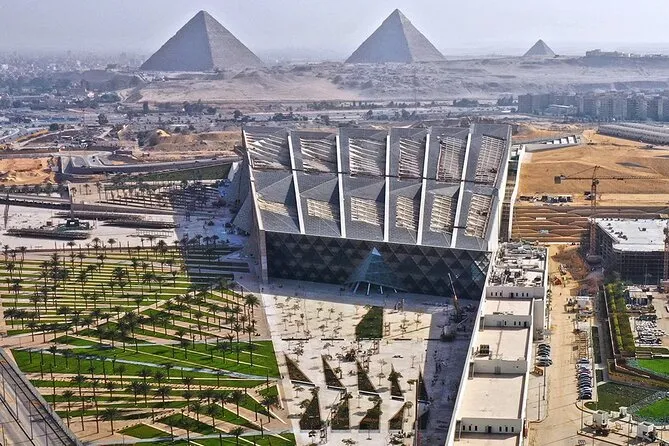
No modern visit to the Pyramids of Egypt is complete without addressing the nearby Grand Egyptian Museum (GEM). Situated just kilometers from the Giza Plateau, this state-of-the-art facility is the largest archaeological museum complex in the world dedicated to a single civilization.
The museum houses tens of thousands of artifacts, including the complete, legendary funerary collection of King Tutankhamun. The architectural design creates a direct visual line of sight between the museum’s glass atrium and the ancient Pyramids of Giza. Combining a morning exploration of the physical pyramids with an afternoon visit to the GEM provides an unparalleled, comprehensive look at ancient Egyptian history.
The Pyramids of Giza stand as an enduring tribute to human ingenuity, engineering capability, and cultural longevity. To ensure your journey to see these magnificent monuments is memorable for all the right reasons, remember to prioritize early morning arrival, pack appropriate sun protection, and secure reliable local support.
By taking charge of your travel logistics, avoiding common local scams, and understanding the historic context of the Pyramids of Egypt, you can confidently immerse yourself in the wonders of the ancient world. Let the expertise of local professionals guide your steps as you explore the secrets of the pharaohs.
Yes, it is entirely safe, but it requires physical fitness. The interior shafts leading to the burial chamber are narrow, low-ceilinged, and require crouching for extended periods. It can become very hot, humid, and crowded inside. If you suffer from claustrophobia, heart conditions, or back issues, it is best to skip the interior and appreciate the Pyramids of Giza from the outside.
An optimal visit to the main Giza Plateau typically takes between 3 to 4 hours. This duration allows ample time to inspect the exterior of the three main pyramids, visit the Great Sphinx, walk to the panoramic desert viewpoint, and take photographs without rushing.
Photography rules change frequently. Currently, standard smartphone photography is permitted inside the main chambers, but using professional DSLR cameras, tripods, or flash equipment requires purchasing an additional commercial photography permit at the main ticket office. Always check the latest signage at the entrance before taking out your gear.
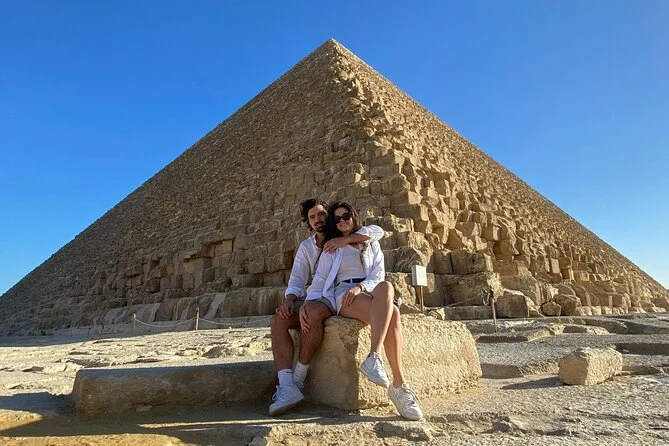
Strictly speaking, no. Climbing the exterior blocks of the Pyramids of Giza is strictly illegal to ensure both visitor safety and the preservation of these ancient monuments. Severe legal penalties, including heavy fines and potential detention, apply to anyone caught scaling the structures. Climbing is limited to the designated modern stairways that lead directly into the official entry shafts.

Hire a Hurghada tour guide from $70/day. A private guide in Hurghada for city tours, Luxor, Cairo and des ...

Book a Marsa Alam tour guide from $70/day. Private guide in Marsa Alam for Luxor, Edfu, Wadi el Gemal and ...

Hire a Giza tour guide from $70/day. Book a licensed private guide in Giza for the Pyramids, Sphinx and G ...
Get Updates & More
@ Copy 2026 Tour Guides Egypt , All rights reserved