Aswan Tour Guide Tips | How to Hire the Right Guide in Aswan in 2026
Learn how to hire the right Aswan Tour Guide. Compare prices, verify licenses, and book a private guide A ...
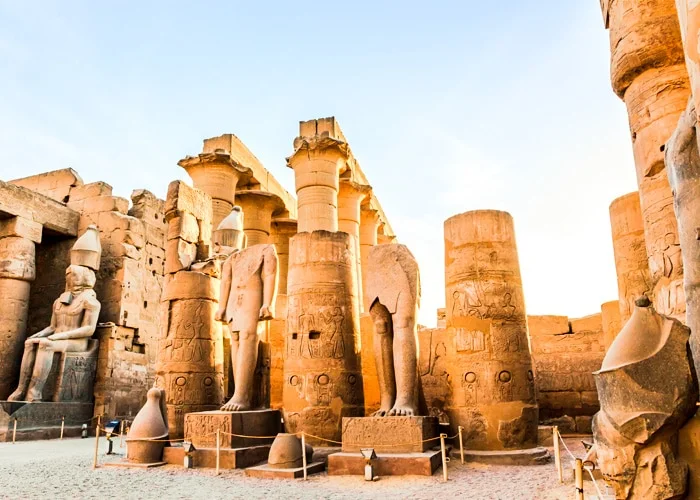
An authoritative guide to Luxor attractions, helping travelers explore the best tourist attractions in Luxor across the East and West Banks with expert logistical planning.
Luxor, historically known as the ancient city of Thebes, serves as the cultural heart of Upper Egypt. Spanning both sides of the Nile River, this destination contains an unparalleled concentration of ancient monuments, structural ruins, and beautifully preserved royal tombs. For travelers seeking a deep dive into antiquity, exploring the core Luxor attractions is an essential part of any Egyptian itinerary.
The scale of archaeological wealth here makes proper preparation vital. Unlike modern resort destinations, the historic tourist attractions in Luxor require structured planning regarding local geography, ticketing options, climate variances, and transportation. This comprehensive guide provides factual, high-value, and expert-backed insights to help you design an efficient and rewarding trip to see the Luxor top attractions while avoiding common travel pitfalls.
To effectively plan your days, you must understand how Luxor Egypt attractions are divided by the natural flow of the Nile River. Ancient Egyptian ideology dictated that the East Bank represented life, sunrise, and state worship, while the West Bank represented death, sunset, and the transition into the afterlife.
WEST BANK (Sunset / Afterlife):
EAST BANK (Sunrise / Living):
Splitting your sightseeing itinerary along this geographical divide reduces travel time and minimizes fatigue. Attempting to mix banks on a single afternoon diminishes your ability to absorb the historical scale of these premium Luxor attractions. To truly enjoy the top tourist attractions in Luxor, allocate dedicated days to each riverbank separately.
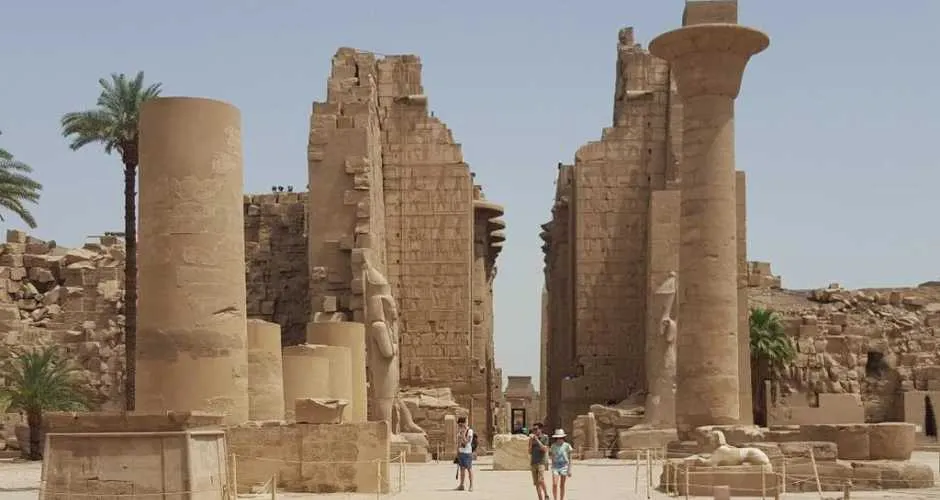
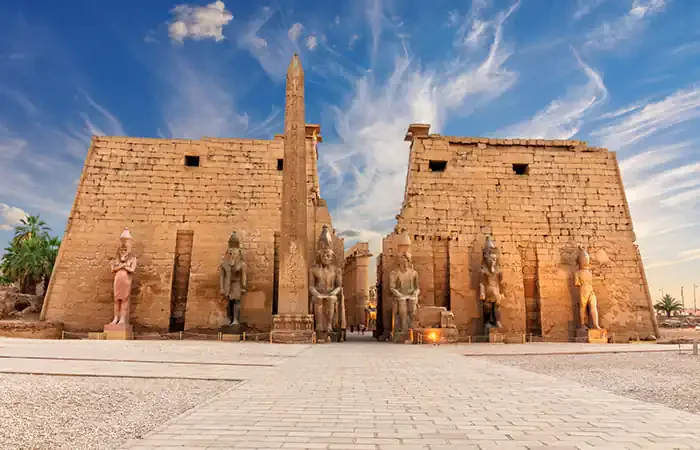
The East Bank houses modern Luxor's town center, major railway hubs, cruise docks, and two of the most significant ceremonial temple complexes in human history, making them core Luxor attractions for every traveler.
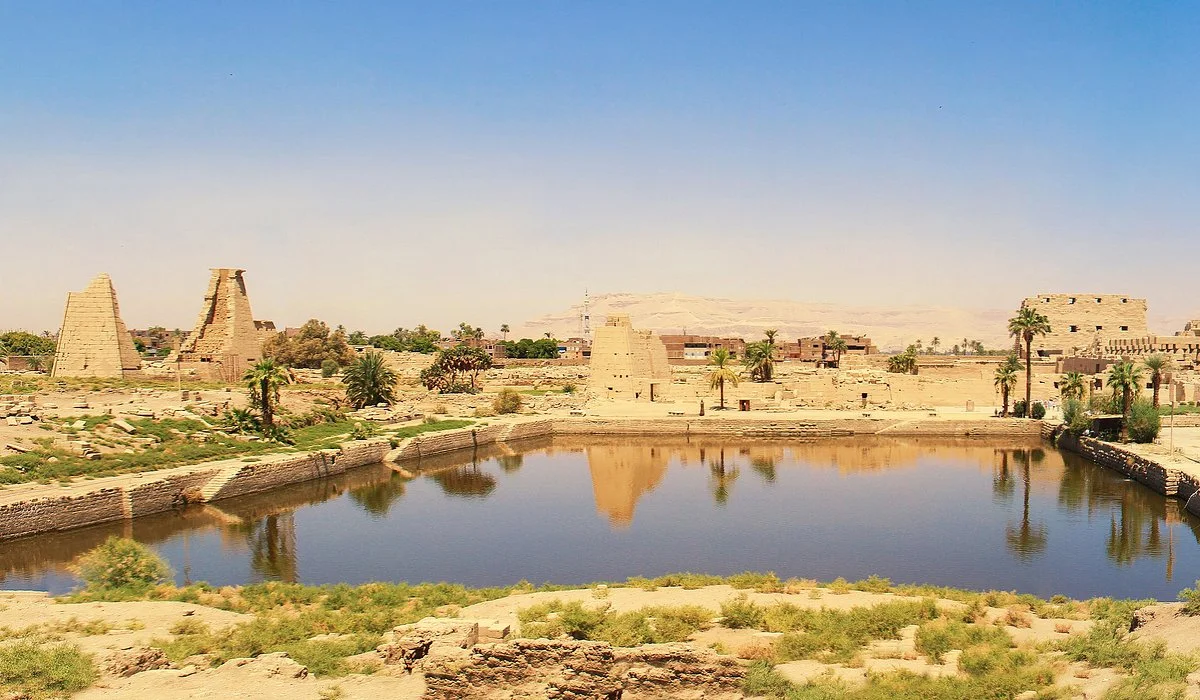
Karnak is not a single temple; it is a massive, sprawling complex constructed, expanded, and altered by over thirty consecutive pharaohs over a period of 2,000 years. As one of the premier Luxor top attractions, its scale is immense. The center of the complex is the Great Hypostyle Hall, an architectural marvel containing 134 massive sandstone columns arranged in 16 rows, with the central columns reaching 21 meters in height.
When touring these specific Luxor attractions, focus on the details of the walls: the relief carvings depict historical battles, religious treaties, and coronation ceremonies. The Sacred Lake, located at the rear of the complex, was utilized by ancient priests for purification rituals before performing ceremonies inside the sanctuaries, anchoring its status among famous Luxor Egypt attractions.
Located in the center of the modern city, Luxor Temple stands out among major tourist attractions in Luxor because it was not built for a specific god or pharaoh. Instead, it was the central location for the annual Opet Festival, a critical religious celebration where the statues of Amun, Mut, and Khonsu were carried from Karnak to Luxor Temple to rejuvenate the pharaoh’s divine kingship.
Luxor Temple is widely considered one of the most striking Luxor attractions to visit at night. The complex is illuminated by a professional lighting system after sunset, highlighting the dramatic reliefs, massive statues of Ramesses II, and the remaining pink granite obelisk, proving why it remains a highlight among Luxor top attractions.
Connecting Karnak and Luxor Temples is the historic Avenue of Sphinxes, a 2.7-kilometer ancient walkway lined with over 1,000 sphinx statues. Reopened fully to the public after extensive excavation, this stone avenue allows visitors to walk the exact ceremonial route used by ancient Egyptians during royal processions, making it a key addition to the list of modern tourist attractions in Luxor.
Crossing to the West Bank transitions you into a stark desert landscape dominated by the high limestone cliffs of the Theban Hills, beneath which lay hidden some of the most spectacular Luxor Egypt attractions.
For nearly 500 years during the New Kingdom (18th to 20th Dynasties), Egyptian pharaohs abandoned the construction of highly visible pyramids in favor of rock-cut tombs carved deep into the limestone valleys. The Valley of the Kings holds over 60 known tombs, including those of Tutankhamun, Ramesses VI, Seti I, and Thutmose III, representing the peak of dramatic Luxor attractions.
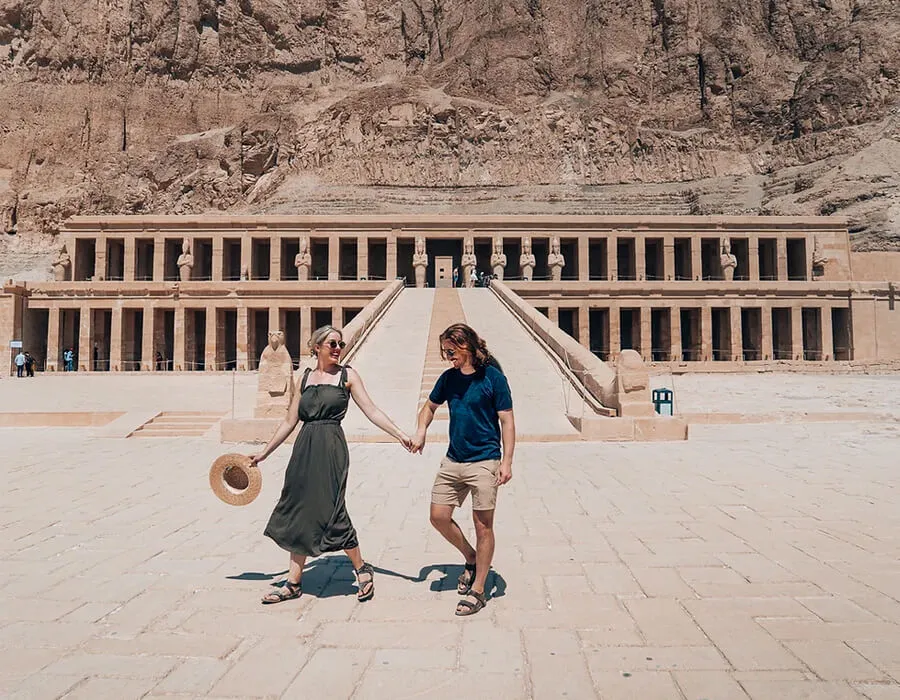
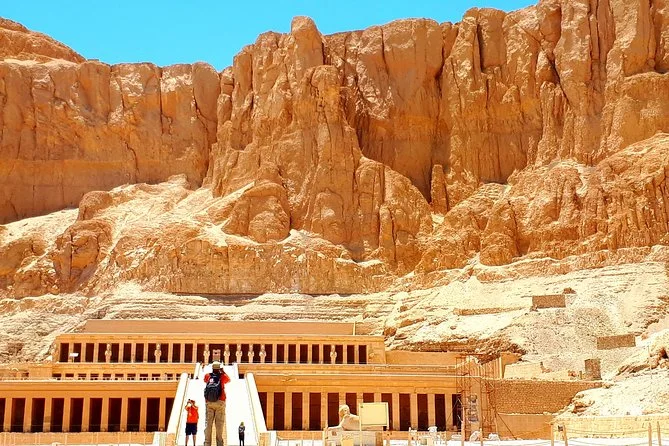
Rising out of the desert floor in a series of three massive terraces is the mortuary temple of Queen Hatshepsut, one of ancient Egypt’s few female rulers. Designed by her architect Senenmut, the temple’s clean classical symmetry is unique among Luxor attractions. The long terraces are connected by central ramps, and the reliefs inside detail Hatshepsut’s divine birth and her famous maritime trading expedition to the land of Punt, securing its place among Luxor Egypt attractions.
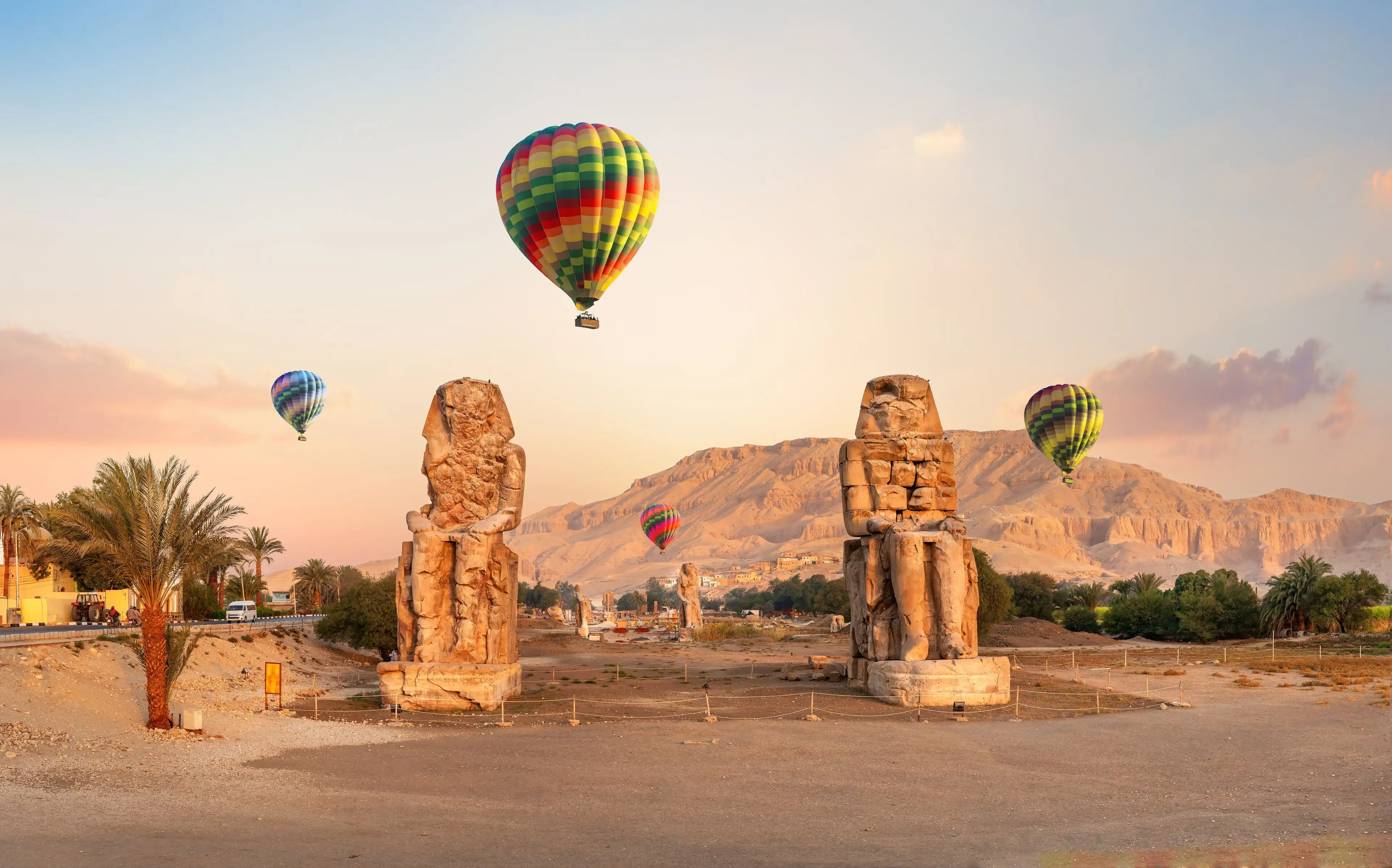
Standing prominently by the side of the main West Bank road are two massive quartzite sandstone statues known as the Colossi of Memnon. These 18-meter-high monuments depict Pharaoh Amenhotep III and originally guarded the entrance to his mortuary temple, which was once the largest temple complex on the plateau before being destroyed by ancient earthquakes and floodwaters. They serve as a quick, free, and visually impressive stop among the Luxor top attractions.
While less crowded than the primary valley, the Valley of the Queens contains the Tomb of Queen Nefertari (QV66), widely considered the most beautiful tomb interior in Egypt due to its pristine, unblemished color reliefs. Nearby, the mortuary temple of Ramesses III at Medinet Habu offers deeply carved reliefs depicting military campaigns against the Sea Peoples, standing as one of the most secure and structurally intact fortresses among historic Luxor attractions.
Travelers who look beyond the primary temple complexes will find several highly rewarding, low-crowd tourist attractions in Luxor that provide deeper historical context.
The Luxor Museum is one of the best-curated exhibition spaces in the Middle East. It displays a select, high-quality collection of artifacts found directly within local excavations, including a cache of masterfully sculpted statues discovered beneath the floor of Luxor Temple in 1989. The Mummification Museum, located nearby along the Nile Corniche, offers a fascinating look at the tools, organic materials, fluids, and ancient techniques used to preserve both human and animal mummies, adding immense value to your exploration of Luxor attractions.
To understand daily ancient life rather than grand royal mythologies, visit the Tombs of the Nobles. These smaller burial spaces belong to powerful governors, viziers, and high priests, featuring informal artistic depictions of farming, fishing, and family banquets.
Follow this with a visit to Deir el-Medina, the preserved ancient village where the artisans, stonecutters, and painters who built the Valley of the Kings lived. Their personal tombs feature highly detailed, intimate artwork done by the masters for their own families, offering a refreshing break from the larger, crowded tourist attractions in Luxor.
True immersion in the region involves experiential Luxor attractions that showcase the stunning geography of the Nile valley from different perspectives.
One of the most popular experiential Luxor attractions requires a very early morning wakeup call. Hot air balloon flights launch from the West Bank just before dawn, lifting passengers high above the agricultural fields, desert margins, and illuminated stone temples. Watching the sunrise paint the Valley of the Kings and the Temple of Hatshepsut in deep golden hues provides an unforgettable overview of the entire ancient landscape.
After long afternoons spent walking across hot desert archaeological sites, a sunset sail on a traditional wooden felucca provides a welcome contrast. Drifting along the Nile as the sun dips behind the Theban hills allows you to experience the river exactly as ancient traders and pharaohs did for thousands of years, making it a peaceful addition to your list of Luxor top attractions.
Maximizing your time at these expansive historical complexes requires an understanding of local operational standards, pricing structures, and climate management across all Luxor attractions.
Most major temples open early, around 6:00 AM or 7:00 AM, and close around 5:00 PM (Luxor Temple remains open later under floodlights). Tickets must be purchased using debit or credit cards at the official Ministry of Tourism ticket kiosks, as many locations have transitioned completely away from cash.
If you plan an extensive, multi-day exploration of all available tourist attractions in Luxor, look into purchasing the Luxor Pass at the main antiquities office. This all-inclusive pass is valid for five consecutive days and grants unlimited access to all archaeological sites on both banks, helping you save money on entrance fees.
Luxor features an extreme desert climate. Summer temperatures can regularly soar past 45°C (113°F), making outdoor exploration of Luxor Egypt attractions uncomfortable and physically taxing between May and September.
The peak season runs from October through April, when daytime temperatures hover between a comfortable 22°C and 30°C (71°F to 86°F). Even during the winter months, solar radiation remains high on the West Bank. Always pack a wide-brimmed hat, apply high-SPF sunscreen, and carry sufficient drinking water to prevent dehydration while walking through various Luxor attractions.
Because tourism is the primary economic driver in the region, visitors will encounter persistent street vendors, taxi drivers, and souvenir sellers near the entrances to all major Luxor attractions. To maintain a stress-free experience, practice these techniques:
Navigating the logistics of a multi-bank historical tour can be challenging due to language barriers, aggressive touting, and unmetered transport options. Securing reliable local support ensures a seamless, educational, and secure experience across all Luxor attractions.
Rather than conforming to rigid group tour structures that rush through major temple sites, many travelers opt for personalized planning to view the best Luxor attractions. You can easily Plan Tailor-Made Egypt Trip through specialized platforms like Tour Guides Egypt. Crafting a bespoke plan allows you to determine exactly how many days you wish to spend exploring historical Luxor Egypt attractions, balancing your beach stays or Nile cruises at a customized pace that suits your budget.
A seamless visit to the ancient capital requires reliable transportation and high-level historical interpretation of the iconic Luxor attractions.
Need immediate assistance? If you have questions regarding entry fees, camera passes, or direct transport options to the tourist attractions in Luxor, you can contact Tour Guides Egypt directly via WhatsApp on their platform for instant, personalized travel advice.
The sheer volume of history preserved within Luxor attractions makes it a cornerstone of world heritage. To get the most out of your journey to this ancient capital, prioritize early morning exploration to beat the heat, split your days logically by riverbank geography, and invest in proper sun protection.
By taking charge of your local logistics, learning how to handle street vendors calmly around tourist attractions in Luxor, and working with trusted local professionals, you can step back in time and experience the monumental legacy of the pharaohs with confidence and peace of mind. Let local expertise clear the path for an unforgettable adventure across all iconic Luxor top attractions.
Neither is "better" because they offer completely different historical structures. The East Bank is best for experiencing massive, living temple complexes like Karnak and Luxor Temple. The West Bank is essential for exploring rock-cut tombs, like the Valley of the Kings, and dramatic mortuary temples. A complete look at the top Luxor attractions requires visiting both sides of the river.
To explore the main Luxor Egypt attractions thoroughly without rushing, a minimum of two to three full days is highly recommended. Spend one dedicated morning on the East Bank monuments, one full day exploring the expansive West Bank valleys, and a final day visiting the local museums and hidden gems like Medinet Habu to complete your view of Luxor attractions.
Standard smartphone photography is permitted inside most tombs and is included with your general admission ticket. However, flash photography is strictly prohibited as it can damage the ancient pigments on the walls. If you want to use professional DSLR cameras or tripods inside these Luxor attractions, you must purchase an additional photography permit at the main ticket counter.
Yes, Luxor is exceptionally safe for international tourists. The city relies heavily on tourism, and security measures are extensive, including dedicated tourist police units stationed at all major entry points and archaeological sites. Standard travel safety precautions apply when moving between different tourist attractions in Luxor.
You can cross the Nile River using the modern Luxor bridge via a private car, or take the much faster local public ferry boat (National Ferry) or private motorboats that run continuously between the two banks. Using a boat crossing takes only a few minutes and drops you directly into the main transit hubs near popular Luxor attractions.

Learn how to hire the right Aswan Tour Guide. Compare prices, verify licenses, and book a private guide A ...

Luxor Egypt tour guides 2026 — English guides from $70/day, other languages from $100/day. How to choose ...

Pompey's Pillar Alexandria 2026 — history, ticket prices, opening hours, and visitor tips. Complete guide ...
Get Updates & More
@ Copy 2026 Tour Guides Egypt , All rights reserved