
Hurghada Tour Guide | 7 Checks Before You Book (From $70/Day)
Hire a Hurghada tour guide from $70/day. A private guide in Hurghada for city tours, Luxor, Cairo and des ...
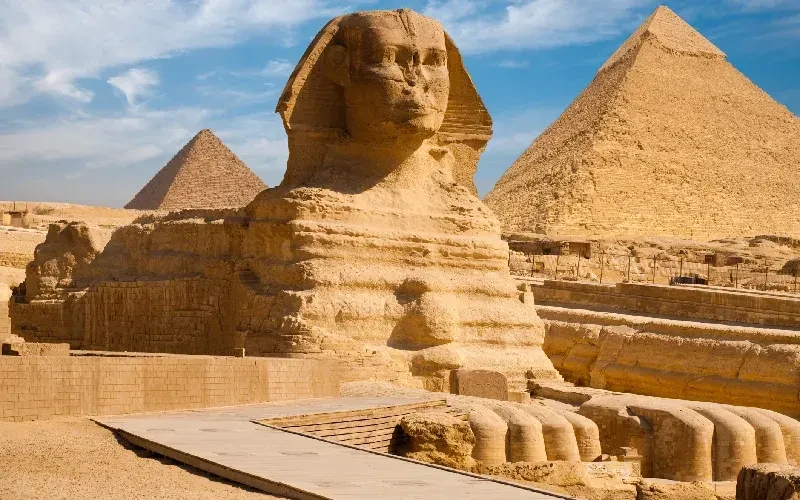
Standing guard over the Giza Plateau for over 4,500 years, the Sphinx is one of the most iconic monuments in history. This complete guide covers the Sphinx Giza Egypt — from its ancient origins and missing nose to practical visitor information. Whether you're exploring the Sphinx of Giza as part of a Cairo day trip or wondering about the Egyptian Sphinx legends, this guide helps you discover everything you need to know about the ancient Sphinx.
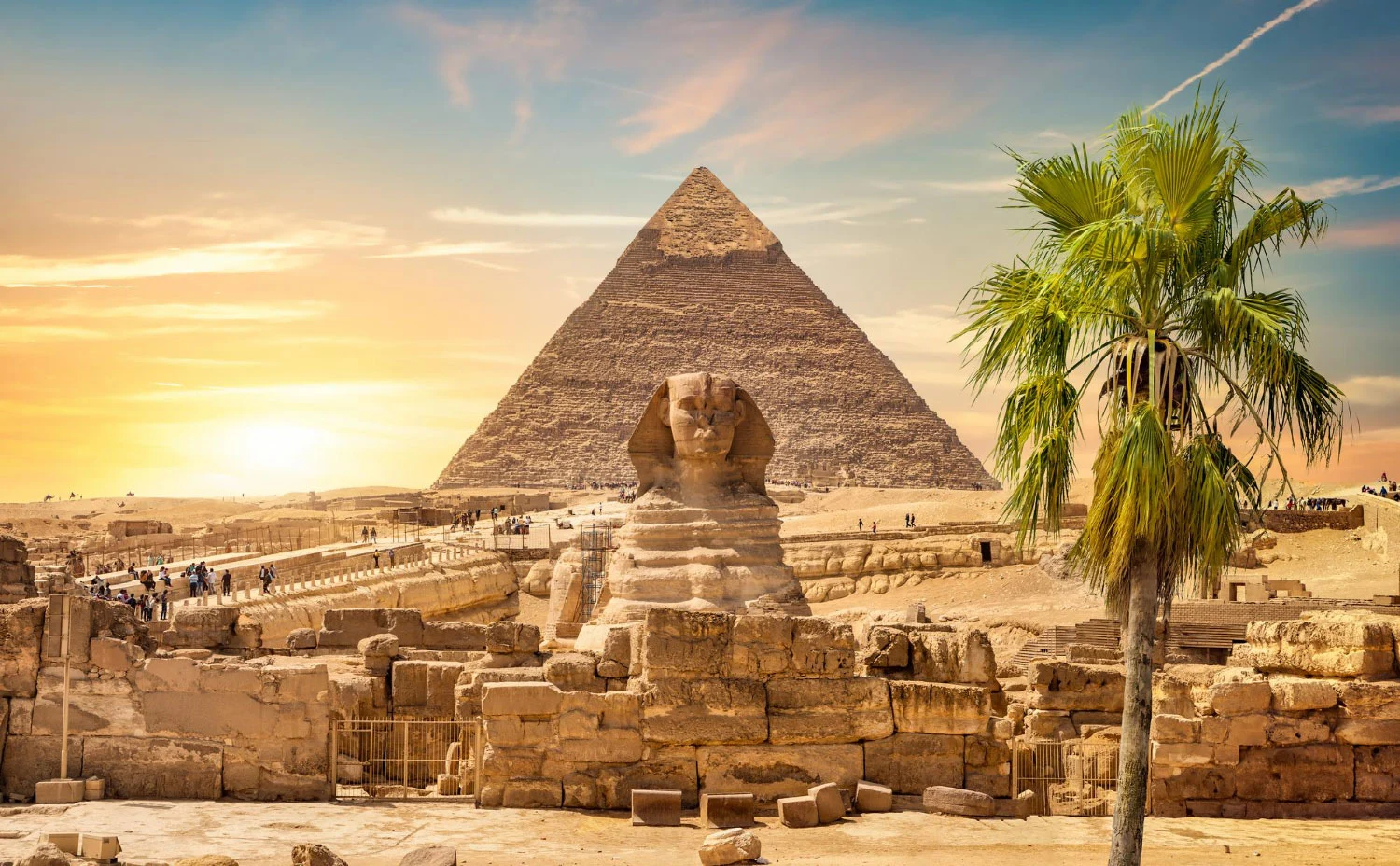
The Sphinx is a colossal limestone statue of a mythical creature with the body of a lion and the head of a human. It stands on the Giza Plateau, on the west bank of the Nile in Giza, Egypt, facing east toward the rising sun. The Sphinx of Giza is the oldest known monumental sculpture in Egypt and one of the most recognizable statues in the world.
Known to the Arabs as Abū al-Hawl, or "Father of Terror", the Egyptian Sphinx has captured the imagination of travelers, explorers, and scholars for millennia. Unlike the Greek sphinx — a dangerous female creature who devoured those who could not answer her riddles — the ancient Sphinx of Egypt was a benevolent guardian, representing the pharaoh with the body of a lion in a clear demonstration of his power.
For over 4,500 years, the Sphinx Gizeh has lain at the feet of the pyramids of Giza, guarding the necropolis and watching over the desert. Its enduring presence has made it an instantly recognizable symbol of ancient Egypt.
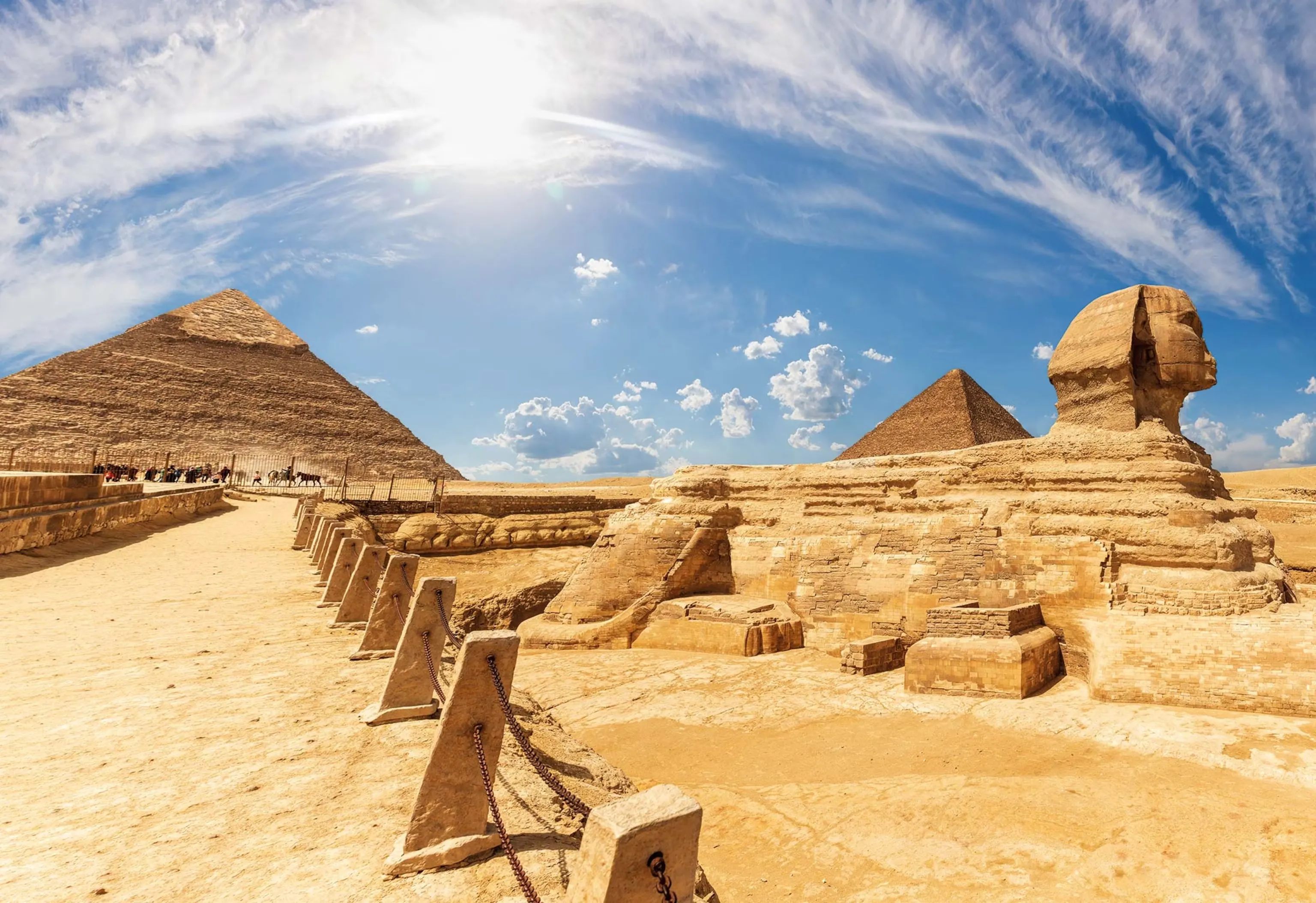
Archaeologists believe that the Great Sphinx was built during Egypt's Old Kingdom (circa 2575–2150 BC) by the fourth-dynasty pharaoh Khafre. The evidence points to the Sphinx of Giza having been carved during Khafre's reign (c.2558–2532 BC), the builder of the second of the Giza pyramids.
The statue was carved directly out of the limestone bedrock of the Giza Plateau during the 4th Dynasty (c.2613–2494 BC), which also makes it the oldest known monumental sculpture in Egypt. According to some estimates, it would have taken about three years for 100 workers, using stone hammers and copper chisels, to finish the statue.
The Sphinx and the temple in front of it, called the Sphinx Temple, lie directly next to Khafre's valley temple and the causeway leading up to his mortuary temple and pyramid. Careful analysis of the Great Sphinx's facial features has revealed striking similarities with those of Khafre's statues. However, some scholars believe it may have been built by Khafre's older brother Djedefre to commemorate their father, Khufu, whose pyramid is known as the Great Pyramid.
During the 18th Dynasty (c.1550–1295 BC), the Egyptian Sphinx came to be seen as a manifestation of the sun god and was called Horemakhet — "Horus in the Horizon". King Amenhotep II built a temple next to the Sphinx, which he dedicated to this god.
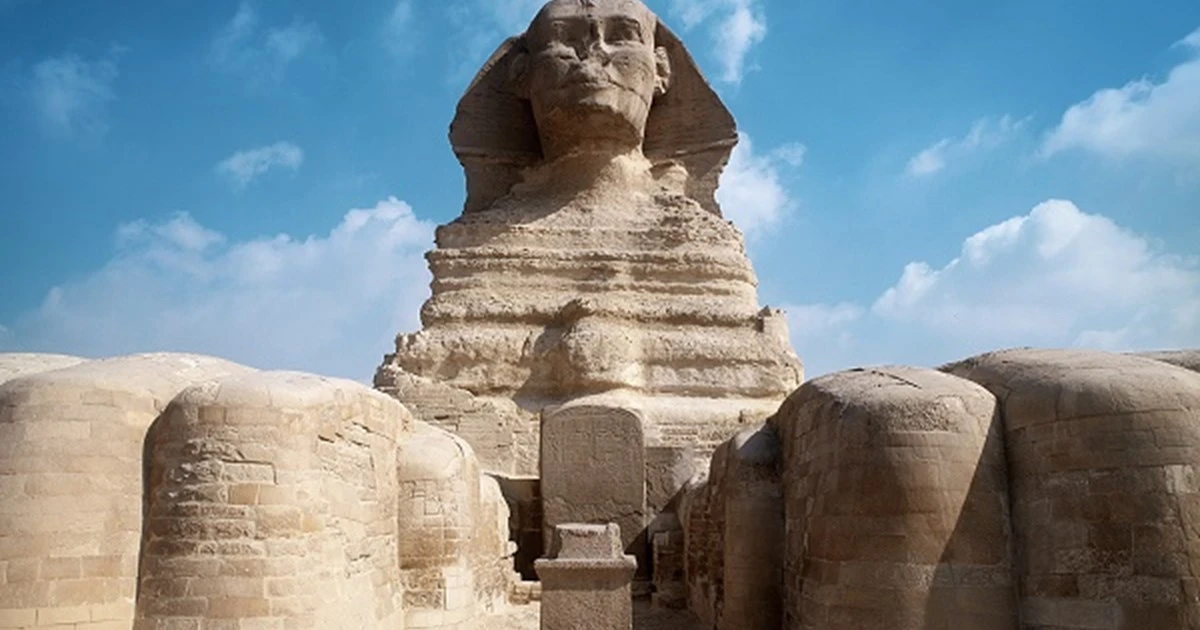
His son, Thutmose IV, erected a monumental granite stela between the Sphinx's front paws, called the Dream Stele. According to the inscription, a young Prince Thutmose fell asleep in the shade of the Sphinx and dreamt that the great beast was choking from the sand engulfing it. The Sphinx promised him that if he cleared the sand, he would obtain the crown of Upper and Lower Egypt. Thutmose cleared the sand, and the prophecy came true — he became pharaoh.
The Sphinx of Giza is famously missing its nose. Contrary to popular myth, Napoleon's troops did not shoot it off with a cannon — illustrations that date before Napoleon reveal a noseless Sphinx. Another theory contends that a Sufi Muslim named Muhammad Saʾim al-Dahr mutilated the statue in the 14th century to protest idolatry. The exact circumstances surrounding the nose's destruction remain uncertain.
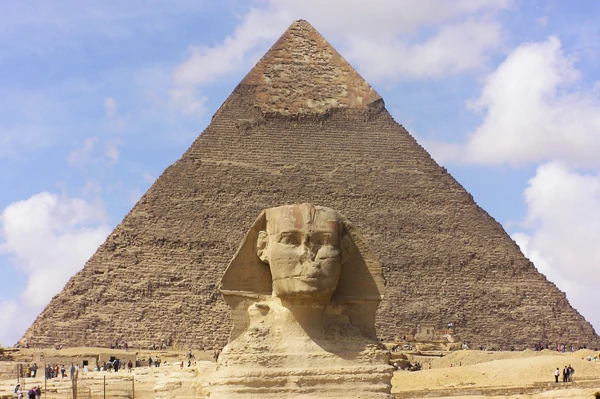
The Sphinx is among the world's largest sculptures:
| Dimension | Measurement |
| Length (paw to tail) | 73 metres (240 feet) |
| Height (base to head) | 20 metres (66 feet) |
| Width (rear haunches) | 19 metres (62 feet) |
| Face width | 4 metres (13 feet) |
The Sphinx is among the world's largest sculptures:
Much of the Sphinx Gizeh was carved directly from the limestone bedrock and then supplemented with limestone blocks. The surface layer has deteriorated over time, and the Sphinx has been restored with layers of limestone blocks over the centuries. Archaeologists have found traces of blue, yellow, and red pigments, making it likely that the ancient Sphinx was once colorfully decorated.
The Egyptian Sphinx was a symbol of royal power and divine protection. Ancient Egyptian sphinxes represented the king with the body of a lion, in a clear demonstration of his power. The Sphinx of Giza wears the nemes (a cloth headdress worn by Egyptian pharaohs) and the remains of a carved royal cobra, or uraeus, can be seen on its forehead.
Unlike the Greek sphinx, which was a dangerous female creature, the Egyptian sphinx was a benevolent guardian, protecting the tomb of the pharaoh and warding off evil spirits.
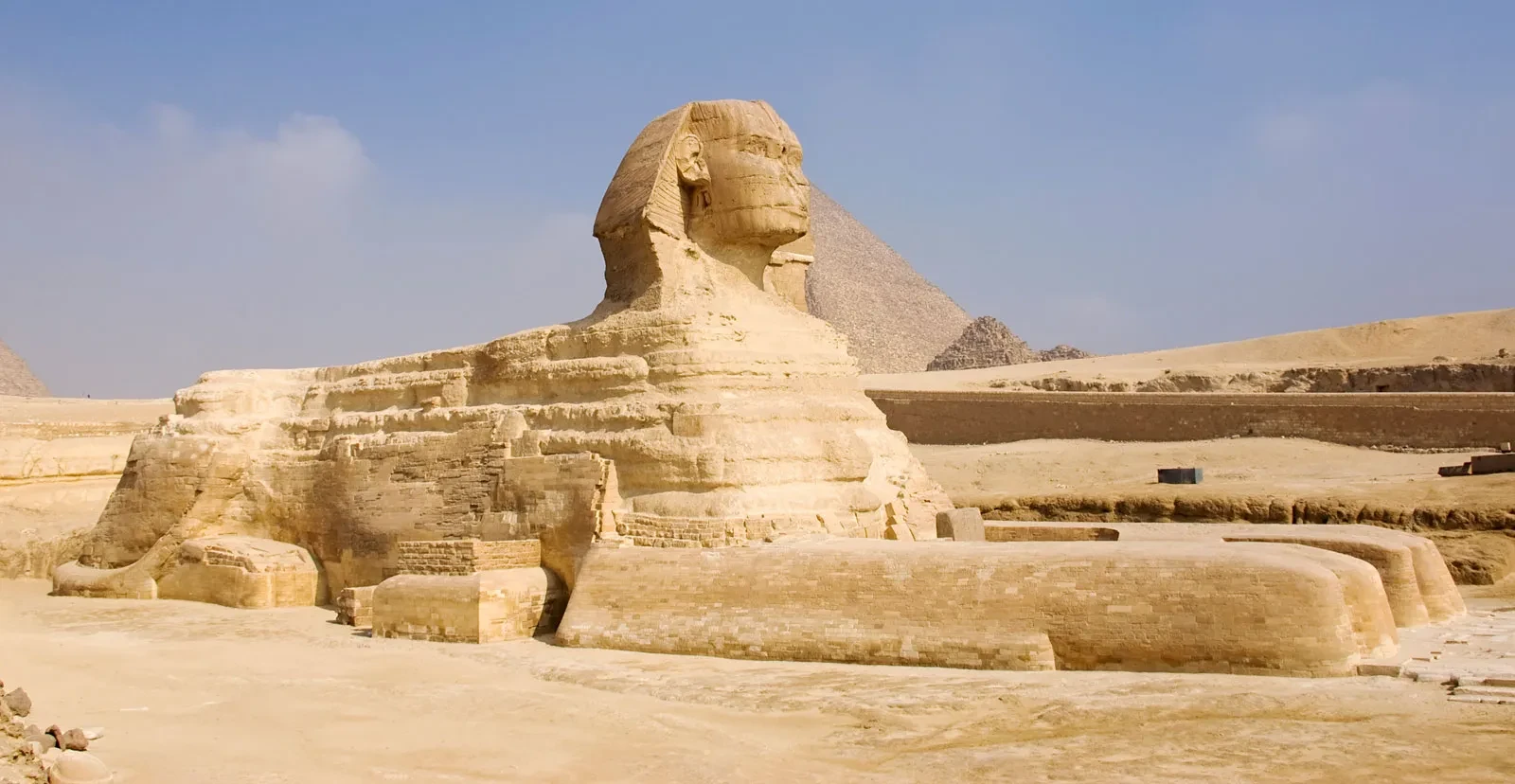
The Sphinx is located on the Giza Plateau in Giza, Egypt, on the west bank of the Nile. It is approximately 30 minutes from central Cairo.
How to get there:
The Giza Plateau, including the Sphinx, is open daily:
Ticket prices (2026):
Note: No separate ticket is required for the Sphinx, but availability can vary depending on restoration work.
The best time to visit the Sphinx of Giza is early morning (7:00–9:00 AM) to:
The best time to visit Egypt overall is October to April, when temperatures are milder.
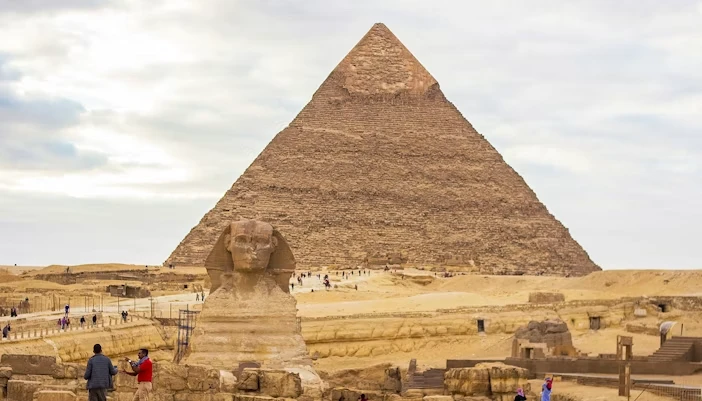
The sphinx is a mythological creature with a lion's body and a human head, an important image in Egyptian and Greek art and legend. The word sphinx was derived by Greek grammarians from the verb sphingein ("to bind" or "to squeeze").
In Greek mythology, the sphinx was a monster with a woman's head, a lion's body, and bird's wings who terrorized the city of Thebes by demanding the answer to a riddle. Oedipus famously solved the riddle, and the sphinx killed herself.
In Egyptian culture, however, the sphinx was a symbol of royal power and protection. The Great Sphinx of Giza remains the most famous example, and its image has inspired countless replicas around the world.
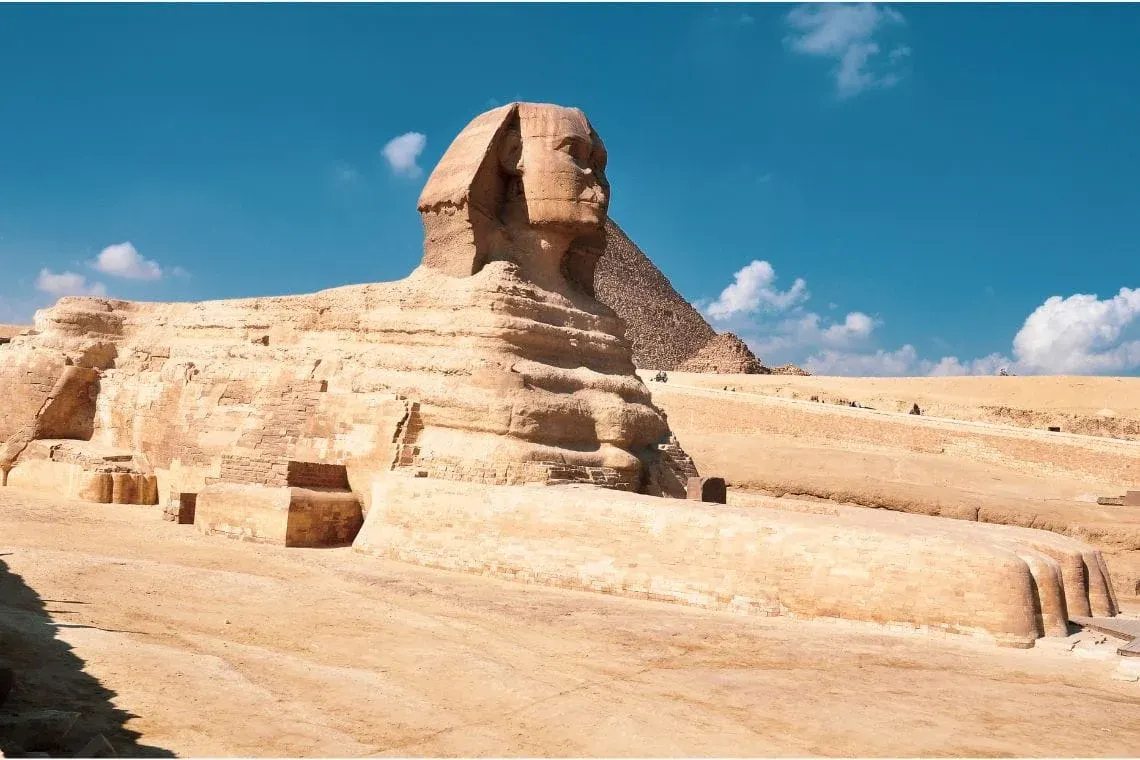
The Sphinx is more than just a monument — it's a symbol of ancient Egypt's enduring power and mystery. Standing before this colossal guardian, you can feel the weight of 4,500 years of history. The Sphinx Gizeh has watched over the pyramids, inspired legends, and drawn travelers from around the world for millennia. But to truly appreciate the Sphinx of Giza, you need more than a photograph — you need context.
The stories behind the Egyptian Sphinx — the Dream Stele, the missing nose, the theories about who built it — are what transform a visit from a simple sightseeing stop into a profound experience. That's where having a knowledgeable guide makes all the difference.
Tour Guides Egypt connects you with trusted local professionals who know the Sphinx of Giza inside out. Our Local Tour Guides are licensed Egyptologists who bring the ancient Sphinx to life — decoding the hieroglyphs on the Dream Stele, explaining the symbolism behind the lion's body and the pharaoh's face, and sharing the stories that most visitors never hear. Our Tour Representatives handle logistics — airport transfers, hotel coordination, and the countless details that make a trip seamless. And when you need to move between the Sphinx, the Pyramids, and other Cairo attractions, our Private Drivers provide comfortable, reliable transportation.
For travelers who want more than just a quick stop at the Sphinx, we can help you combine your visit with the Pyramids of Giza , the Grand Egyptian Museum, and the things to do and see in Cairo into a comprehensive day trip. You can also plan a tailor-made Egypt trip that includes the Sphinx of Giza along with Luxor, Aswan, and the Nile.
Ready to stand before the Sphinx? Reach out to us on [WhatsApp] for instant support — our team is ready to answer your questions about the Sphinx, customize your itinerary, and turn your Egyptian dream into reality. The ancient guardian is waiting — and we're here to help you meet it.
Q: What is the Sphinx of Giza?
A: The Sphinx of Giza is a colossal limestone statue of a mythical creature with the body of a lion and the head of a human. It is the oldest known monumental sculpture in Egypt and one of the most recognizable statues in the world.
Q: Who built the Sphinx Giza Egypt?
A: Most scholars believe the Sphinx Giza Egypt was built during the reign of Pharaoh Khafre (c.2558–2532 BC) during Egypt's Old Kingdom.
Q: How old is the Sphinx Gizeh?
A: The Sphinx Gizeh is approximately 4,500 years old, dating from the 4th Dynasty (c.2613–2494 BC).
Q: Why is the Egyptian Sphinx missing its nose?
A: The exact reason is unknown, but it was not Napoleon's troops — illustrations before Napoleon show a noseless Sphinx. One theory attributes the damage to a 14th-century Sufi Muslim.
Q: How big is the Great Sphinx?
A: The Great Sphinx measures 73 metres (240 feet) long, 20 metres (66 feet) high, and 19 metres (62 feet) wide.
Q: What is the Dream Stele?
A: The Dream Stele is a granite stela erected by Pharaoh Thutmose IV between the Sphinx's front paws, recording a dream in which the Sphinx promised him kingship if he cleared away the sand.
Q: Can I visit the Sphinx of Giza?
A: Yes. The Sphinx of Giza is open to visitors daily as part of the Giza Plateau. Tickets cost approximately EGP 700 for foreign adults.
Q: What is the best time to visit the Sphinx?
A: The best time to visit the Sphinx is early morning (7:00–9:00 AM) to beat the crowds and catch the best light for photos.
Q: What does the Sphinx represent?
A: The Egyptian Sphinx represented the king with the body of a lion, symbolizing royal power and protection.
Q: Is the Sphinx mentioned in the Bible?
A: The Sphinx is not directly mentioned in the Bible, but the Giza Plateau and Egypt feature prominently in biblical narratives.
Q: What is the difference between the Egyptian and Greek sphinx?
A: The Egyptian sphinx is a male guardian figure representing the pharaoh. The Greek sphinx is a female monster who asks riddles and devours those who cannot answer.
Q: Do I need a visa to visit the Sphinx?
A: Most nationalities require a visa to enter Egypt. Check the Egypt visa on arrival countries list to see if you qualify.

Hire a Hurghada tour guide from $70/day. A private guide in Hurghada for city tours, Luxor, Cairo and des ...

Book a Marsa Alam tour guide from $70/day. Private guide in Marsa Alam for Luxor, Edfu, Wadi el Gemal and ...

Hire a Giza tour guide from $70/day. Book a licensed private guide in Giza for the Pyramids, Sphinx and G ...
Get Updates & More
@ Copy 2026 Tour Guides Egypt , All rights reserved