
Orange Bay or Paradise Island? Choose by What You Want the Day to Feel Like
Orange Bay or Paradise Island? Compare beaches, crowds, snorkeling, boat time, price and who each suits t ...

Is it safe to see the pyramids in Egypt? Yes, with sensible precautions. This guide walks through a Giza visit from taxi to exit gate, shows where problems happen and explains how to make sure it is safe to visit pyramids in Egypt for your own trip.
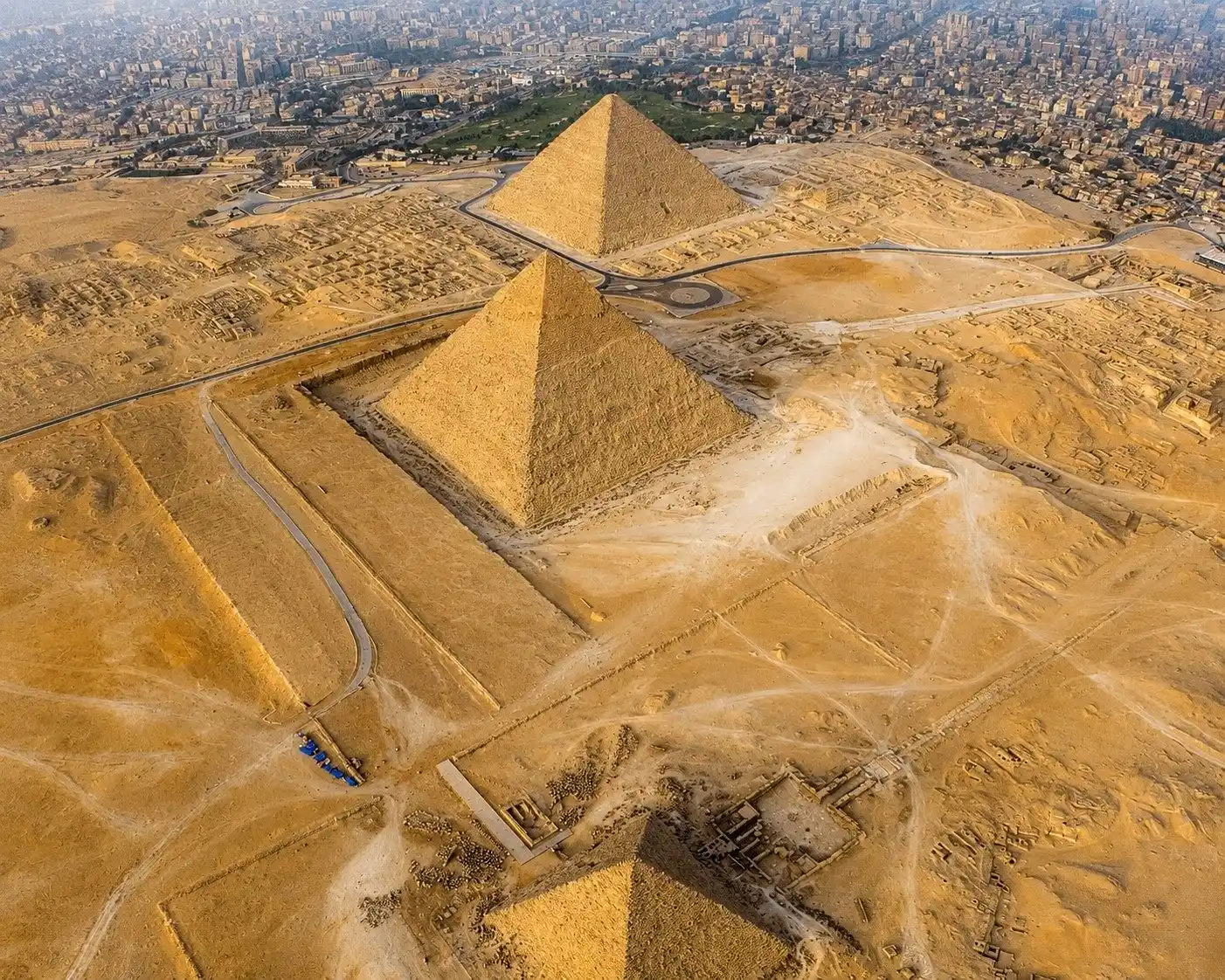
Millions of people visit the Pyramids of Giza every year, and the great majority leave with nothing worse than sore feet and a sunburn. The site is one of the most heavily watched tourist locations in the country. But "safe" does not mean "hassle-free," and the problems that do happen follow a pattern.
This guide walks through a visit in order, from the moment you leave your hotel to the moment you leave the plateau, so you know where the risks are and what to do about each.
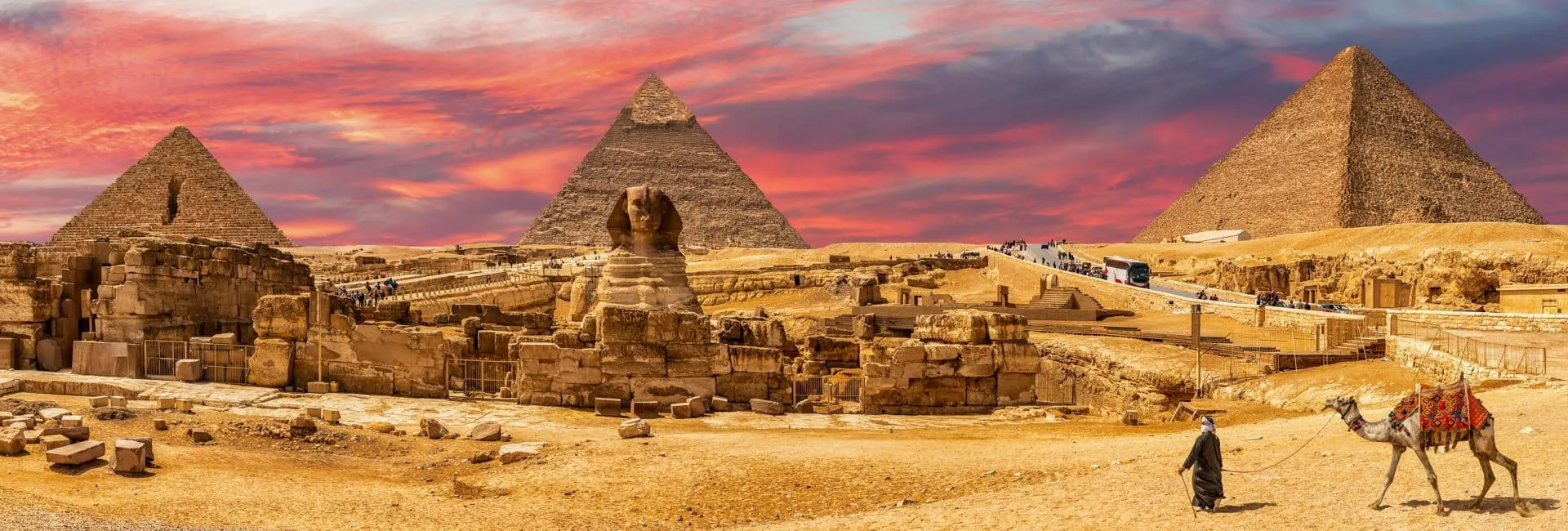
Yes, it is safe to visit the pyramids in Egypt for most travelers who take normal precautions. Violent crime against visitors at Giza is rare, security is visible, and tourist police patrol the area. The issues you are most likely to face are persistent sellers, overpriced animal rides, taxi disputes, unofficial guides, strong sun and heavy traffic.
Nothing here replaces your own government's current travel advice, which can change. Check it before you book and again before you fly. For a wider view, see our current safety guidance for Egypt.
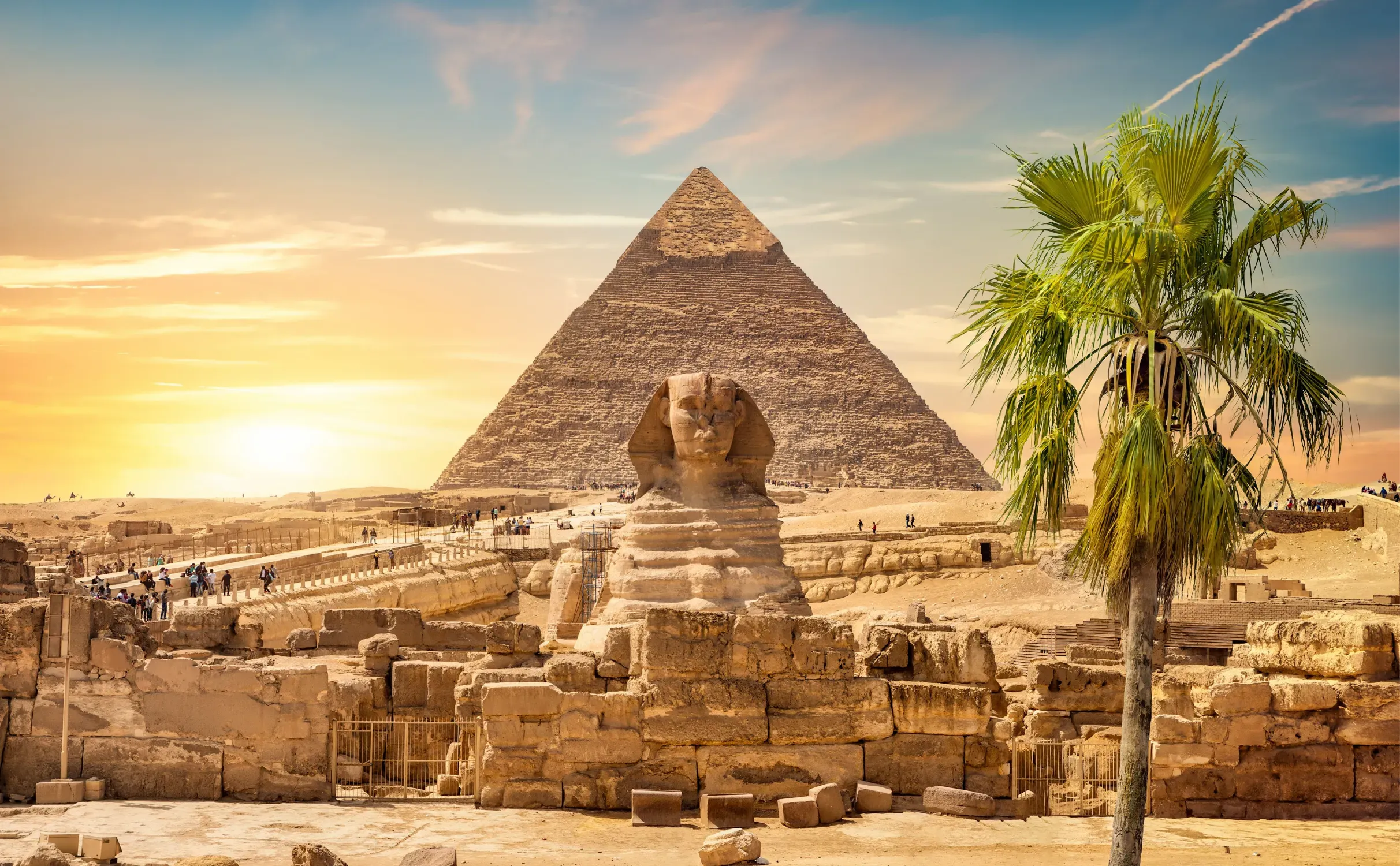
Egypt invests heavily in protecting its main tourist sites. At Giza you will see uniformed police, tourist police, bag screening at entrances and controlled access to the plateau. Hotels and major attractions in Cairo use similar measures.
That visible presence reflects a past in which attacks on tourists did occur in Egypt, and the country responded by tightening security around visitor areas. The risk to a tourist at the pyramids today is very low, but it is not zero, as with any major landmark anywhere in the world. Stay aware of your surroundings, follow instructions from security staff, and keep up to date with your government's advice.
Areas that carry stronger government warnings, such as parts of North Sinai and remote border regions, are far from Giza and are not part of a normal Cairo trip. For city-level guidance, see safety in Cairo.
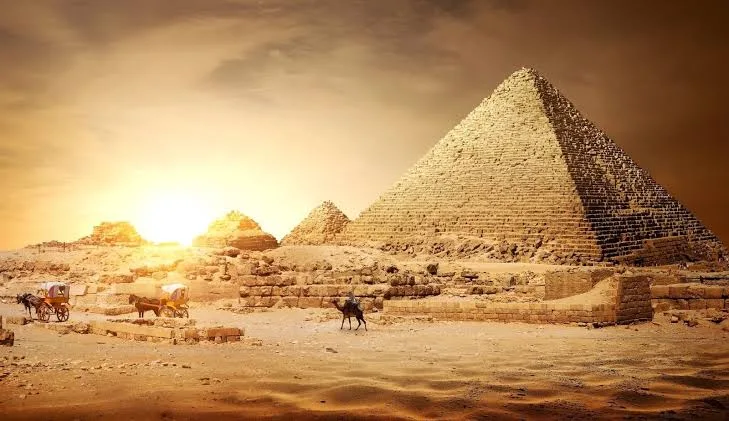
The risk: taxi disputes, traffic, and drivers who steer you to the wrong entrance or to a shop.
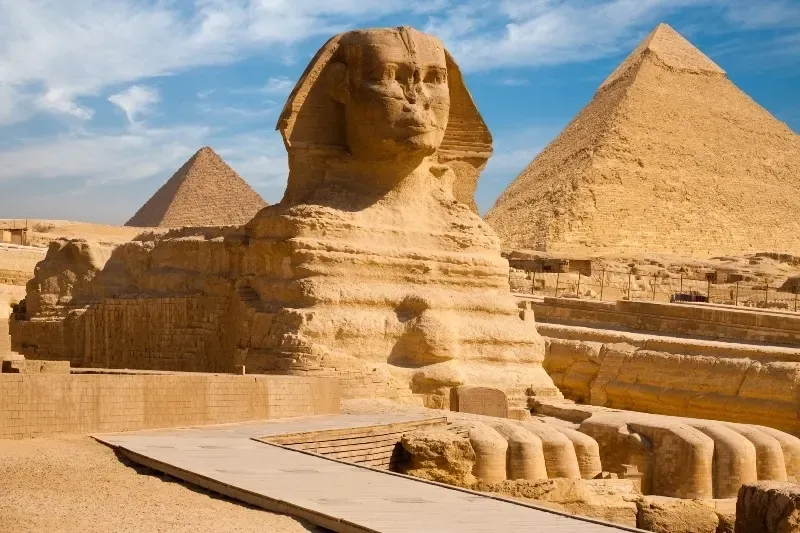
The risk: buying from unofficial sellers, confusion about what a ticket covers.
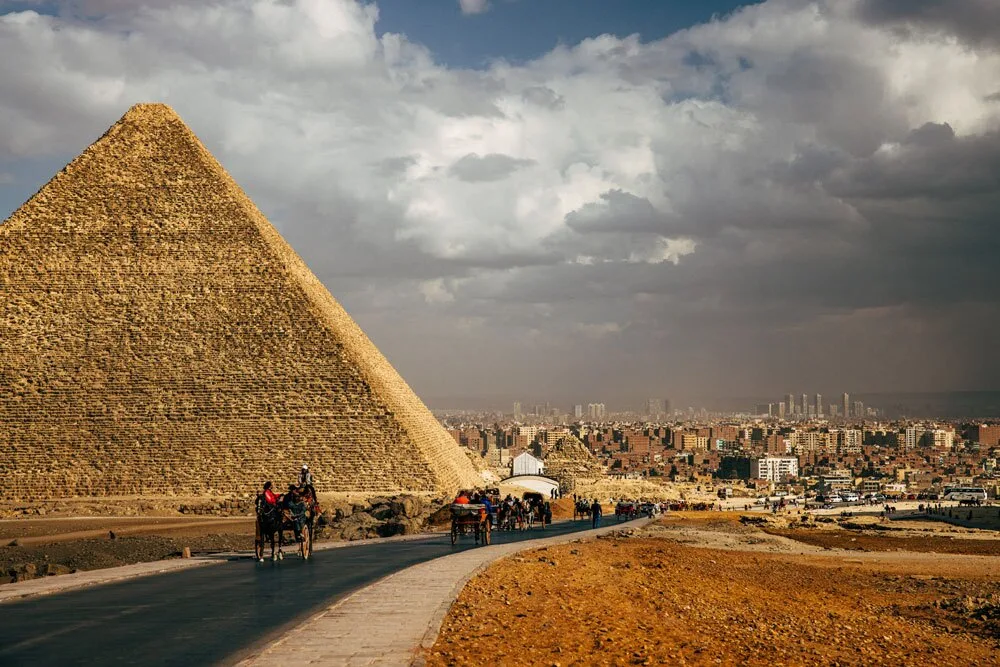
The risk: inflated prices and pressure.
This is the most common source of conflict. Camel and horse handlers may offer a "free" photo or a "short ride" and then ask for a high fee, or add charges once you are on the animal or far from the start.
The risk: paying for a poor tour and being led to shops.
People approach visitors offering to guide, explain or "help" with entry. Some are knowledgeable, but many are not licensed, and the visit often ends at a papyrus, perfume or souvenir shop.
The risk: small gifts that turn into demands for money.
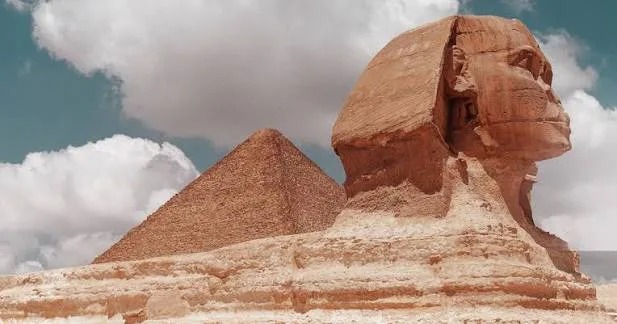
The risk: discomfort, not danger.
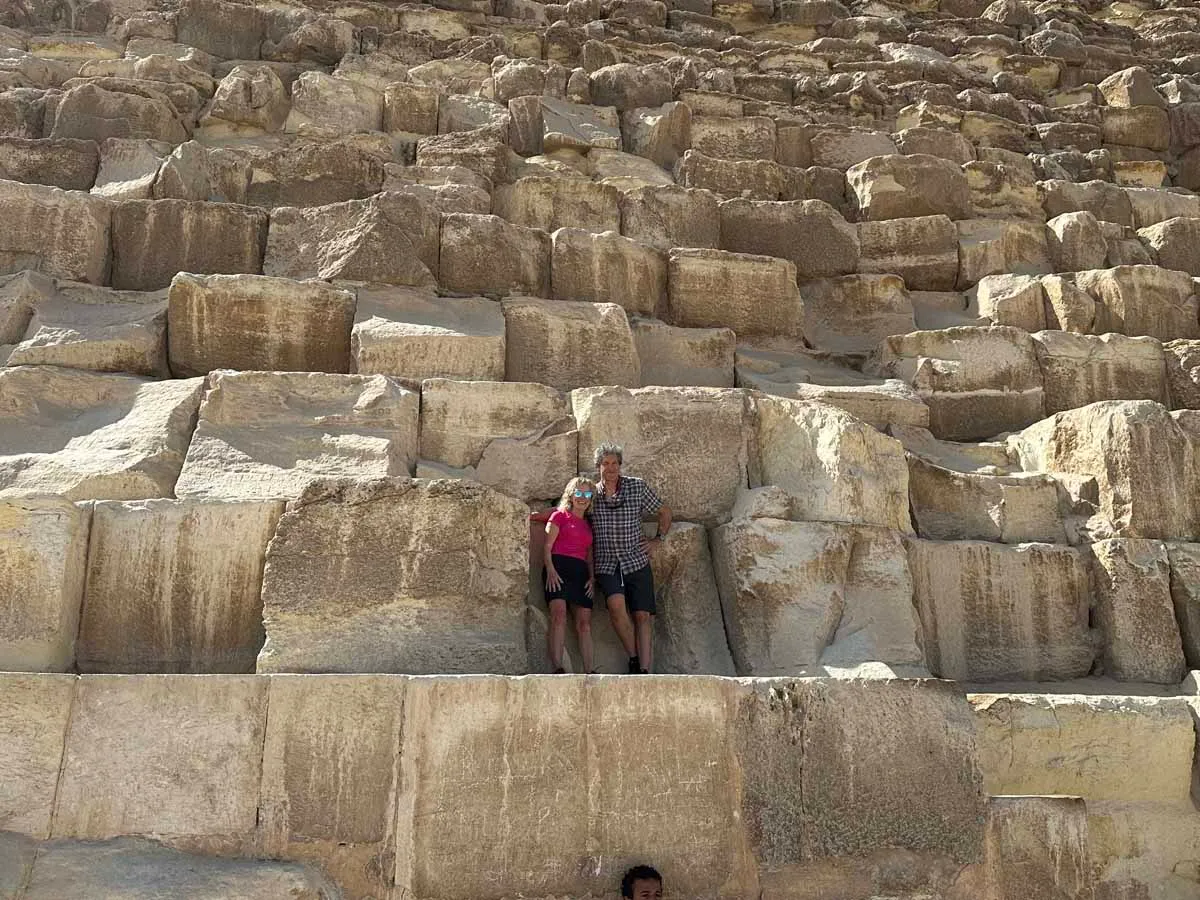
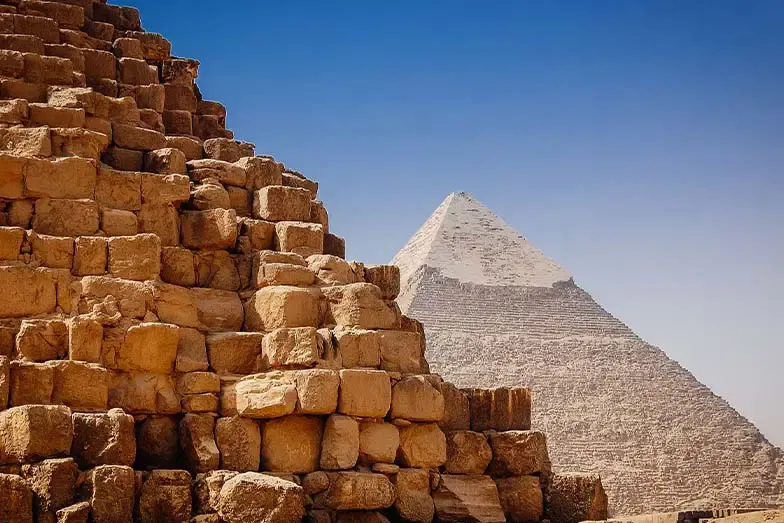
The passages inside the pyramids are narrow, low, steep and often hot and stuffy. They suit people who are comfortable in tight spaces and have no heart or breathing conditions. The interior is mostly bare, so many visitors skip it and spend the time outside instead.
If you are unsure, the outside view is the main experience. See Pyramids of Giza for what each pyramid offers, and a Pyramids tour guide can help you decide.
The Sphinx is near the Valley Temple, and the panorama point gives the classic view of all the pyramids together. These areas are crowded in the middle of the morning, so keep your bag in front of you and your phone secure. Pickpocketing is uncommon but possible in crowds. If someone offers to take your photo, agree on what is expected before they take the camera.
Wind and sand can reduce visibility, and loose ground can be uneven. Wear closed shoes.
The risk: pressure to buy, and inflated prices.
Many tours end with a stop at a papyrus institute, a perfume house or a souvenir shop. Descriptions such as "government approved" are marketing, not a guarantee of quality or price.
For bazaar shopping later, see Khan al Khalili, and plan your wider route with things to do and see in Cairo and attractions in Cairo Egypt.
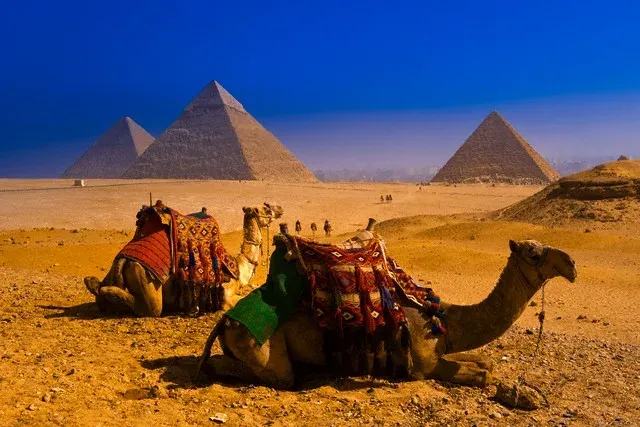
For many visitors, the sun is the biggest risk. The plateau has little shade, and the stone and sand reflect heat.
Season matters. See best time to visit Egypt, and for conditions in the main season, read Egypt in November and Egypt in December. Pack with our Egypt packing list.
Many women visit Giza alone without trouble, but verbal hassle and persistent offers are more common for solo women. Go early, stay in busy areas, dress modestly and consider hiring a guide for the plateau. A female tour guide in Cairo is an option if you prefer one. Our guide to is Egypt safe for women covers more.
Keep children close, and agree on a meeting point in case you get separated. Heat is the main issue, so bring water, hats and a plan for breaks. Strollers struggle on sand and uneven ground. Ask handlers about age limits before any animal ride.
The ground is uneven and sandy, and distances are long. Ask your guide or driver about vehicle access to viewpoints and about the best places to rest. The interior of the pyramids is not suitable for people with mobility or heart problems.
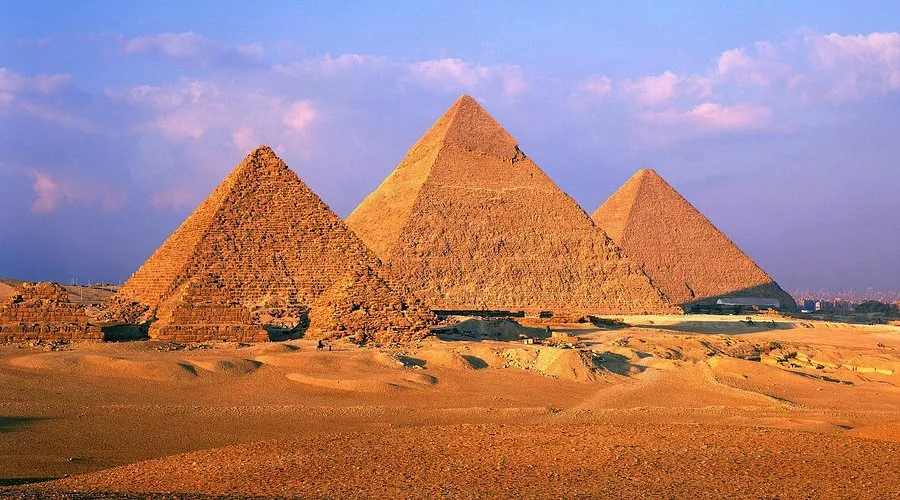
Tour Guides Egypt connects travelers with local tour guides, tour representatives and private drivers across Egypt. For Giza, a Cairo tour guide or Cairo local guide can plan the visit, handle tickets and keep touts away, and a driver can take you door to door.
If you are staying on the Red Sea, see our guide on Hurghada to Giza before planning a long day trip. For help choosing a provider, read best tour operator Egypt, and for the cost of guides, see Egypt tour guide price. If you are weighing support options, see hiring a private guide in Egypt.
You can ask questions or book through WhatsApp, or plan a tailor-made Egypt trip that includes Giza, the Grand Egyptian Museum and the rest of Egypt. Check general entry requirements before you fly.
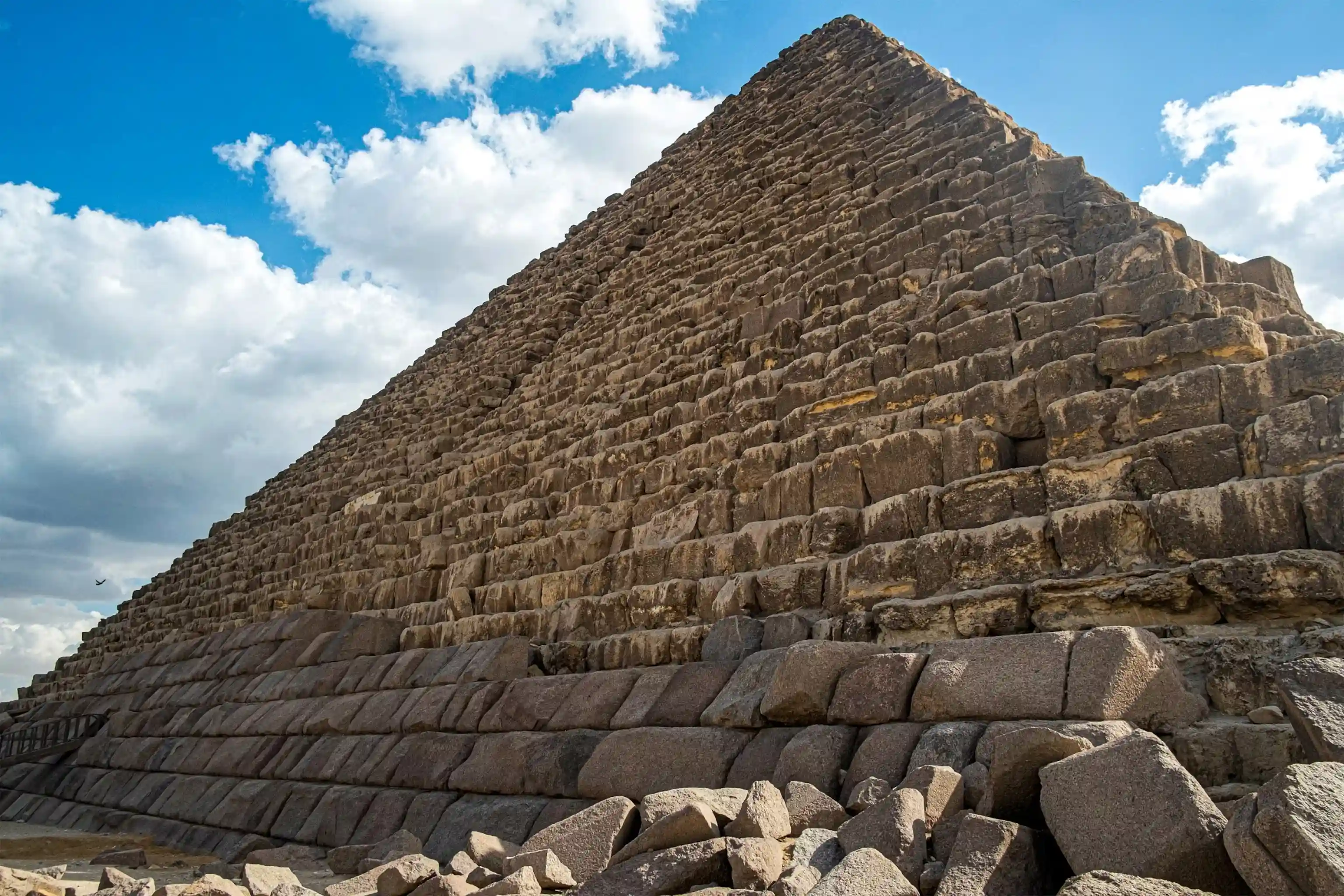
Yes, for most visitors who take normal precautions. Security is visible, tourist police patrol the area, and violent crime against tourists at Giza is rare. The main problems are scams, persistent sellers and heat.
Check your government's current travel advice, which can change. Egypt is generally at a caution level, with stronger warnings for regions far from Giza.
Yes. Millions of tourists visit Cairo and the pyramids each year. Use ride-hailing apps or pre-booked drivers, keep valuables secure, and be aware of scams.
Many women do it without trouble, but hassle is more common. Go early, dress modestly, stay in busy areas and consider a guide.
It is safe for most people, but narrow, steep and hot. It is not suitable for anyone with claustrophobia, heart, breathing or mobility problems.
Overpriced camel and horse rides, "free" photos that turn into demands for money, unofficial guides, taxi drivers who say the site is closed, and shop stops presented as "government approved."
The ride itself is usually safe, but agree the price and duration first. Consider animal welfare when you choose.
Yes, with attention to heat, water and supervision. Avoid the interior with young children.
It is not required, but a licensed guide reduces hassle, handles tickets and gives you context.
Go to a uniformed tourist police officer or the site ticket office, and tell your guide or driver. Contact your hotel if you need help.
Most trouble at Giza comes from not knowing what to say. Save this list on your phone, and use it as needed. Keep your tone calm and polite, and keep walking.
| Situation | Say this |
| Someone offers a camel ride or photo | "No, thank you." In Arabic: "La, shukran." |
| Someone offers to guide you | "No, thank you, I am with a guide." |
| Someone gives you a gift or bracelet | "No, thank you." Hand it back, do not accept it |
| A driver says the site is closed | "I will check at the ticket office." |
| You want to ride a camel | "How much for the whole ride? Is that for one person and the full time?" In Arabic: "Bikam da?" |
| A taxi driver will not use the meter | "Please use the meter, or I will take another taxi." |
| A shop stop appears on your route | "I would like to skip shopping, please." |
| You are being followed or feel uncomfortable | Move to a crowd or a uniformed officer, and say "Tourist police, please." |
Three habits matter more than any phrase. Agree prices before you start. Walk away from pressure without fear of seeming rude. And keep your hotel and driver's phone numbers where you can reach them quickly.
If you would like someone to handle all of this for you, send Tour Guides Egypt a WhatsApp message with your hotel, your date and the size of your group, and we will arrange a licensed guide and a driver for the plateau.

Orange Bay or Paradise Island? Compare beaches, crowds, snorkeling, boat time, price and who each suits t ...

The Citadel of Saladin guide: history, Muhammad Ali Mosque, museums, views, opening hours, dress rules an ...

Is Hurghada worth visiting? Who it suits, who should skip it, where to stay, real costs and how it compar ...
Get Updates & More
@ Copy 2026 Tour Guides Egypt , All rights reserved