Hurghada Tour Guide | 7 Checks Before You Book (From $70/Day)
Hire a Hurghada tour guide from $70/day. A private guide in Hurghada for city tours, Luxor, Cairo and des ...
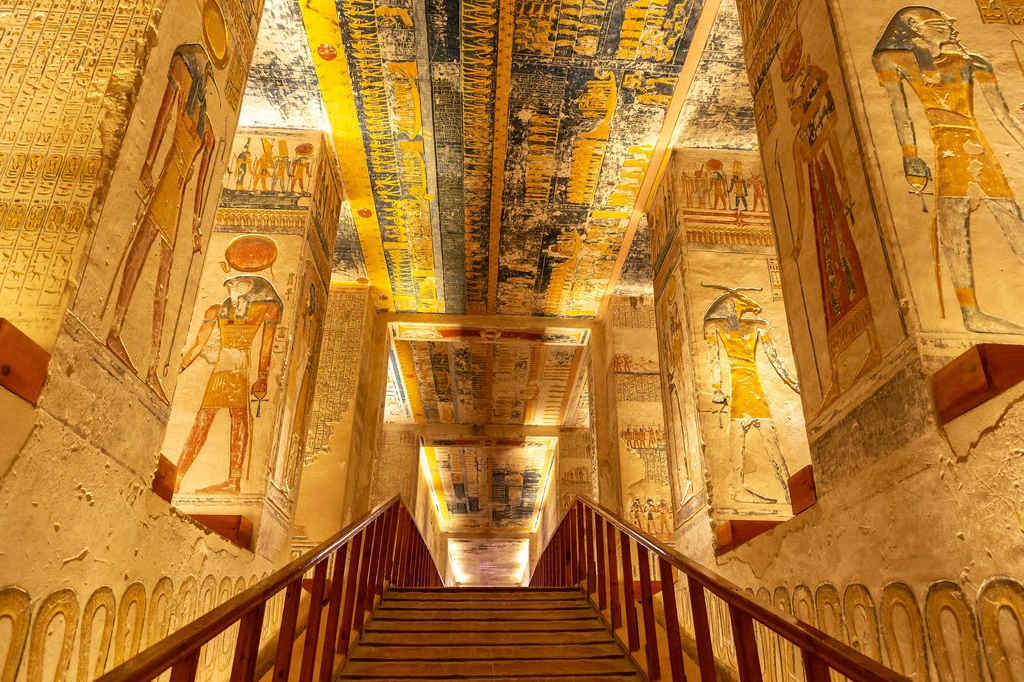
Standing at the entrance to the Valley of the Kings, you're about to step into the burial place of Egypt's most powerful pharaohs. This complete guide covers the Valley of the Kings Luxor — from the tomb of Tutankhamun to the spectacular KV9 of Ramesses VI. Whether you're exploring the Valley of the Kings Egypt for the first time or returning for a deeper dive, this guide helps you navigate the tombs, understand the ticket system, and plan your visit to this UNESCO World Heritage site.
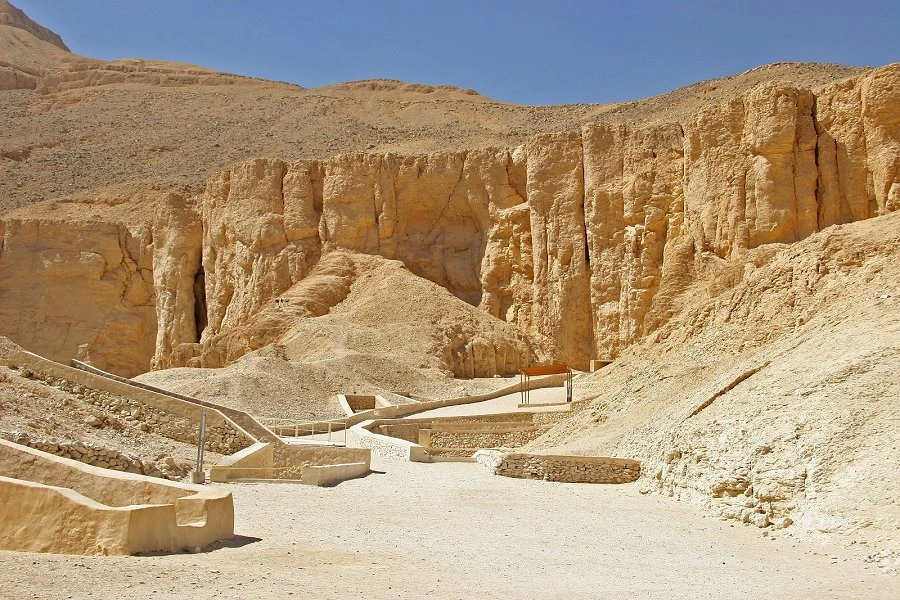
The Valley of the Kings is a narrow desert wadi on the west bank of the Nile, opposite modern‑day Luxor. For nearly 500 years — from around 1539 to 1075 BC — the pharaohs of Egypt's New Kingdom (the 18th, 19th, and 20th Dynasties) were buried here in rock‑cut tombs carved deep into the limestone cliffs.
The site contains 63 known tombs, ranging from simple pits to vast underground complexes. The most famous is KV62, the tomb of Tutankhamun, discovered largely intact by Howard Carter in 1922 — the only royal tomb in the valley to survive antiquity with most of its treasures still in place.
But the Valley of the Kings Luxor is more than just Tutankhamun. It is the resting place of some of Egypt's most powerful rulers: Ramesses the Great, Seti I, Thutmose III, and Amenhotep III, among others. The walls of these tombs are covered with some of the finest surviving art of ancient civilisation — scenes from the Book of the Dead, the Amduat, and other funerary texts that mapped the pharaoh's journey through the underworld to eternal life.
You are not visiting a ruin. You are walking into a 3,300‑year‑old illustrated guide to the afterlife. For more on other ancient sites, check out our guide to the Karnak Temple Complex .
For nearly a thousand years, Egypt's kings were buried beneath pyramids. The Great Pyramid of Khufu at Giza, built around 2560 BC, was the most ambitious structure ever built. By 1550 BC — 1,000 years later — the New Kingdom pharaohs had abandoned the pyramid entirely.
The Practical Reason — Security: Pyramids do not work as security. Every pyramid in Egypt was robbed in antiquity. The very scale that made them magnificent also announced exactly where the treasure was. By the New Kingdom, pharaohs understood that a hidden tomb was a more effective guardian than a visible monument. The remote, enclosed valley — surrounded by cliffs on three sides — offered the secrecy they needed.
The Symbolic Reason — The Natural Pyramid: Look up at the ridge directly above the Valley of the Kings. The peak is called Al‑Qurn — "the horn" — a naturally pyramid‑shaped limestone summit that rises to 420 metres above sea level. The ancient Egyptians believed this peak was a manifestation of the goddess Meretseger ("She Who Loves Silence") and that its pyramid form already expressed divine power without needing to be built. The pharaohs were burying themselves beneath a natural pyramid that they did not have to construct.
The geology also mattered. The Theban limestone here is unusually solid — ideal for cutting large, complex tomb corridors without collapse. The valley is geographically isolated and distant enough from the Nile floodplain to remain dry in most years.
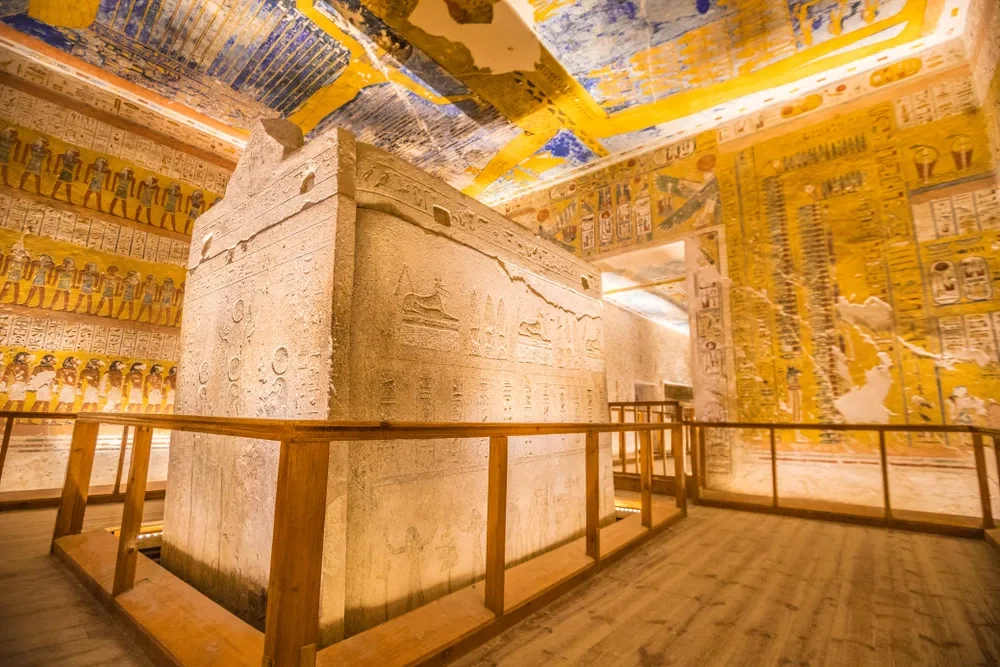
The First Royal Burials: The first New Kingdom ruler confirmed to have been buried in the Valley of the Kings was Thutmose I (c.1504–1492 BC), the third king of the 18th Dynasty. His architect, Ineni, described the project: "I oversaw the excavation of the cliff‑tomb of his Person [the king] in privacy; none seeing, none hearing." Secrecy was paramount.
The Golden Age of Tomb Construction: Over the next 500 years, the Valley of the Kings Egypt became the royal burial ground for almost all the pharaohs of the 18th, 19th, and 20th Dynasties. Tombs evolved from simple corridor tombs with sharp bends (like KV34 of Thutmose III) to complex, multi‑chambered structures with deep shafts and pillared halls — straight‑axis designs that symbolised the journey of the sun god Ra through the underworld.
Tomb Robberies and the Royal Mummy Caches: It did not stay secret. All but one of the 63 known tombs were emptied by robbers during the Third Intermediate Period (1070–664 BC), when Egypt's central authority collapsed and the workers who had built the tombs — and knew exactly where they were — were no longer being paid. The priests eventually gathered the surviving royal mummies into two hidden caches. The Deir el‑Bahri cache, discovered in 1881, contained 40 mummies, including Ramesses II.
For more on Luxor's other attractions, check out our guide to Luxor attractions .
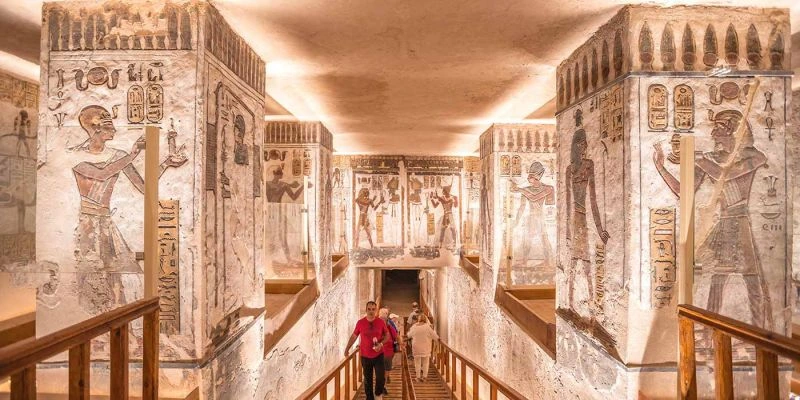
The East Valley and West Valley: The Valley of the Kings Luxor is divided into two main areas: the East Valley and the West Valley. The eastern is by far the more iconic of the two — it contains almost all the royal tombs that visitors come to see. The western valley contains only a handful of tombs, including KV22 (Amenhotep III) and KV23 (Ay).
The KV Numbering System: Tombs in the Valley of the Kings are assigned a numerical KV (for "Kings' Valley") designation in the order of their discovery. The system was established by John Gardner Wilkinson in 1827, who numbered the 21 tombs known to him. Today, the numbering runs from KV1 to KV65, with gaps for tombs that were later renumbered or never found. The most recent discoveries — KV63 and KV64 — were found in 2005 and 2012, proving the valley still holds secrets.
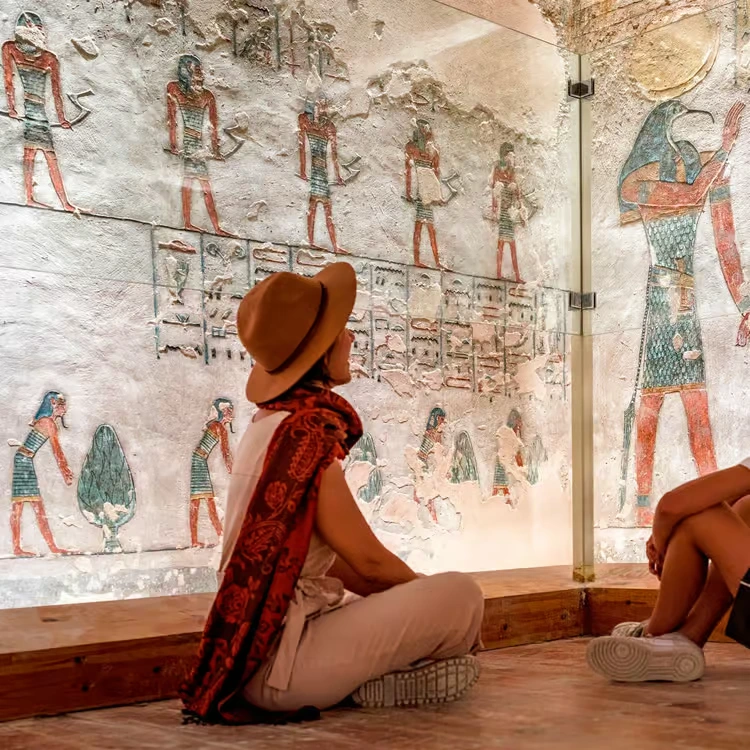
Your standard ticket gives you entry to three tombs of your choice from a rotating selection. The selection changes — typically 8–12 tombs are open on any given day. Here is how to choose.
For more information on ticket prices and guided tours, check out our guide to Luxor tour guide prices .
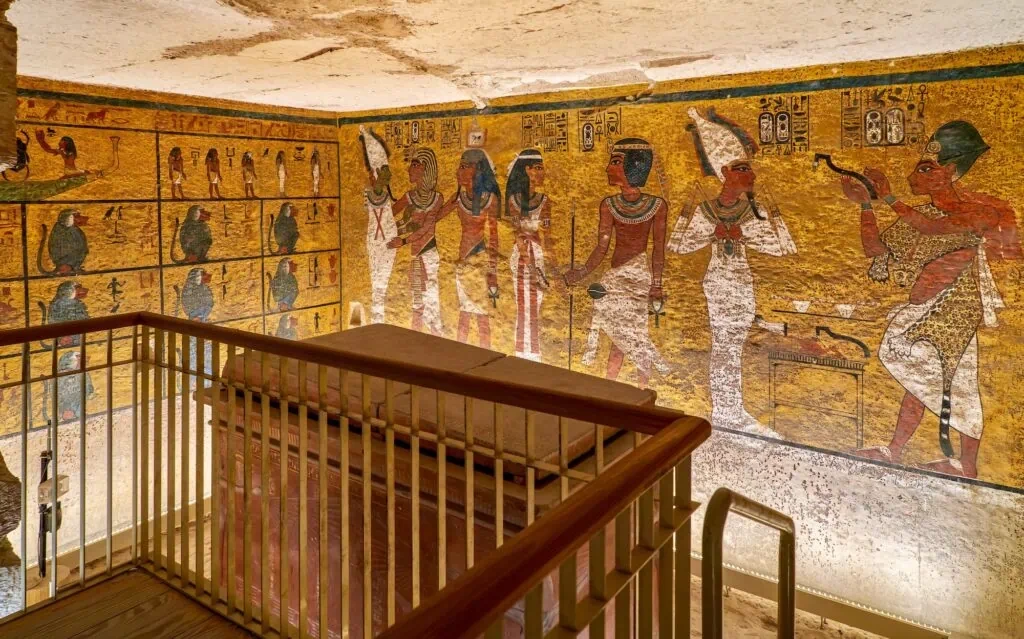
Standard Entry Fees: The standard entry ticket to the Valley of the Kings costs 750 EGP (approximately $15‑16 USD), which allows entry to three tombs of your choice.
Extra Ticket Tombs:
Prices are estimates based on mid‑2026 exchange rates and may change.
Opening Hours:
Open daily.
Photography Permits: Photography is generally banned inside the tombs. No flash photography is permitted. In some cases, phone photos without flash are allowed, but this depends on the tomb and the current regulations. Always ask your guide or the site staff before taking any photos inside the tombs.
For more information on planning your trip, check out our guide to the best time to visit Egypt .
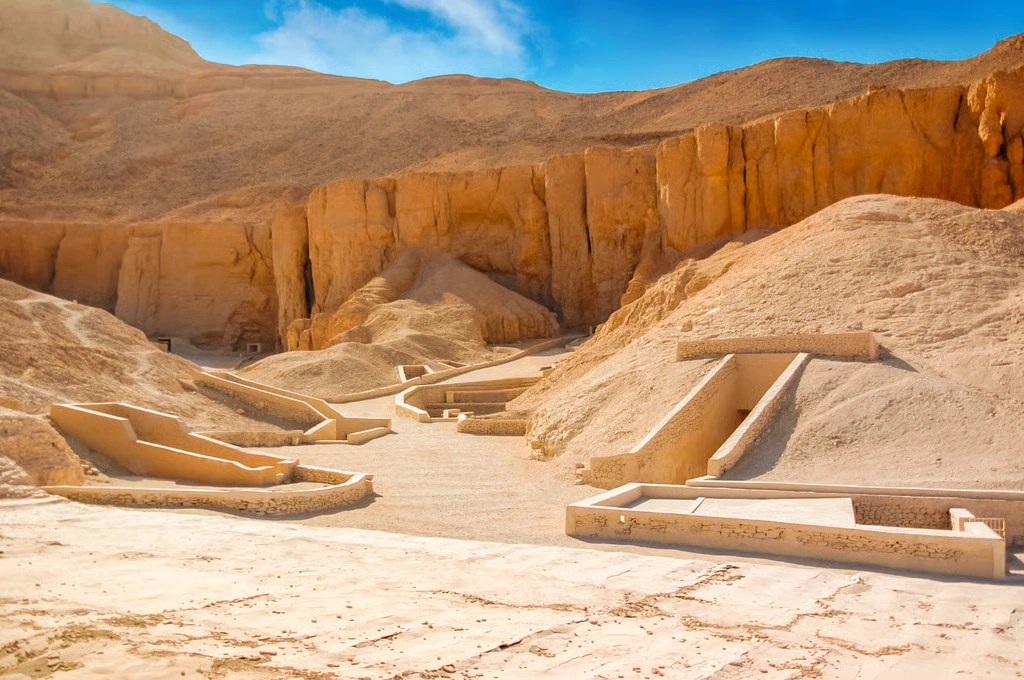
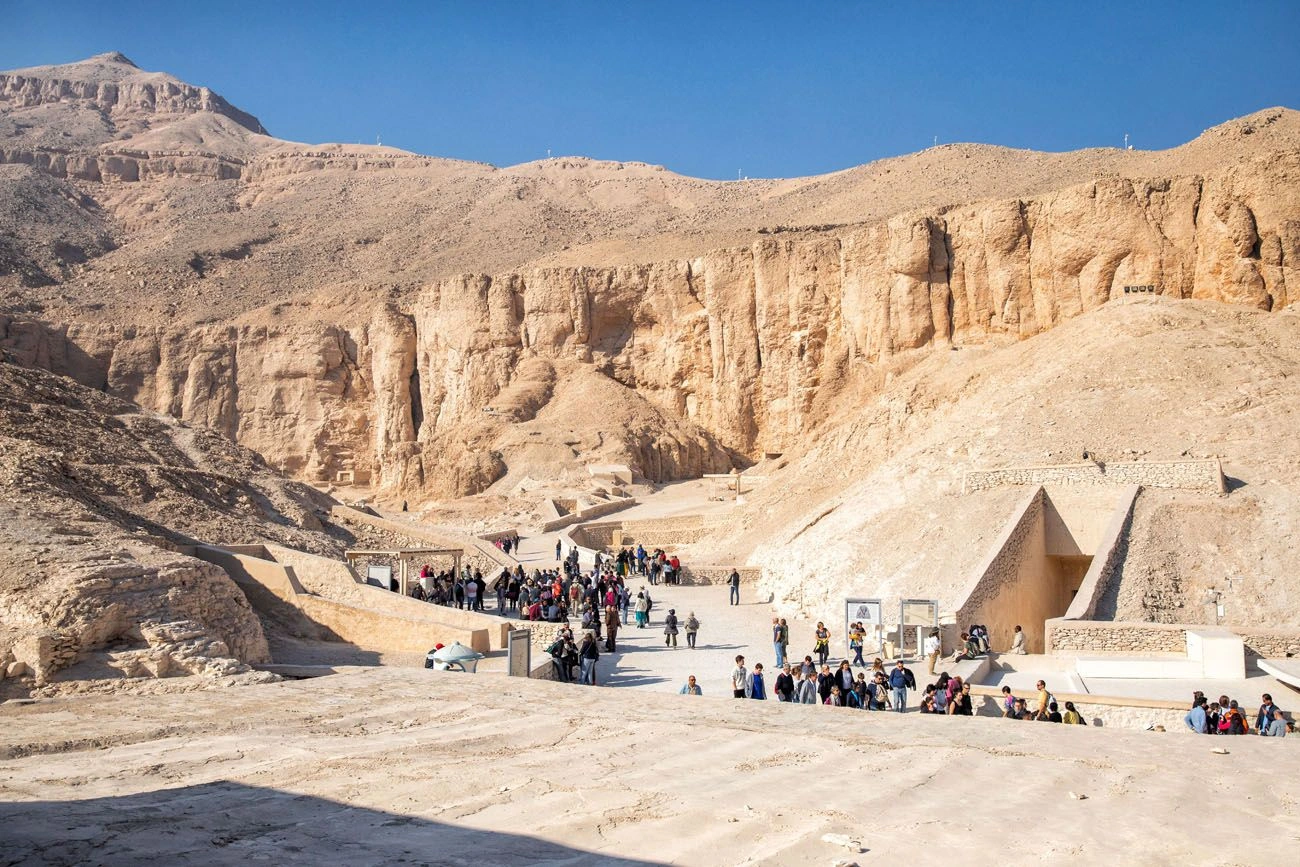
The best time to visit the Valley of the Kings Luxor is early morning — arrive at 6:00 AM when the gates open. This helps you beat the crowds and enjoy a much quieter visit.
Why early morning:
Best months: October to April offers the most comfortable temperatures for exploring the valley. Summer months (June–August) can be extremely hot — the valley is exposed and temperatures regularly exceed 40°C.
For more on the best time to visit Egypt overall, check out our guide to the best time to visit Egypt .
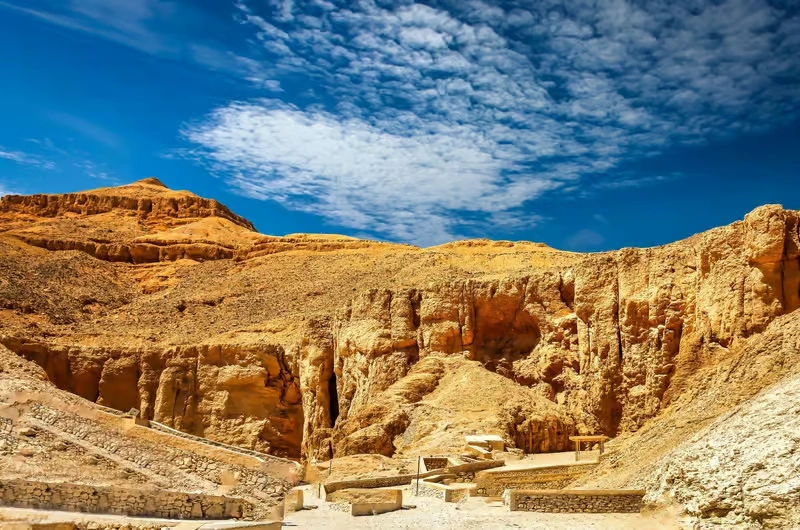
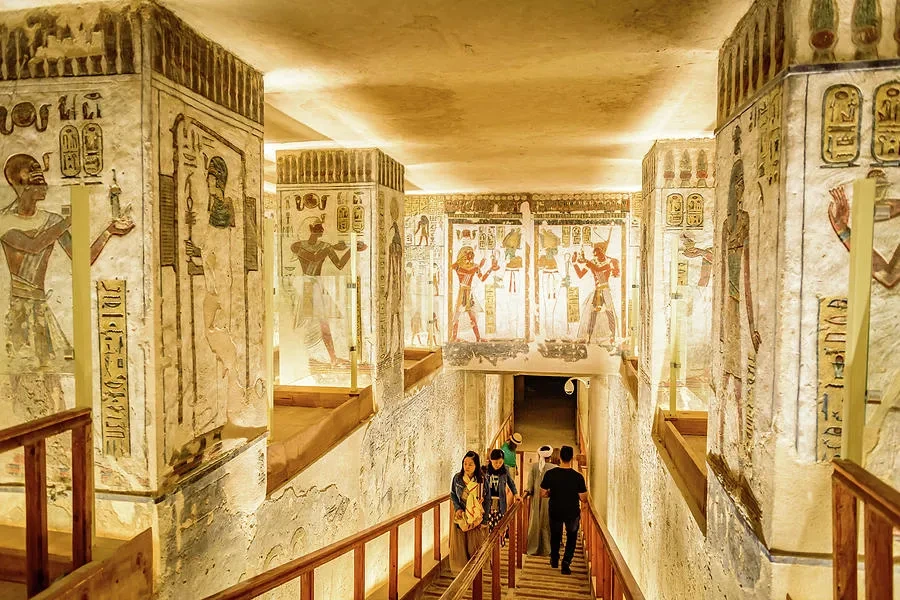
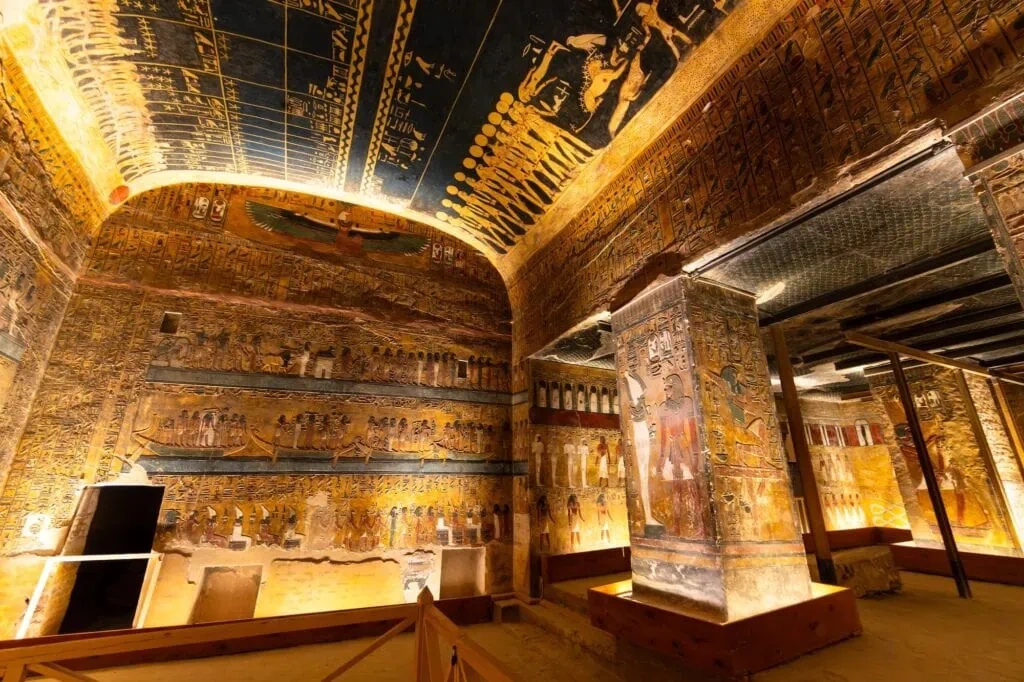
The Valley of the Kings is not a place you simply see — it is a place you experience. Standing at the entrance to KV9, the astronomical ceiling stretching above you, or descending into the burial chamber of Tutankhamun, you feel the weight of 3,000 years of history. The Valley of the Kings Egypt is the final resting place of some of the most powerful rulers in human history — and the art they left behind is among the finest ever created.
But the valley can be overwhelming. Sixty‑three tombs. A rotating selection of open tombs. Extra tickets for the most famous ones. The heat, the crowds, the steep stairs. Without a plan, you can easily waste time and miss the best parts. That's where having the right local partner makes all the difference.
Tour Guides Egypt connects you with trusted local professionals who know the Valley of the Kings Luxor inside out. Our Local Tour Guides are licensed Egyptologists who bring the tombs to life — decoding the texts from the Book of the Dead, explaining the symbolism of the astronomical ceilings, and pointing out details you would never notice on your own. Our Tour Representatives handle logistics — tickets, transfers, and timing — so you can focus on the experience. And when you need to move between the valley and other West Bank sites, our Private Drivers provide comfortable, reliable transportation.
For travelers who want to combine the Valley of the Kings with other Luxor highlights — the Karnak Temple Complex , Luxor attractions , and a hot air balloon ride over Luxor — we can help you design a comprehensive itinerary. You can also plan a tailor-made Egypt trip that combines the valley with Cairo, Aswan, and the Nile.
Ready to explore the Valley of the Kings? Reach out to us on [WhatsApp] for instant support — our team is ready to answer your questions about the Valley of the Kings, customize your itinerary, and turn your Egyptian dream into reality. The tombs of the pharaohs are waiting — and we're here to help you discover them.
Q: What is the Valley of the Kings?
A: The Valley of the Kings is a narrow desert valley on the west bank of the Nile in Luxor, Egypt. It served as the royal burial ground for pharaohs of the New Kingdom (18th, 19th, and 20th Dynasties) for nearly 500 years, from around 1539 to 1075 BC.
Q: Where is the Valley of the Kings located?
A: The Valley of the Kings Luxor is located on the west bank of the Nile, approximately 10 km from central Luxor. It is part of the ancient city of Thebes and the UNESCO World Heritage site of the Theban Necropolis.
Q: How many tombs are in the Valley of the Kings?
A: There are 63 known tombs in the Valley of the Kings Egypt, ranging from small pit tombs to vast underground complexes with over 120 corridors and chambers.
Q: How much does it cost to visit the Valley of the Kings?
A: The standard entry ticket costs 750 EGP (approximately $15‑16 USD) and allows entry to three tombs of your choice. Extra tickets are required for Tutankhamun's tomb (400 EGP) and Seti I's tomb (1,000 EGP) when open.
Q: What are the opening hours of the Valley of the Kings?
A: The Valley of the Kings is open daily from 6:00 AM to 5:00 PM in summer and 6:00 AM to 4:00 PM in winter. Last entry is 1 hour before closing.
Q: Can I take photos inside the tombs?
A: Photography is generally banned inside the tombs. No flash photography is permitted. Phone photos without flash may be allowed in some tombs — always check with your guide or site staff.
Q: Which tombs should I visit in the Valley of the Kings?
A: The top tombs to visit are KV9 (Ramesses VI) for its spectacular astronomical ceiling, KV11 (Ramesses III) for its length and well‑preserved decoration, KV62 (Tutankhamun) for its historical significance (extra ticket), and KV17 (Seti I) for the finest reliefs in the valley (extra ticket, when open).
Q: What is the best time to visit the Valley of the Kings?
A: The best time to visit the Valley of the Kings Luxor is early morning at 6:00 AM when the gates open. This helps you beat the crowds, avoid the midday heat, and get the best light for photography.
Q: Is the Valley of the Kings worth visiting?
A: Absolutely. The Valley of the Kings is one of the most extraordinary archaeological sites on Earth. The painted walls inside the tombs are among the finest surviving works of ancient Egyptian civilisation.
Q: How long do I need to visit the Valley of the Kings?
A: Allow 2–3 hours for the valley alone. If you're visiting other West Bank sites (the Valley of the Queens, Hatshepsut's temple, the Colossi of Memnon), plan for 5–6 hours.
Q: Do I need a guide to visit the Valley of the Kings?
A: While it's possible to visit independently, a licensed Egyptologist guide transforms the experience. The Valley of the Kings Egypt is layered with meaning that is invisible without explanation. For more on guide costs, check out our guide to Egypt tour guide price .
Q: Is the Valley of the Kings safe for tourists?
A: Yes. The Valley of the Kings Luxor is a well‑established tourist destination with a strong security presence. As with any travel destination, exercise standard precautions and follow the guidance of your guide or local authorities.

Hire a Hurghada tour guide from $70/day. A private guide in Hurghada for city tours, Luxor, Cairo and des ...

Book a Marsa Alam tour guide from $70/day. Private guide in Marsa Alam for Luxor, Edfu, Wadi el Gemal and ...

Hire a Giza tour guide from $70/day. Book a licensed private guide in Giza for the Pyramids, Sphinx and G ...
Get Updates & More
@ Copy 2026 Tour Guides Egypt , All rights reserved