
Aswan Tour Guide Tips | How to Hire the Right Guide in Aswan in 2026
Learn how to hire the right Aswan Tour Guide. Compare prices, verify licenses, and book a private guide A ...
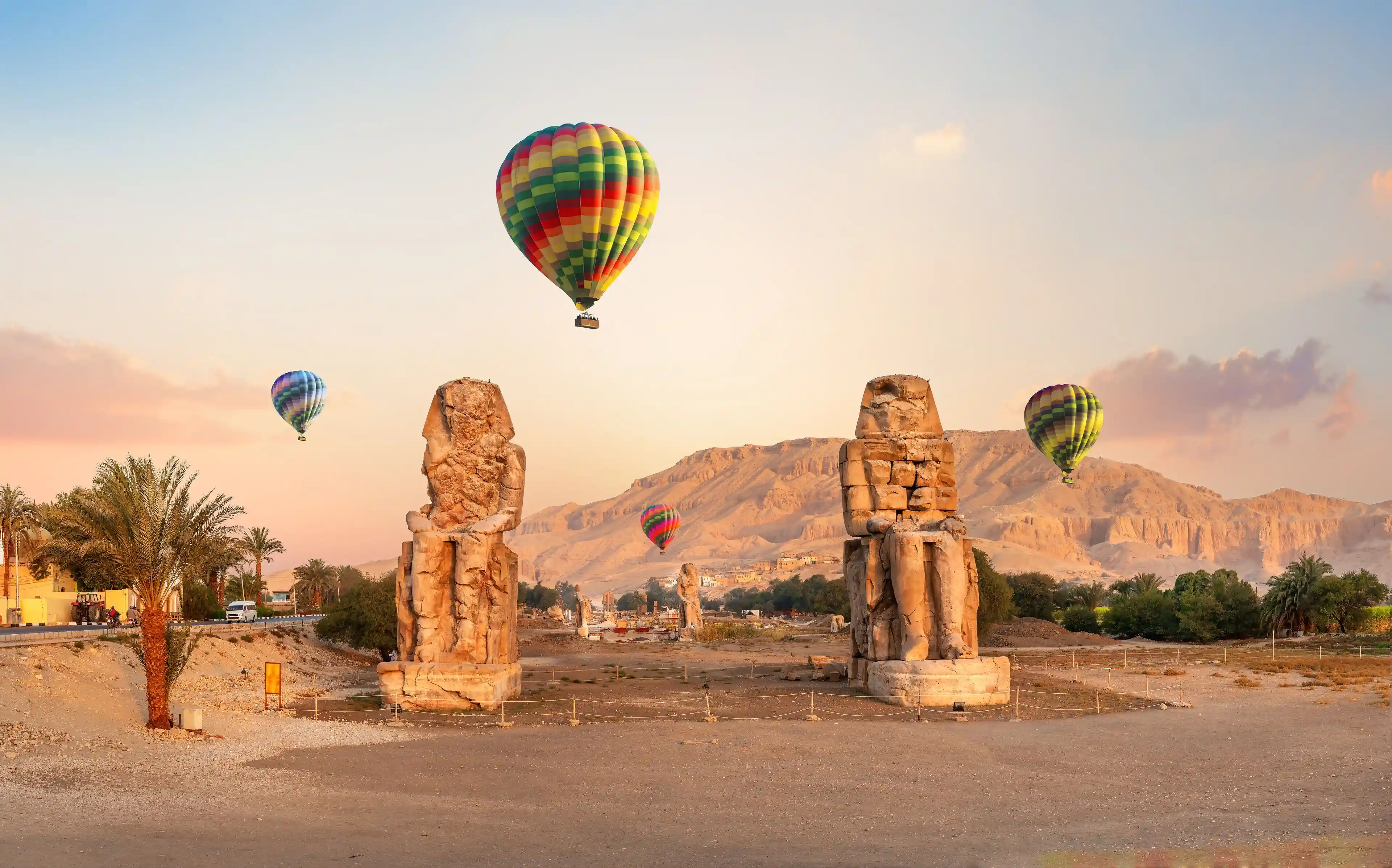
Wondering is Luxor worth visiting in 2026? This honest guide covers the Valley of the Kings, Karnak Temple, costs, safety, and how to decide if Luxor Egypt is worth visiting for your trip. Whether you're asking is Luxor worth it for history, culture, or that classic Nile experience, this guide helps you decide — and why it might just be the highlight of your Egyptian adventure.
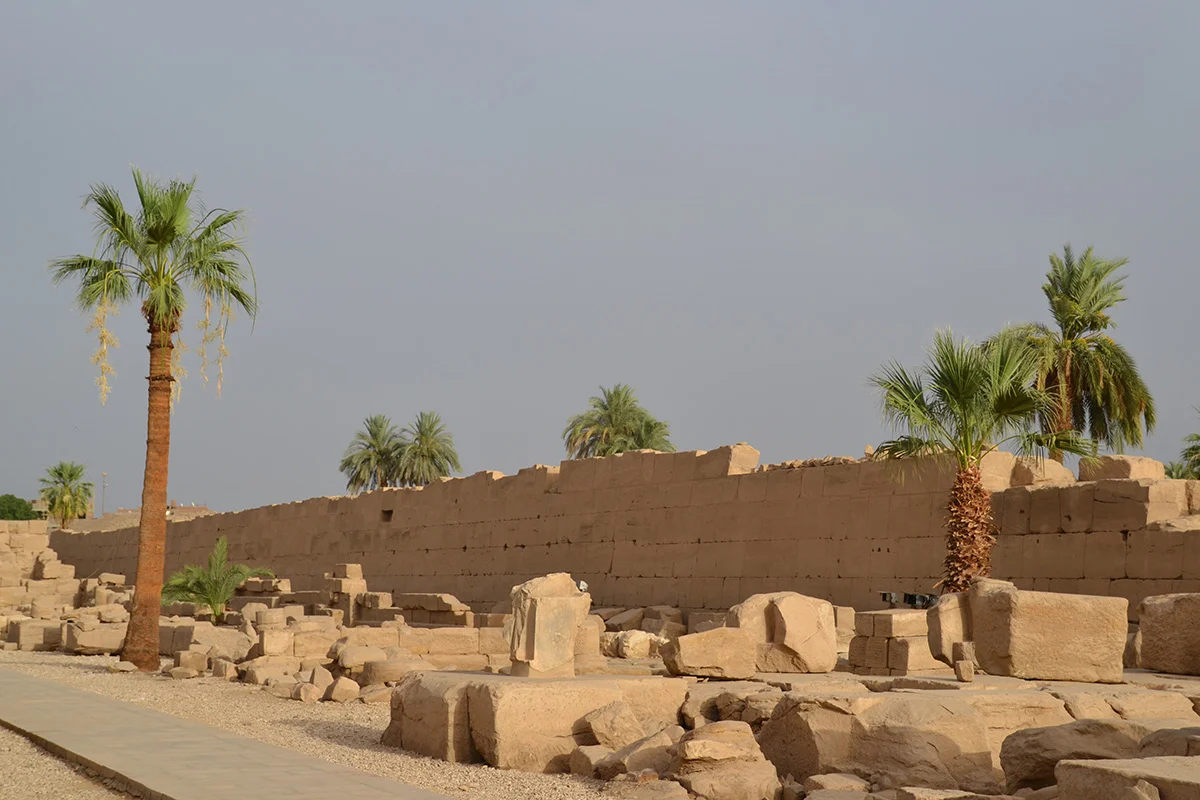
Yes — Luxor is absolutely worth visiting. In fact, for many travelers, Luxor is the highlight of their entire Egypt trip.
If you're asking "is Luxor worth visiting" for history, culture, and the sheer scale of ancient Egyptian civilisation, the answer is a resounding yes. Luxor is often called the world's greatest open-air museum — and for good reason. It sits on the site of ancient Thebes, the capital of Egypt during the New Kingdom, and is home to some of the most extraordinary archaeological sites on earth.
But the answer depends on what you want from your Egypt trip. If you're looking for the grand scale of the Pyramids of Giza, Cairo delivers that. If you want a more intimate, Nile-focused experience with a slower pace and extraordinary temples and tombs, Luxor Egypt is worth visiting — and you'll likely leave wondering why you didn't spend more time here.
Luxor is worth it for travelers who appreciate:
For many travelers, is Luxor worth visiting isn't even a question — it's the reason they came to Egypt in the first place.
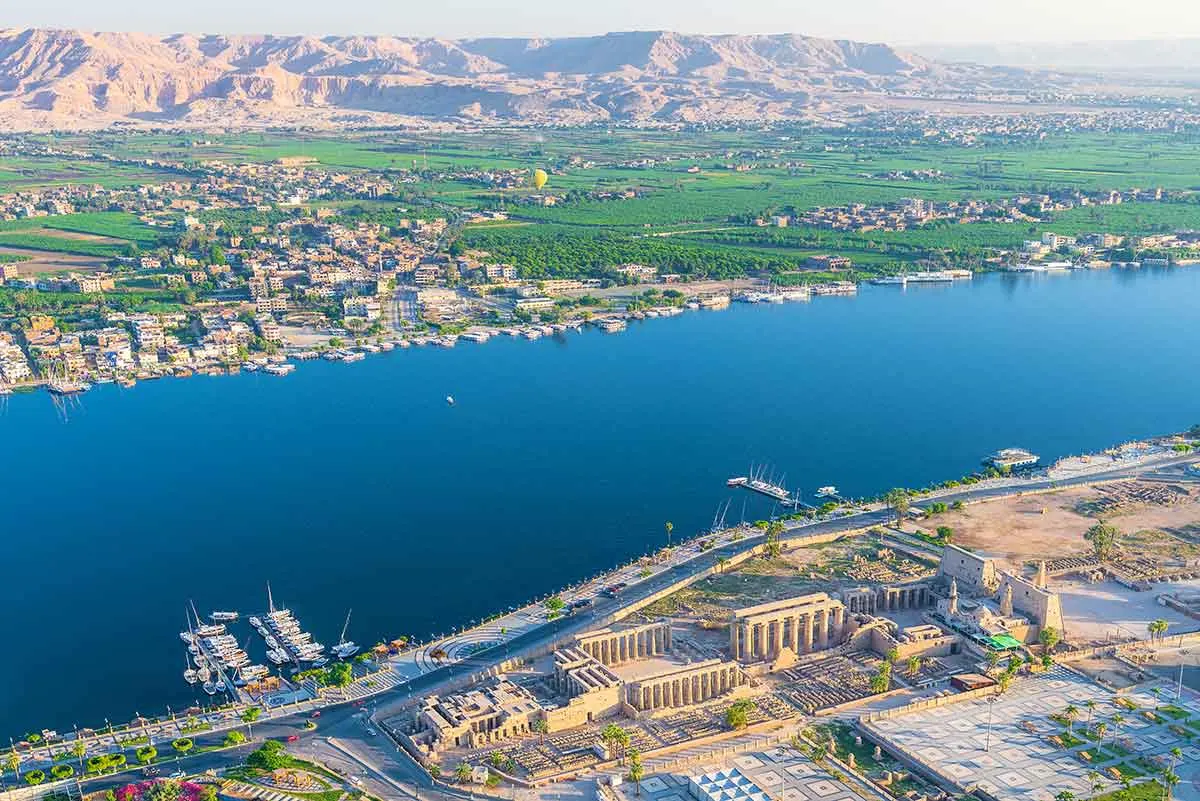
Luxor is not a city with a few ancient sites — it is a city built on top of ancient Thebes, the capital of Egypt during the New Kingdom (c.1550–1070 BC). The pharaohs of the 18th, 19th, and 20th Dynasties built their temples, tombs, and palaces here, creating a concentration of ancient monuments that is unmatched anywhere in the world.
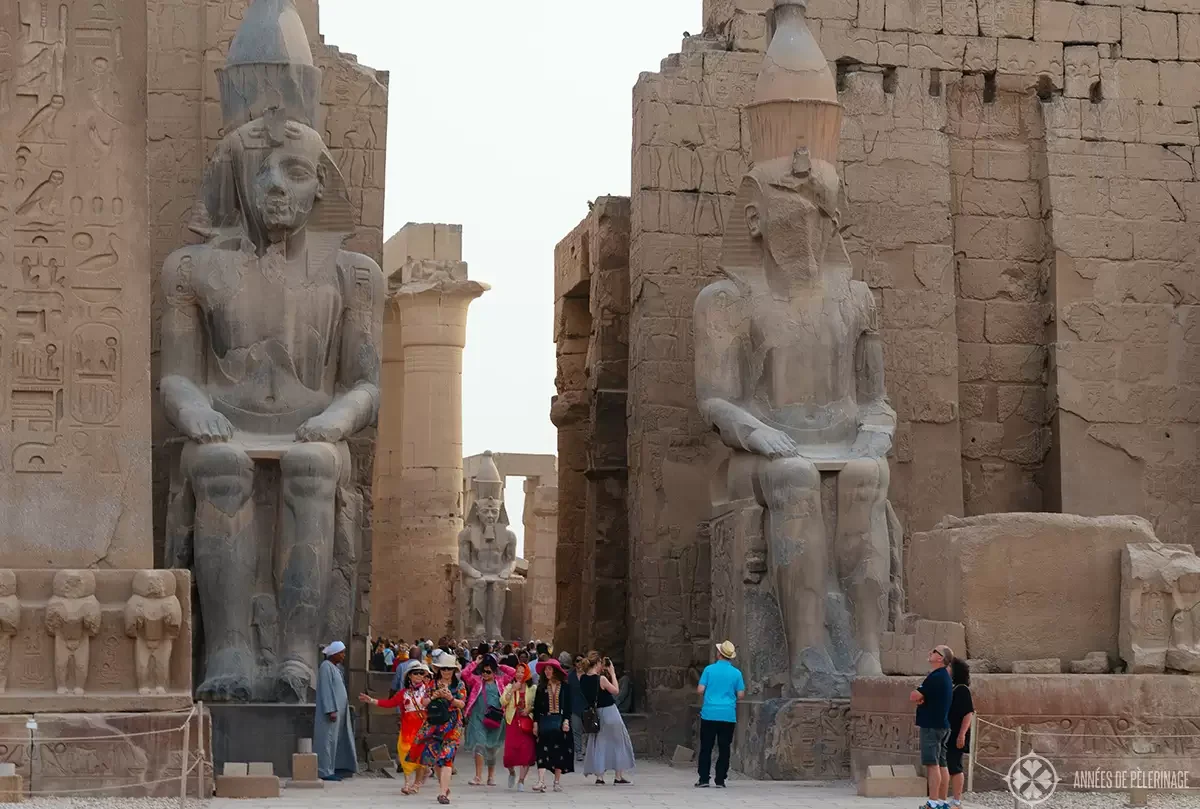
What makes Luxor truly special is the sheer density of history. On the East Bank, you have the vast Karnak Temple Complex and the beautifully preserved Luxor Temple. On the West Bank, you have the Valley of the Kings, the Valley of the Queens, the Temple of Hatshepsut, and the Colossi of Memnon. You can spend days exploring these sites and still feel like you've only scratched the surface.
Unlike the frenetic energy of Cairo or the tranquil oasis of Aswan, Luxor offers a deep, immersive dive into ancient Egyptian civilisation that is unmatched anywhere else on Earth. This is why Luxor Egypt is worth visiting for anyone with even a passing interest in history.
Luxor is divided by the Nile into two distinct areas:
This division between the "living" and the "dead" is one of the most striking aspects of Luxor and gives the city a unique character that no other Egyptian city can match.
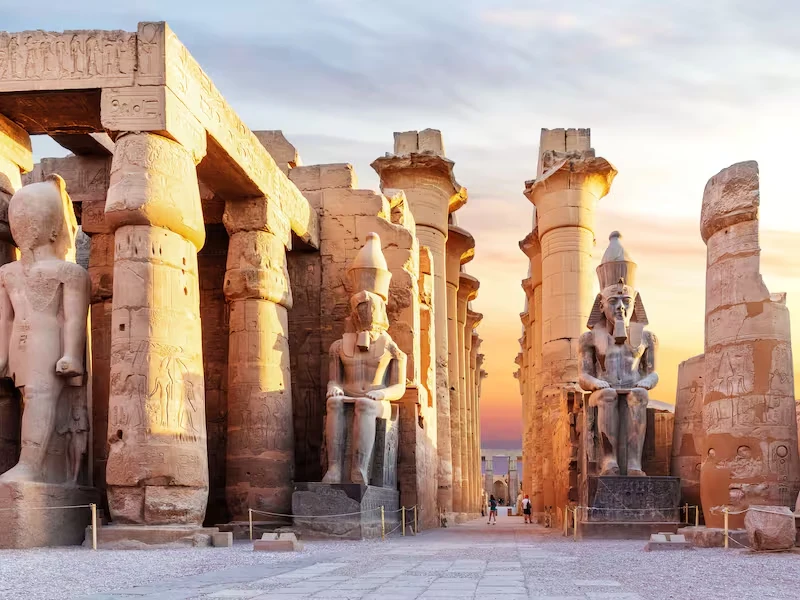
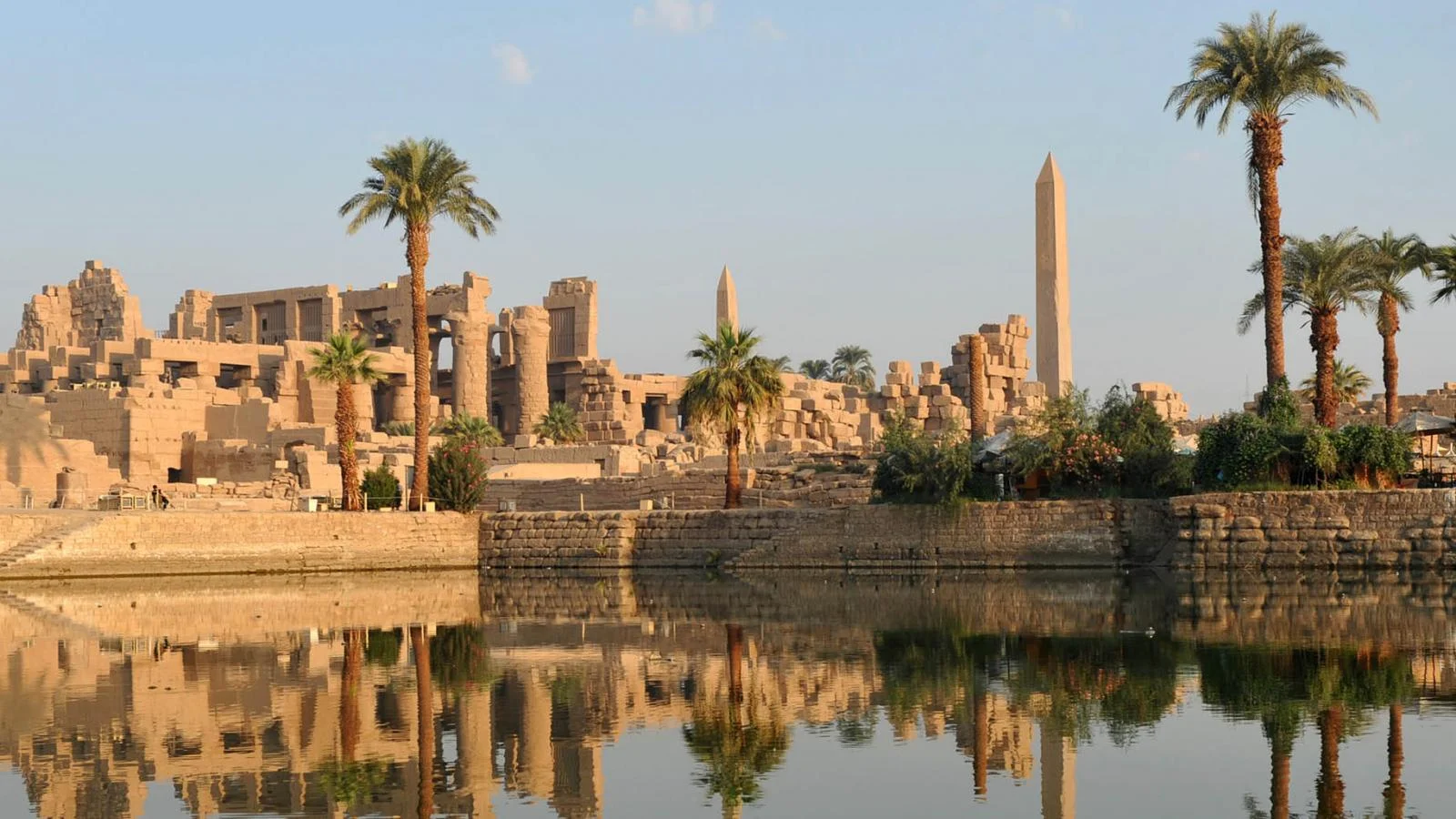
The Karnak Temple Complex is the largest religious complex ever built — a vast, sprawling site on the East Bank of the Nile that was constructed over a period of 1,000 years. It is the second-largest ancient religious site in the world, after Angkor Wat in Cambodia, and is one of the most impressive ancient sites in Egypt.
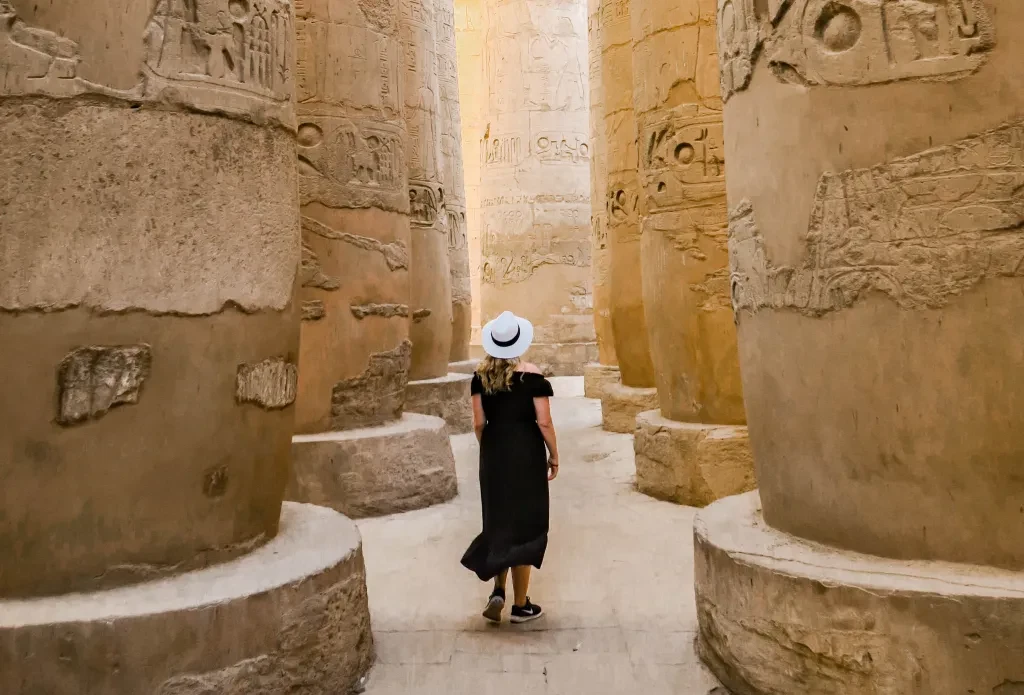
What makes Karnak so extraordinary is its scale and its history. Every pharaoh who ruled during the New Kingdom added something to Karnak — a pylon, a hall, an obelisk, a chapel. The result is a complex that spans 2,000 years of Egyptian history. The Great Hypostyle Hall, with its 134 massive columns, is one of the most awe-inspiring spaces in the world.
Best time to visit: Early morning (6:00 AM) to avoid the heat and the crowds.
The Valley of the Kings is the burial place of Egypt's most powerful pharaohs — including Tutankhamun, Ramesses II, and Seti I. For nearly 500 years, the pharaohs of the New Kingdom were buried here in rock-cut tombs carved deep into the limestone cliffs.
The valley contains 63 known tombs, ranging from simple pits to vast underground complexes. The most famous is KV62, the tomb of Tutankhamun, discovered largely intact by Howard Carter in 1922.
Best time to visit: Early morning (6:00 AM) for cooler temperatures and fewer crowds. The valley has very little shade and can be extremely hot by midday.
The Luxor Temple is one of Egypt's most beautiful and atmospheric temples, dedicated to the rejuvenation of kingship. Built by Amenhotep III and extended by later rulers including Tutankhamun and Ramesses II, this relatively compact temple is the perfect place to begin your Luxor exploration.
What makes Luxor Temple truly special is the nighttime experience. As the sun sets, the temple comes alive under golden lights, revealing a breathtaking magic. The illuminated columns and statues create a dreamlike atmosphere that is completely different from the daytime experience.
Best time to visit: Late afternoon or evening, when the temple is lit up.
The Colossi of Memnon are two massive stone statues of Pharaoh Amenhotep III, standing 18 metres (60 feet) tall. They have guarded the Theban Necropolis for over 3,400 years and are one of the most iconic sights on the West Bank.
A felucca ride on the Nile in Luxor is a quintessential Egyptian experience. These traditional wooden sailing boats offer a peaceful escape, with stunning views of the city's skyline and the desert beyond. For more information, check out our guide to felucca ride Luxor prices .
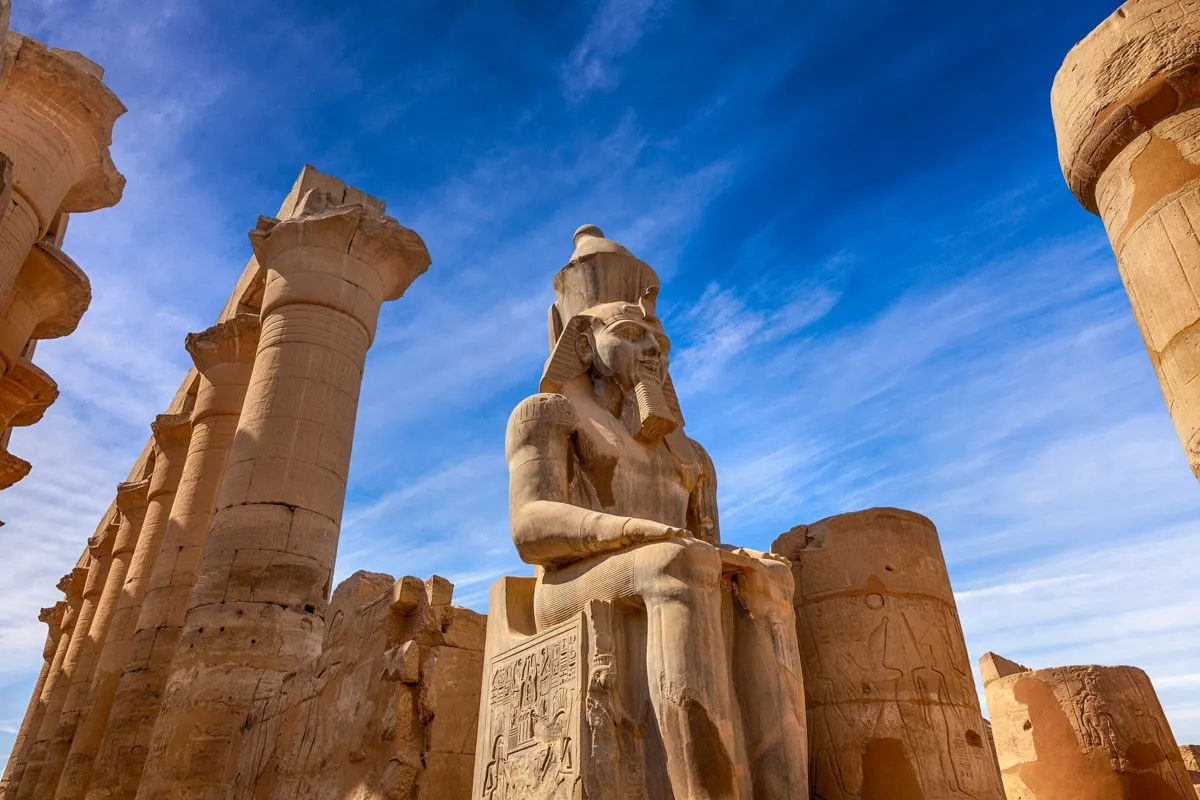
One of the most common questions travelers ask is whether to visit Luxor or Aswan. The honest answer is: do both if you can. But if you have to choose, here's how they compare.
Luxor offers a deep, immersive dive into ancient Egyptian civilisation. The city is home to the Valley of the Kings, Karnak Temple, Luxor Temple, and the Colossi of Memnon. It is the world's greatest open-air museum and delivers pharaonic monuments on a civilisation scale. Luxor wins on archaeological density — there's simply more to see in terms of ancient monuments and tombs.
Aswan, on the other hand, is far more relaxed and smaller than Luxor. It offers a more intimate Nile experience, with impressive sights nearby and a far more authentic souq than the tiny one in Luxor. The Nile at Aswan is very picturesque and quite a different experience than Luxor. Aswan is the hassle-free alternative to Luxor with an equally or even more beautiful Nile.
The bottom line: Luxor wins on archaeological density. Aswan wins on atmosphere, authenticity, and a more relaxed pace. Many travelers say Luxor is the highlight of their Egypt trip, but Aswan offers a welcome break from the intensity. If you have time, visit both — they complement each other perfectly.
For more on Aswan, check out our guides to Aswan attractions and is Aswan worth visiting .
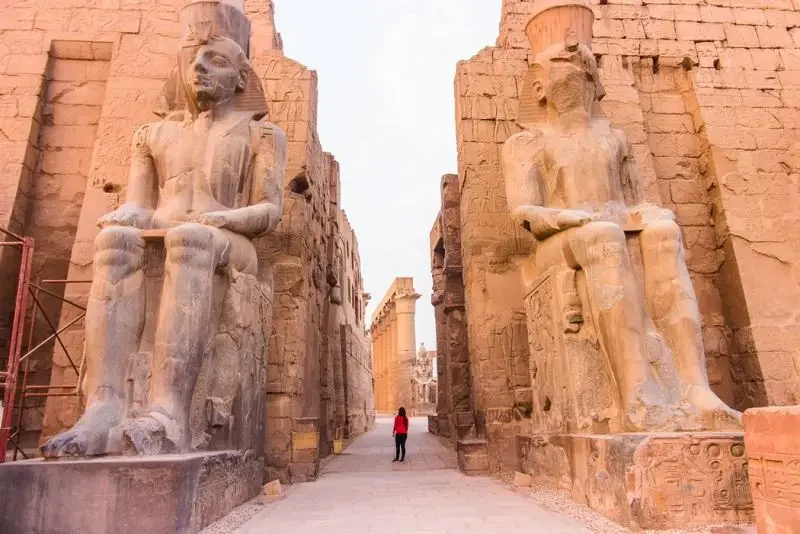
Most travelers spend 2–3 days in Luxor to experience the main attractions.
For travelers on a Nile cruise, you'll typically have one full day in Luxor plus a morning departure.
For more information on Luxor's attractions, check out our guide to Luxor attractions .
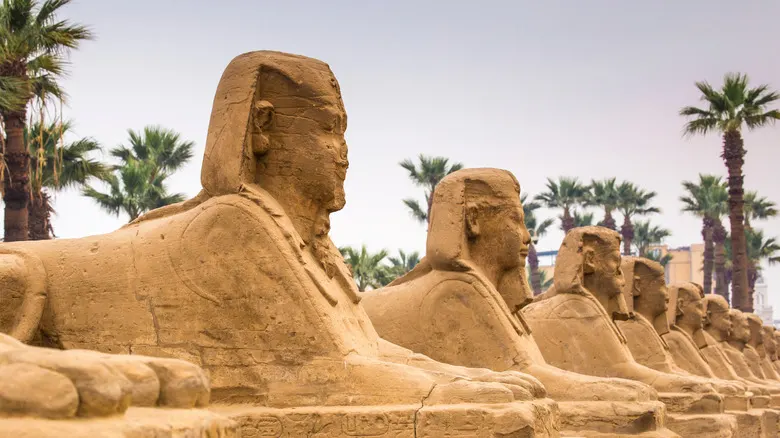
The best time to visit Luxor is October to April, when temperatures are comfortable for outdoor sightseeing.
Best months: November to March offer the most comfortable temperatures. For the best balance of weather and fewer crowds, aim for March or November.
For more on timing, check out our guide to the best time to visit Egypt .
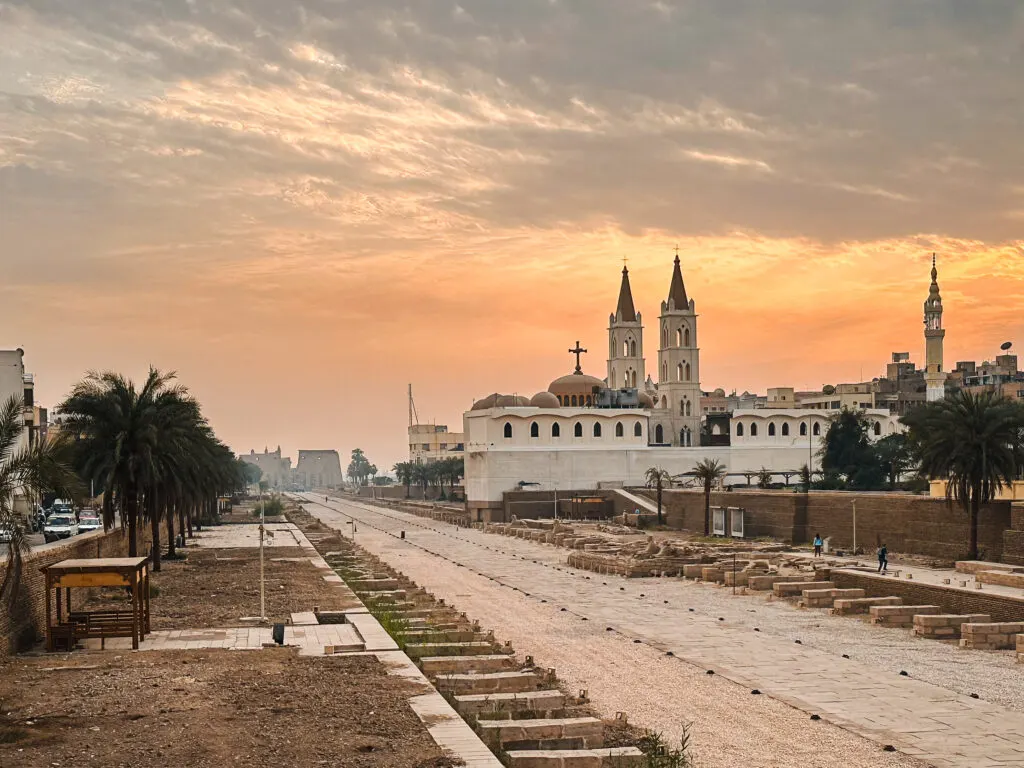
Yes — Luxor is safe for tourists. The city is generally considered one of the safest tourist destinations in Egypt.
Key points:
Standard precautions apply:
For more on safety, check out our guide to is it safe to go to Egypt right now .
Packing for Luxor requires preparation for both the sun and the cultural context:
Essentials:
Check our Egypt packing list for more details.
Is Luxor worth visiting? That's the honest answer from travelers who have experienced its extraordinary temples, its royal tombs, and its timeless Nile views. It's the city where the ancient world feels closest, where the scale of history is overwhelming, and where the spirit of the pharaohs still lingers. But the question isn't just whether Luxor Egypt is worth visiting — it's how to experience it properly.
The difference between a good visit and an unforgettable one often comes down to timing, guidance, and local knowledge. When to arrive at Karnak to avoid the crowds? Which tombs to choose in the Valley of the Kings? What time to take a hot air balloon ride over the West Bank? These are the details that transform a visit into a memory.
Tour Guides Egypt connects you with trusted local professionals who know Luxor inside out. Our Local Tour Guides are licensed Egyptologists who bring the city's history to life — decoding hieroglyphs at Karnak, explaining the symbolism of the Valley of the Kings, and sharing the stories of the pharaohs who built these monumental temples and tombs. Our Tour Representatives handle logistics — airport transfers, hotel coordination, and the countless details that make a trip seamless. And when you need to move between the East Bank and the West Bank, our Private Drivers provide comfortable, reliable transportation.
Whether you're planning a multi-day exploration of Luxor's attractions, combining your visit with a Nile cruise, or creating a comprehensive Egypt itinerary, we're here to help. You can plan a tailor-made Egypt trip that fits your interests, your schedule, and your budget.
For more inspiration, check out our guides to the best tombs to visit in the Valley of the Kings , Luxor tour guide prices , and best hotels in Luxor .
Ready to discover why Luxor is worth visiting? Reach out to us on [WhatsApp] for instant support — our team is ready to answer your questions about is Luxor worth visiting, customize your itinerary, and turn your Egyptian dream into reality. The ancient wonders of Luxor are waiting — and we're here to help you discover them.
Q: Is Luxor worth visiting in 2026?
A: Yes — Luxor is worth visiting in 2026. It is one of the most extraordinary archaeological sites on Earth, home to the Valley of the Kings, Karnak Temple, and Luxor Temple.
Q: Is Luxor Egypt worth visiting instead of Cairo?
A: Both are essential. Cairo is home to the Pyramids of Giza and the Egyptian Museum. Luxor Egypt is worth visiting for the Valley of the Kings, Karnak Temple, and the classic Nile experience. Ideally, visit both.
Q: How many days do I need in Luxor?
A: Most visitors spend 2–3 days in Luxor to see the main attractions, including Karnak Temple, the Valley of the Kings, and Luxor Temple.
Q: What is the best time to visit Luxor?
A: The best time to visit Luxor is October to April, when temperatures are pleasant for sightseeing.
Q: Is Luxor safe for tourists?
A: Yes — Luxor is safe for tourists. The city has a strong security presence at major sites and is considered one of the safest tourist destinations in Egypt.
Q: What are the top attractions in Luxor?
A: The top attractions include the Valley of the Kings , Karnak Temple Complex , Luxor Temple, the Colossi of Memnon, and the Temple of Hatshepsut.
Q: Is Luxor worth visiting for a day trip?
A: Yes, but a day trip is rushed. Most travelers spend 2–3 days in Luxor.
Q: Is Luxor worth visiting for families?
A: Yes — Luxor is family-friendly. Children will be fascinated by the temples, tombs, and the stories of the pharaohs.
Q: Is Luxor worth visiting for solo travelers?
A: Yes — Luxor is worth visiting for solo travelers. The city is safe, well-organized for tourism, and has a strong security presence.
Q: How do I get to Luxor?
A: You can fly into Luxor International Airport, take a train from Cairo (overnight sleeper train), or arrive on a Nile cruise.
Q: What should I wear in Luxor?
A: Dress modestly — cover shoulders and knees, especially when visiting temples. Lightweight, breathable clothing is recommended. A light jacket is useful for cool evenings.
Q: What is the best currency to take to Egypt?
A: The best currency to take to Egypt is US dollars or euros, which are widely accepted and easy to exchange. The Egyptian pound (EGP) is used for daily expenses.

Learn how to hire the right Aswan Tour Guide. Compare prices, verify licenses, and book a private guide A ...

Luxor Egypt tour guides 2026 — English guides from $70/day, other languages from $100/day. How to choose ...

Pompey's Pillar Alexandria 2026 — history, ticket prices, opening hours, and visitor tips. Complete guide ...
Get Updates & More
@ Copy 2026 Tour Guides Egypt , All rights reserved