
Orange Bay or Paradise Island? Choose by What You Want the Day to Feel Like
Orange Bay or Paradise Island? Compare beaches, crowds, snorkeling, boat time, price and who each suits t ...

The White Desert in Egypt is a protected landscape of chalk rock sculptures in the Western Desert. This guide explains how to reach the White Desert in Egypt from Cairo, what to see on the way and how to plan a camping night.
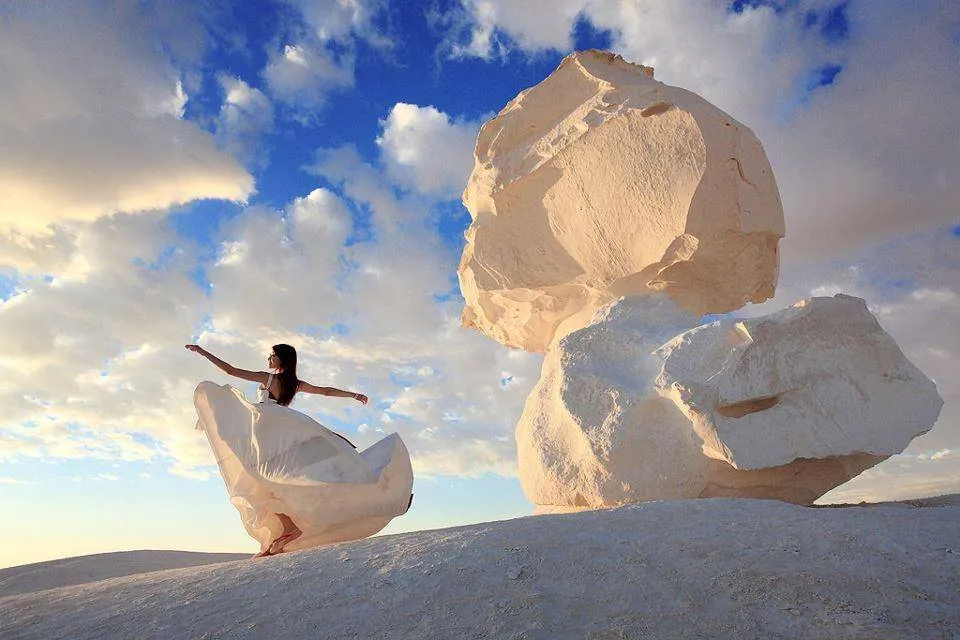
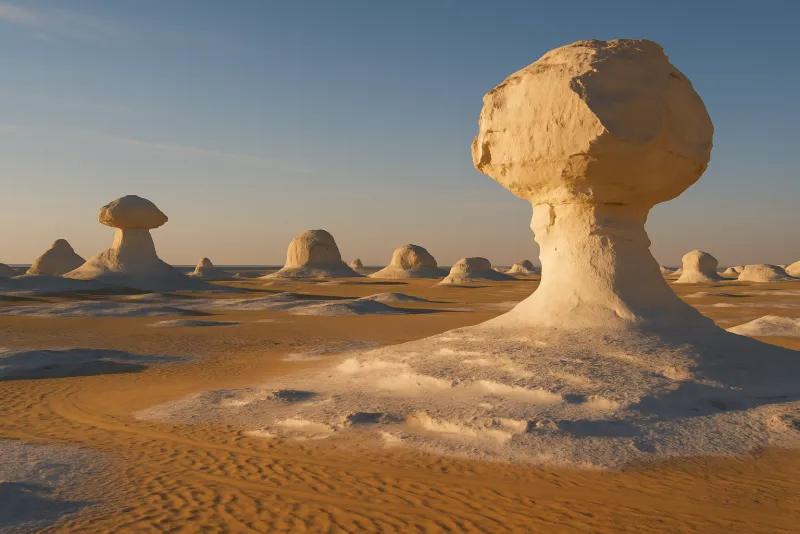
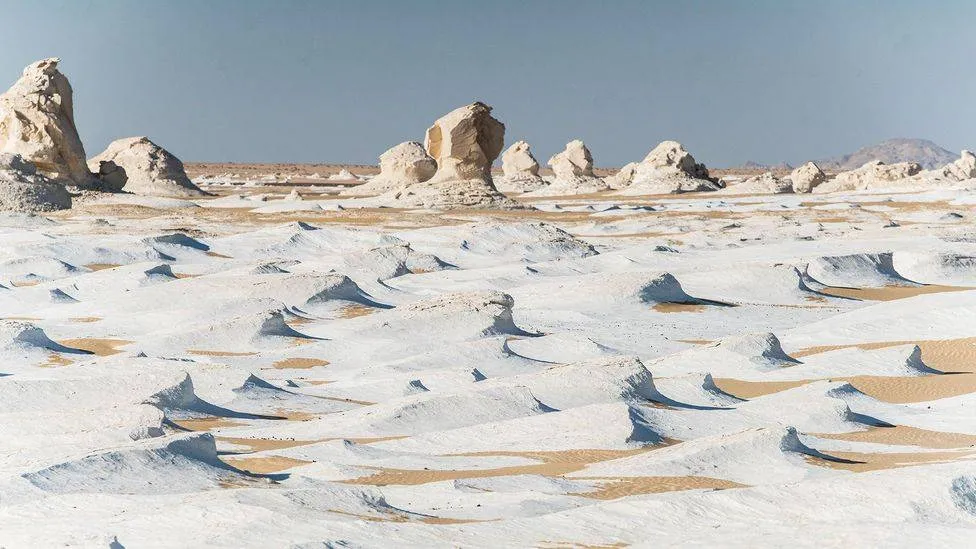
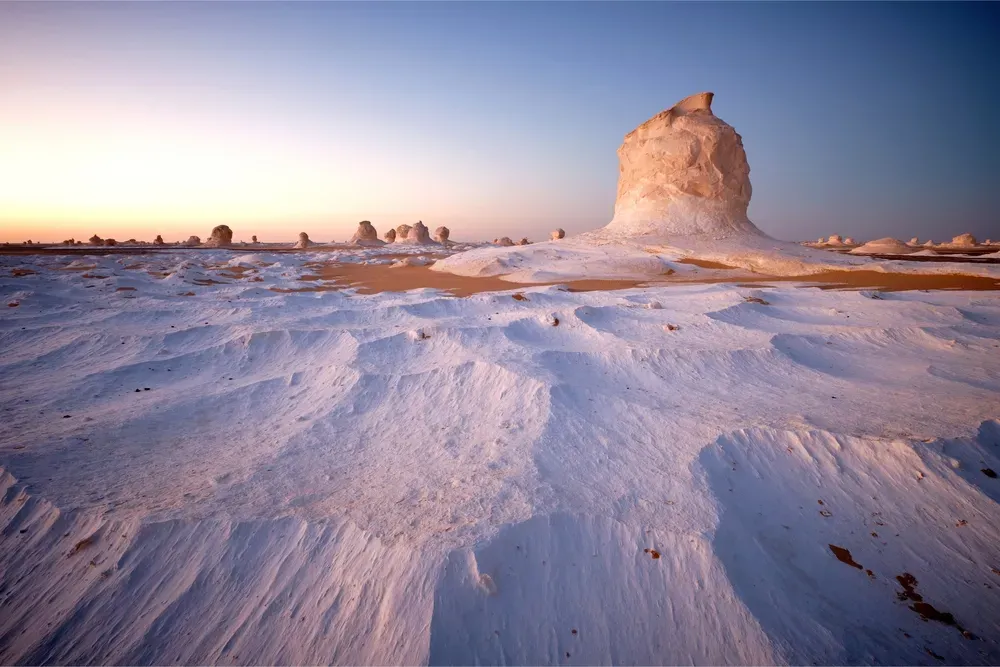
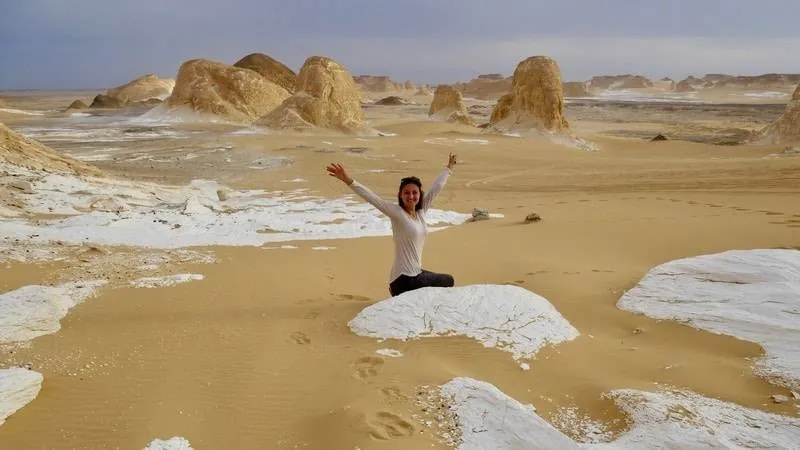
The White Desert in Egypt looks like nothing else in the country. Wind has carved soft white rock into mushrooms, towers and animal shapes, and at sunset the whole plain turns orange and pink. Most visitors sleep out among the formations and wake under a sky with more stars than they have ever seen.
It is also a long way from Cairo, and the road to it passes several sights worth your time. This guide follows the route in order, then covers camping, timing, costs and how to visit responsibly.
| Detail | Information |
| Location | Western Desert, north of Farafra Oasis, in the New Valley Governorate |
| Gateway | Bahariya Oasis, roughly 370 km from Cairo |
| Distance from Cairo | Roughly 500 km, about 6–7 hours by road |
| Main sights | Chalk formations, Black Desert, Crystal Mountain, Agabat Valley |
| Typical trip | 2 days and 1 night, with camping |
| Best season | October |
| Night temperatures in winter | Can fall close to freezing |
| Access | 4x4 with a licensed operator; some areas need permits |
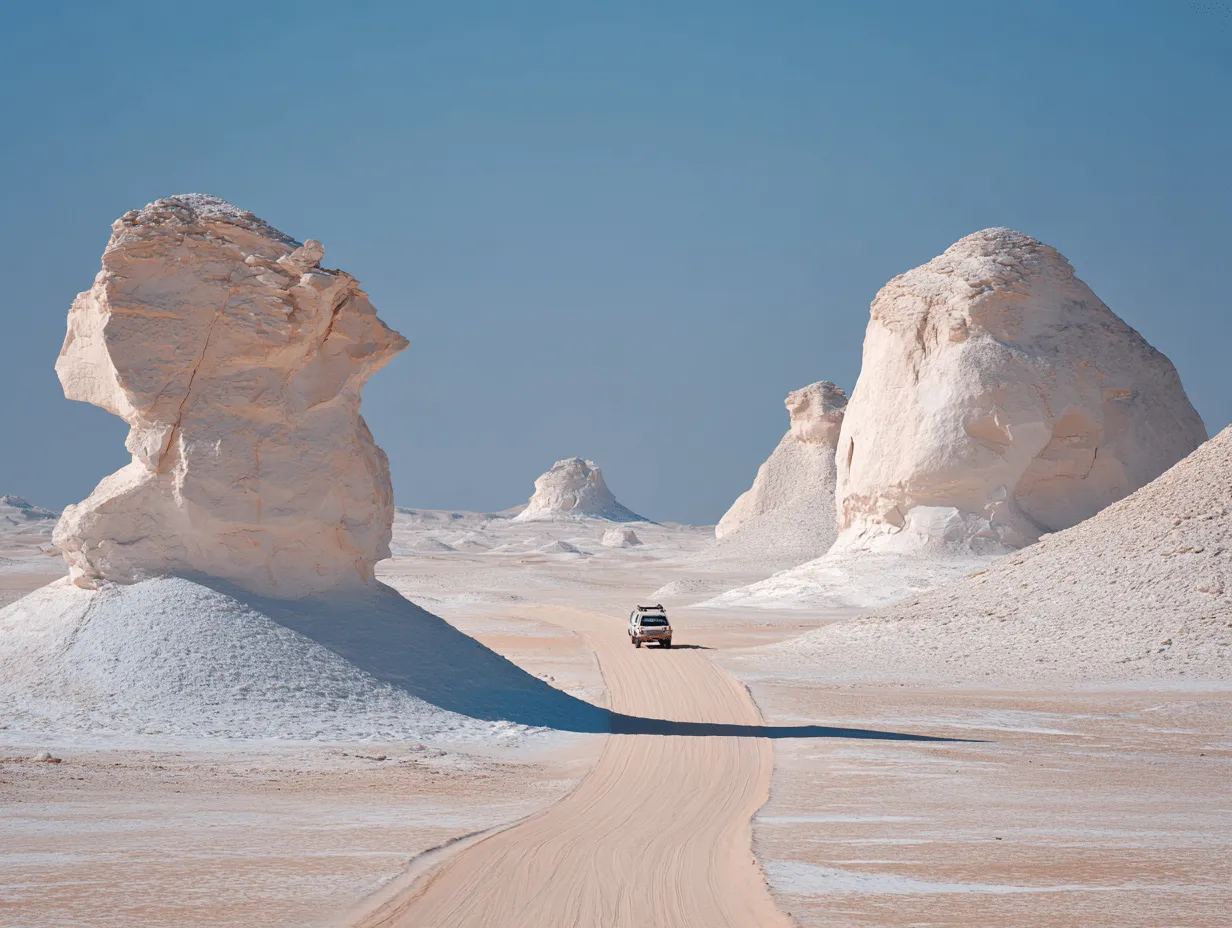
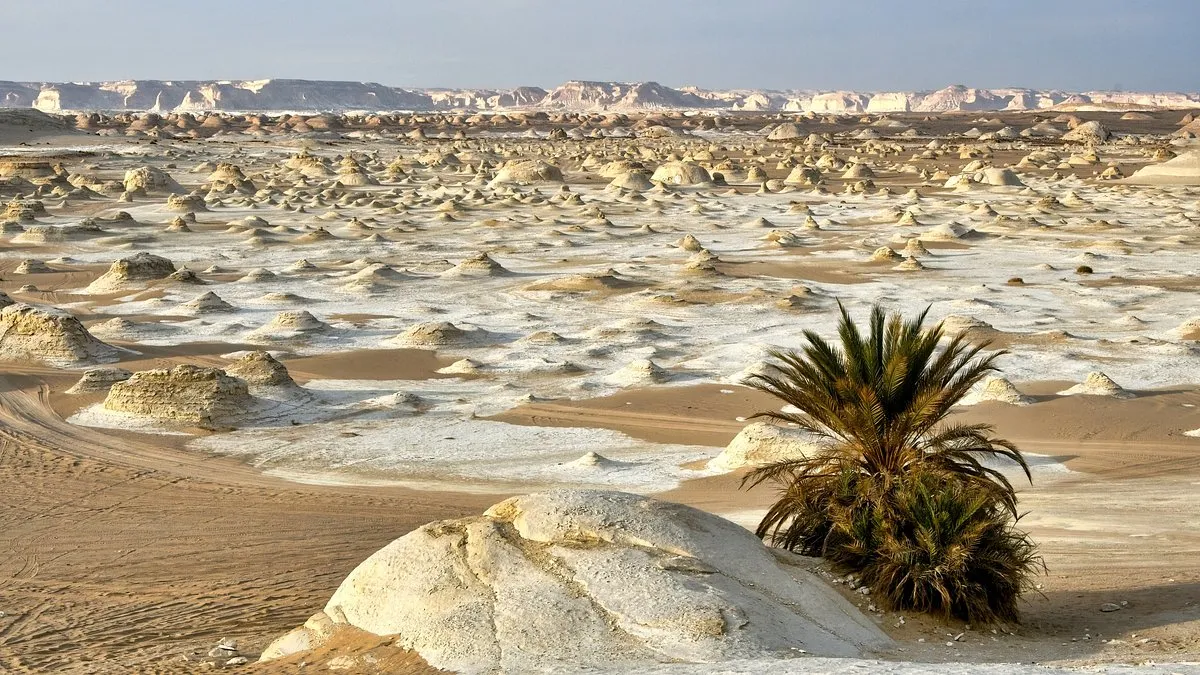
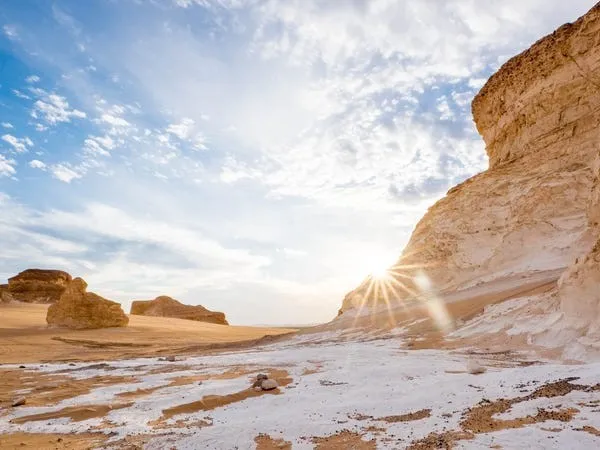
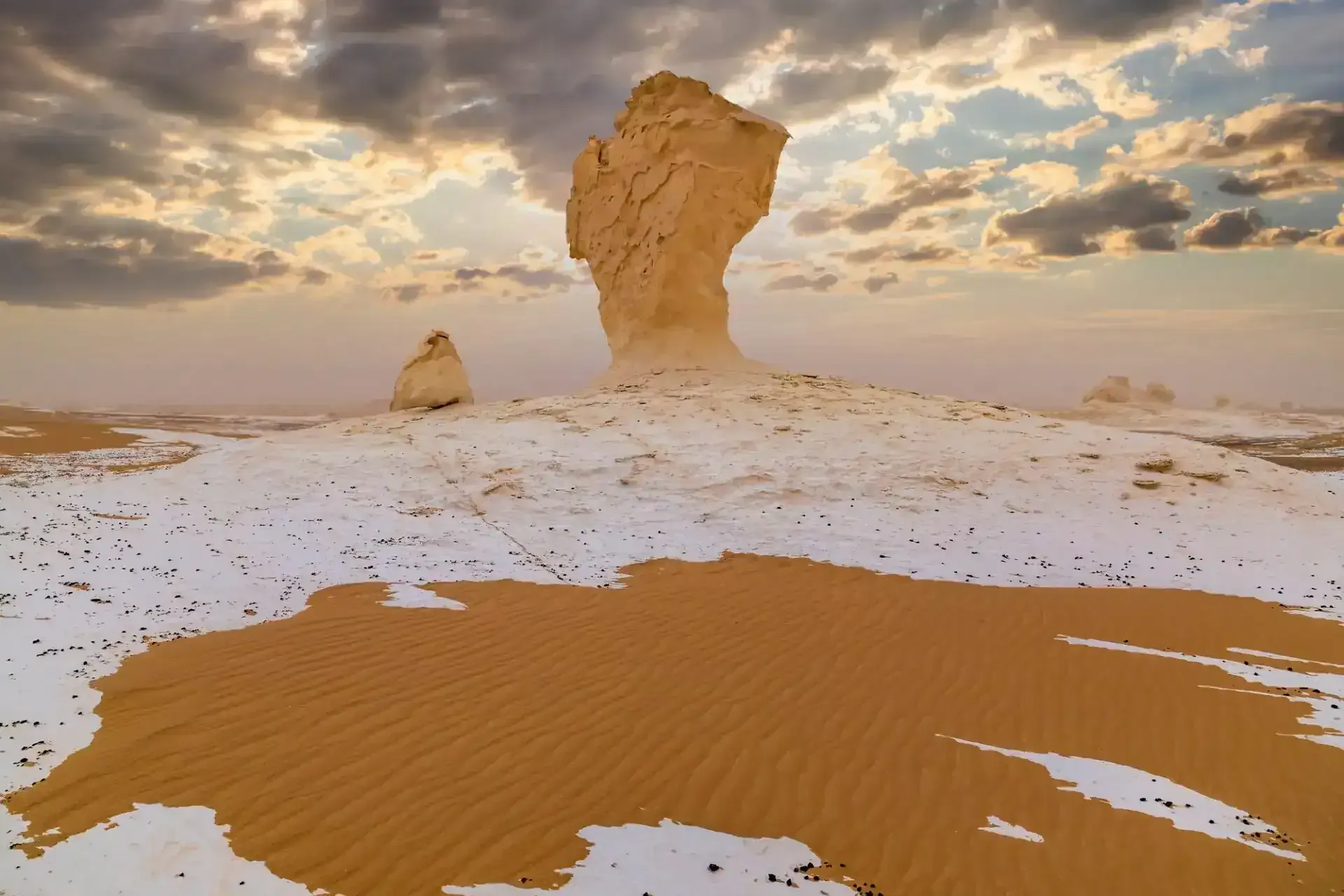
The White Desert is a plain of chalk and limestone, covered with sand. For millions of years, wind and blowing sand have scoured the soft rock. Harder layers survive as caps while softer layers wear away, which leaves mushroom shapes, spires and rounded domes. The effect is strongest around sunrise and sunset, when low light colors the white stone gold, pink and then blue.
The area is protected as a national park, and visitors travel with licensed guides. That matters, because the formations are fragile and the terrain is easy to damage.
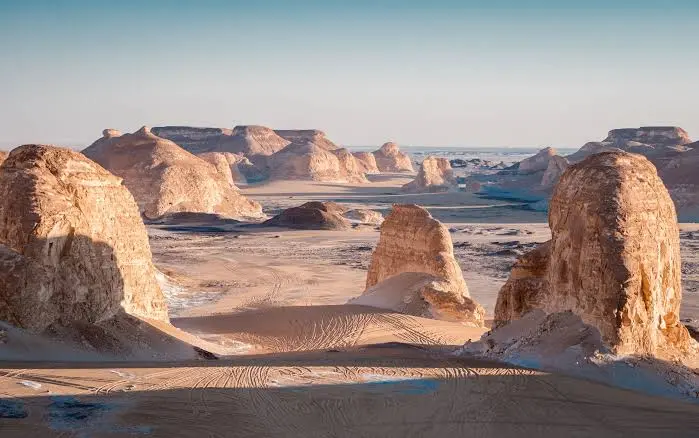
Most trips follow the same logical order. Each stop has a reason to be there, so do not rush through the early ones to reach the chalk rocks.
The oasis town of Bawiti is the usual gateway, about 370 km from Cairo. Palm groves, hot and cold springs, and a small museum that holds finds from the area, including Greco-Roman mummies, make it a useful first stop. Many tours break the journey here for lunch and a spring swim before heading into the desert. Hot springs can be too hot to enter at times, so ask your guide.
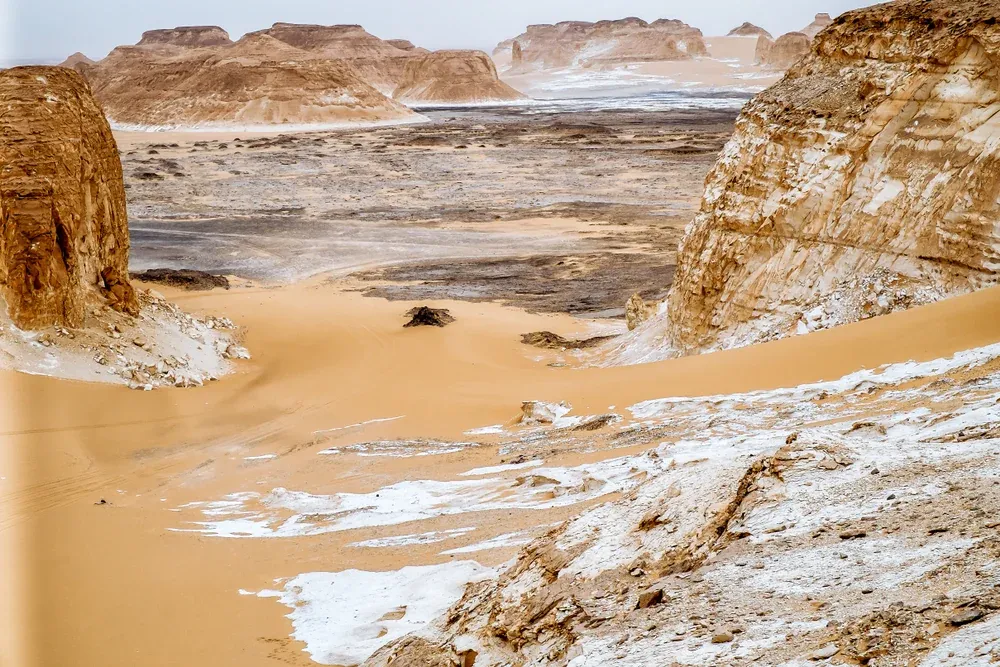
South of Bawiti, the ground changes from pale sand to black. Dark volcanic hills and dolerite fragments cover the orange sand, and the effect is stark. Most groups climb a hill for a view and move on, since the Black Desert is a viewpoint more than a place to spend hours.
Crystal Mountain, known locally as Gebel al-Izzaz, is a small hill with a natural arch, covered in glittering quartz and calcite crystals. It sits beside the main road between Bahariya and Farafra, so it is an easy and popular photo stop. Do not take pieces away. Leave the crystals where they are.
The Agabat Valley (also written El Akabat) lies near Crystal Mountain and shows a more rugged landscape with rock pinnacles and sand. Longer tours spend more time here, and some include a walk. It makes a good contrast with the white rocks that follow.
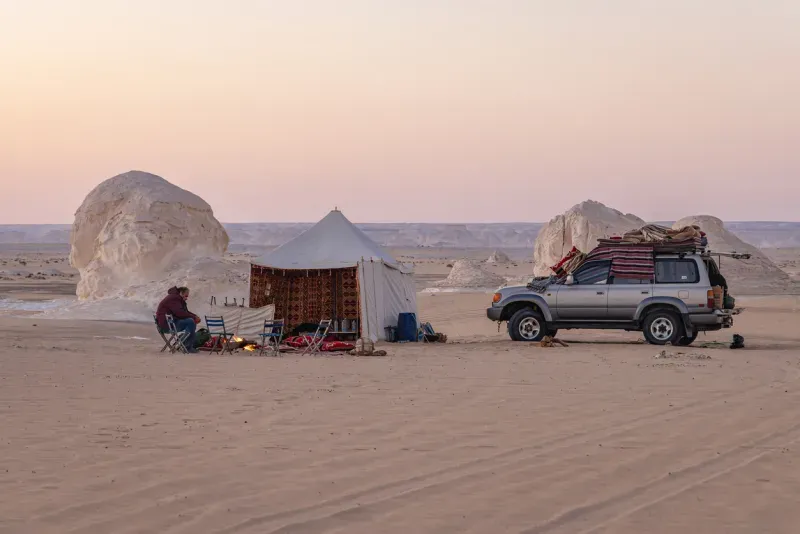
The White Desert proper begins north of Farafra. Tours usually arrive in the afternoon, so you can walk among the formations before sunset and set up camp. The newer camping area is often called the "New White Desert" and has a more open layout.
Farafra is the small oasis town nearest the desert. It has a hot spring and a local museum, and some three- and four-day tours include it. It is also where some travelers who come by bus first arrive before joining a desert trip.
Guides use informal names, and they vary a little from person to person. These are the shapes you are most likely to see:
Ask your guide to explain how each shape formed. Understanding the erosion makes the landscape more interesting than a simple photo stop.
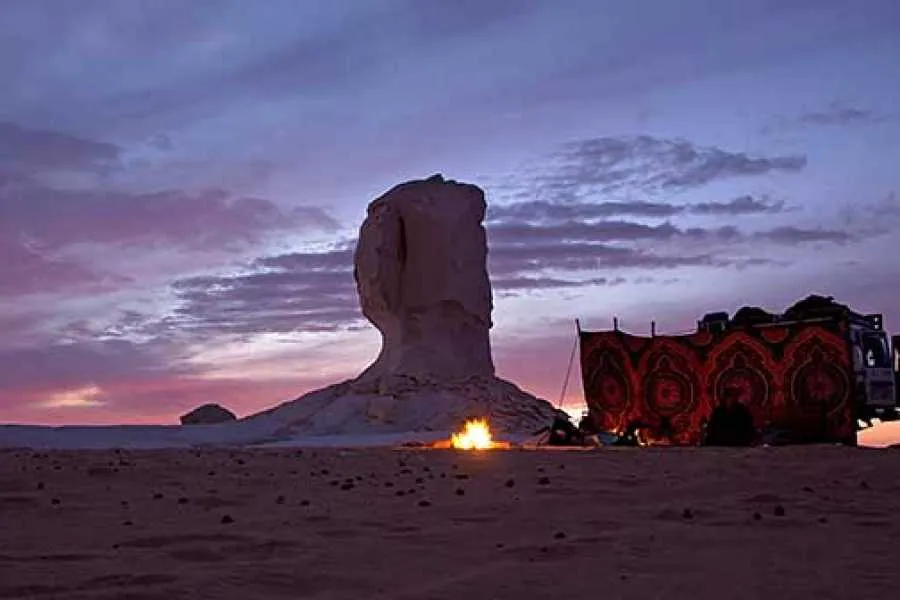
The overnight stay is what most people remember. A typical evening goes like this:
There are no flush toilets at most camps, so bring wipes and expect basic facilities. The temperature drops fast after sunset. In winter it can approach freezing, so sleeping bags, hats and warm layers matter. Light pollution is almost zero, so the stars are exceptional on a clear night.
A same-day trip from Cairo is possible but very long, and you would spend more time in the car than in the desert. It does not suit most travelers. If you only have a day, a trip that ends at the Black Desert and Crystal Mountain makes more sense than a rush to the chalk rocks.
This is the standard option. You drive to Bahariya, visit the Black Desert and Crystal Mountain, reach the White Desert for sunset, camp, and return the next day. It is long on the road but covers the highlights.
A longer trip adds time in Bahariya for the springs and museums, a visit to Farafra, more time at the Agabat Valley and a slower pace. It suits travelers who want to see the area without rushing. If you plan to go further west afterwards, see Siwa Oasis Egypt for the next desert stop.
October to April is the best window, with warm days and cool to cold nights. Summer is very hot, and heat makes the long drive and walking tiring. Winter days are pleasant, but nights are cold.
A full moon brightens the desert and washes out the stars, but it makes the formations glow. New moon nights are better for stargazing. Choose based on what you want most.
If you are based in Cairo, plan your pickup after you have seen the main sights. Our guides to attractions in Cairo Egypt and the Pyramids of Giza help you decide what to see before or after the desert.
I do not quote fixed prices because they vary by season, group size and operator. For reference, one listing shows a shared overnight camping trip from Cairo starting from around USD 100 per person, and private trips cost more. The main factors are:
For guide benchmarks, see Egypt tour guide price. Always confirm the total in writing.
Our full Egypt packing list covers the basics. For the desert, add:
Some roads and areas in the Western Desert have military checkpoints and need permits, and your operator should arrange them. Carry your passport at all times. Check current advice with is it safe to go to Egypt right now, and read is Egypt safe for women if you travel solo.
Basic safety rules:
Responsible behavior protects the area:
Go if you:
Skip or postpone if you:
If you want a different desert landscape, the Colored Canyon in Sinai is a shorter option, and Saint Catherine's Monastery adds mountain scenery.
Tour Guides Egypt connects travelers with local tour guides, tour representatives and private drivers across Egypt. For a White Desert trip, that can mean a driver who knows the route, a guide who handles permits and camp, and one contact if plans change.
If you are based in Cairo, a Cairo tour guide or Cairo local guide can plan the days before and after, and a Giza tour guide covers the plateau. For help deciding on support, see do you need a tour guide in Egypt and hiring a private guide in Egypt. Before paying a deposit, read can I cancel my holiday to Egypt.
You can ask questions or book through WhatsApp, or plan a tailor-made Egypt trip that combines the desert with Cairo, Luxor or Aswan.
It is in the Western Desert, north of Farafra Oasis. The usual gateway is Bahariya Oasis, about 370 km from Cairo.
Roughly 500 km, about 6–7 hours by road. Most trips from Cairo include a stop at Bahariya and a 4x4 section.
By private car or 4x4 with a driver and guide, or by bus to Bahariya or Farafra followed by a 4x4. Self-driving into the desert is not recommended.
Two days and one night is the standard. Three or four days adds Bahariya's springs and museums and a more relaxed pace.
It is possible but very long. Most travelers prefer an overnight trip to see the sunset, the stars and the sunrise.
For travelers who enjoy landscapes and camping, yes. It is one of the most distinctive places in Egypt. For short trips focused on temples, it is better to prioritize the Nile Valley.
October to April. Nights are cold from December to February, and summer is very hot.
It is widely done with licensed operators. Travel with an experienced guide, carry your passport, and make sure your insurance covers remote travel.
In winter, nights can fall close to freezing. Bring a warm sleeping bag, a fleece, a hat and warm socks.
The Black Desert is an area of black volcanic hills near Bahariya. Crystal Mountain is a small hill with a natural arch and quartz and calcite crystals, beside the road to Farafra.
The White Desert is protected, and it will only stay worth visiting if each group leaves it as it found it. Before you book, decide to keep these seven promises, and choose an operator who keeps them too.
If those promises sound right to you, send Tour Guides Egypt a WhatsApp message with your dates, group size and the number of nights you can spare. We will reply with route options and a written itinerary, and we will ask the operator to confirm each promise in writing.

Orange Bay or Paradise Island? Compare beaches, crowds, snorkeling, boat time, price and who each suits t ...

The Citadel of Saladin guide: history, Muhammad Ali Mosque, museums, views, opening hours, dress rules an ...

Is it safe to see the pyramids in Egypt? A step-by-step safety guide: security, scams, camels, heat, solo ...
Get Updates & More
@ Copy 2026 Tour Guides Egypt , All rights reserved