
Orange Bay or Paradise Island? Choose by What You Want the Day to Feel Like
Orange Bay or Paradise Island? Compare beaches, crowds, snorkeling, boat time, price and who each suits t ...

Siwa Oasis Egypt is a remote Western Desert oasis near the Libyan border, known for salt lakes, mud-brick history and the Oracle of Amun. This guide explains how to reach Siwa Oasis Egypt, what to see and how long to stay.
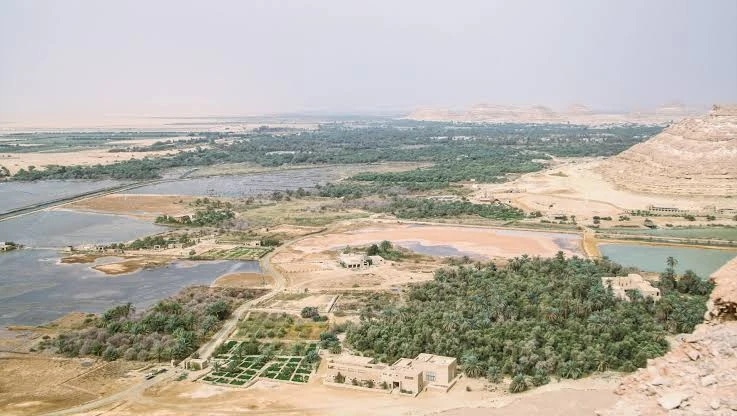
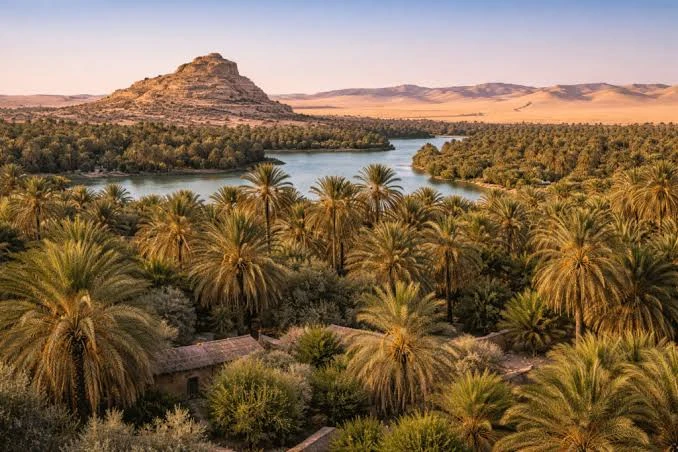
Most Egypt itineraries follow the Nile: Cairo, Luxor, Aswan. Siwa Oasis Egypt sits far to the west, close to the Libyan border, and offers something different: salt lakes you can float in, a mud-brick fortress above the town, palm groves, desert dunes and a culture that is Egyptian but not Nile Valley.
It is also not an easy stop. Siwa is a long drive from anywhere, with no commercial flights, so it rewards planning. This guide explains where Siwa is, how to get there, what to see and how long to stay.
| Detail | Information |
| Location | Western Desert, near the Libyan border |
| Nearest coastal town | Marsa Matrouh, about 300 km north |
| Nearest airport | Marsa Matrouh (no commercial flights to Siwa itself) |
| Drive from Cairo | Roughly 8–10 hours by car, via Alexandria and Marsa Matrouh |
| Drive from Alexandria | Roughly 6–7 hours |
| Main sights | Shali Fortress, Oracle Temple at Aghurmi, salt lakes, Fatnas Island |
| Local language | Siwi (a Berber language), plus Arabic |
| Best season | October to April |
| Recommended stay | At least 3 nights |
Siwa’s fame comes from the Oracle of Amun, a sanctuary in the village of Aghurmi. In 331 BCE, Alexander the Great crossed the desert to consult it, and its reputation spread across the ancient world. That journey is still part of why people visit.
Siwa later became a small, isolated community with its own language and customs. The Siwi people speak a Berber language and have preserved traditions in dress, crafts and food that differ from the Nile Valley. Dates and olives remain the local economy’s backbone.
Today, Siwa Oasis is connected by paved road and open to visitors. It is still quiet and remote, and it moves at a slower pace than Cairo or Luxor.
The usual route runs from Cairo to Alexandria, then along the coast to Marsa Matrouh, and south to Siwa. By car it takes about eight to ten hours. An overnight bus from Cairo takes roughly ten to twelve hours. Some travelers take a bus or train to Marsa Matrouh and continue by microbus for the final stretch of about 3.5 hours, which brings the total to 12–14 hours.
Road conditions, checkpoints and routes can change. Confirm the current route with your driver or operator, and do not rely on old blog posts that describe road closures.
Alexandria is closer, at about six to seven hours by road. If you plan to visit the coast as well, this is the better starting point. See is Alexandria worth visiting to decide how long to spend there before heading south.
Marsa Matrouh is a Mediterranean beach town, and a natural halfway stop. From there, Siwa is roughly 300 km south and takes about 3.5 to 4 hours. Fill the fuel tank before the desert stretch if you are driving yourself.
No commercial airport serves Siwa. The closest is at Marsa Matrouh, and you still need a long road transfer afterward. Plan Siwa as an overland trip, not a quick hop.
A private car with a driver is the most flexible option. It lets you stop at Marsa Matrouh, break up the drive and control your timing. You can arrange this through private drivers. Expect police checkpoints on the route, which are routine. Carry your passport at all times.
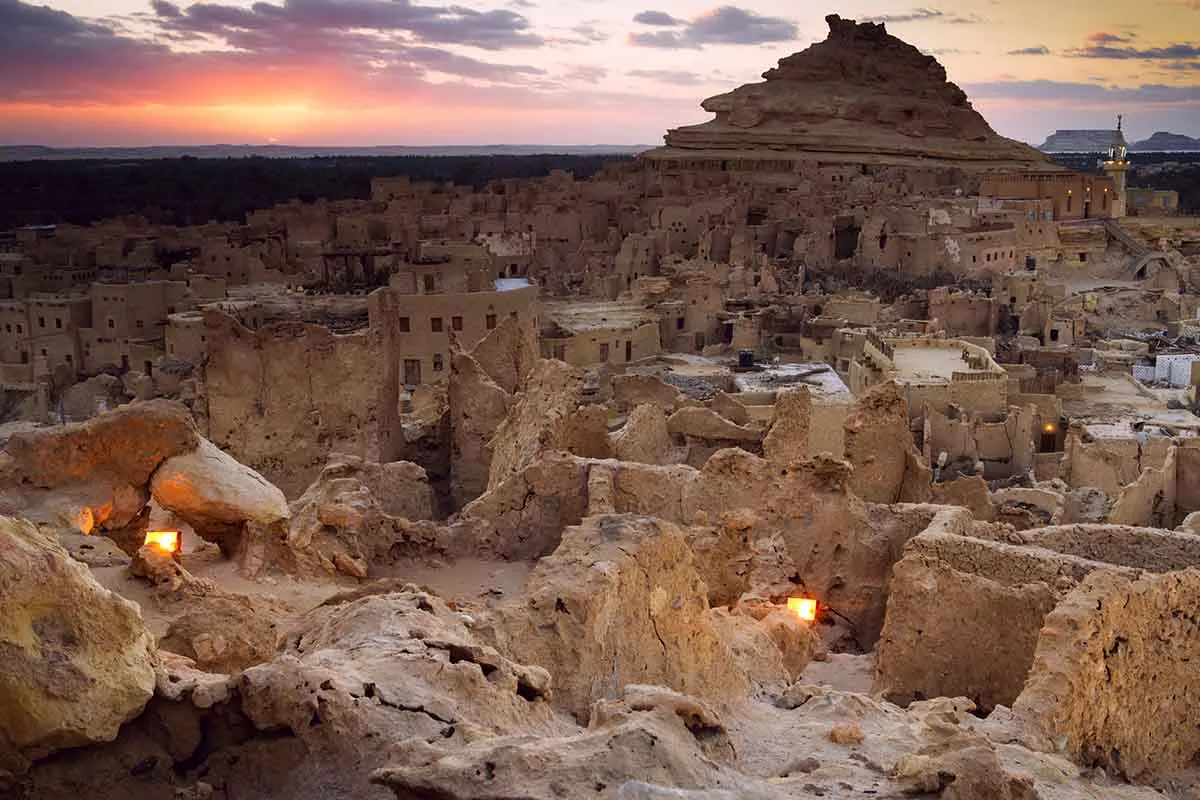
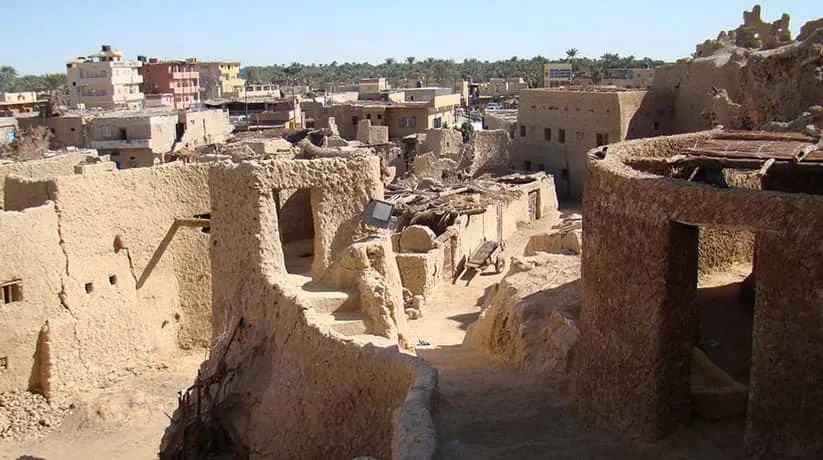
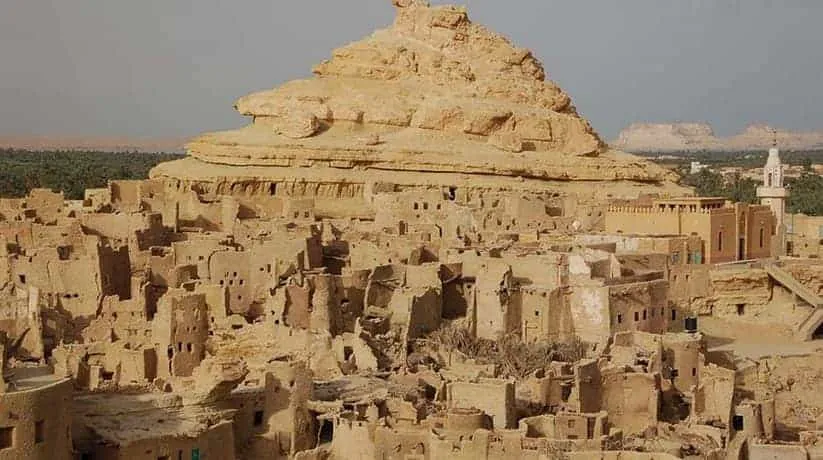
Shali is the old fortress-town at the center of Siwa, built in the 13th century from kershef, a mix of salt and clay. Parts have melted in past rains, but the remaining walls and alleys give a clear sense of how the Siwans lived. Climb to the top for a view across the palm groves and the town.
The ruins of the Temple of the Oracle stand on a rocky hill at Aghurmi. This is where Alexander the Great is said to have received his oracle. Much of the structure is eroded, but the setting and the history make it a core stop.
Gebel al-Mawta is a limestone hill pierced with tombs from the Ptolemaic and Roman periods. Some contain painted scenes. Access varies, so ask your guide or hotel to confirm what is open.
This natural spring pool is a favorite swimming spot. Despite the name, there is no firm historical link to Cleopatra. It is cool, clear and popular in the afternoon, so go earlier if you want fewer people. Dress modestly, as the area is not a beach.
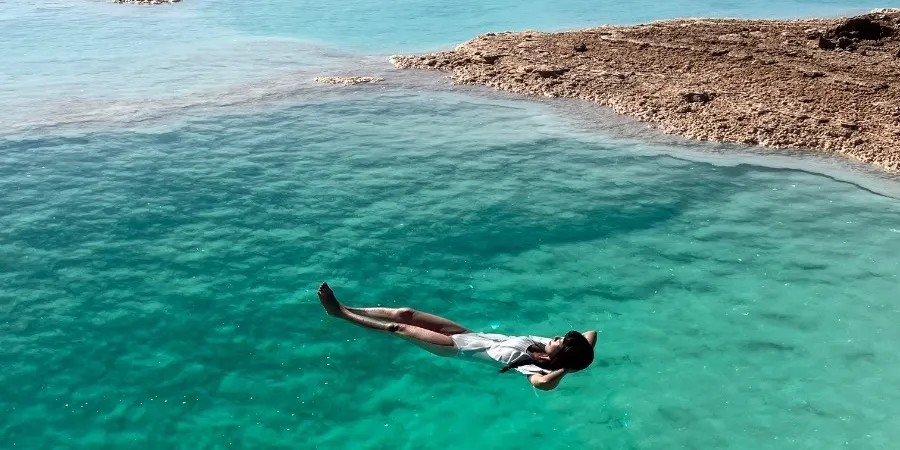
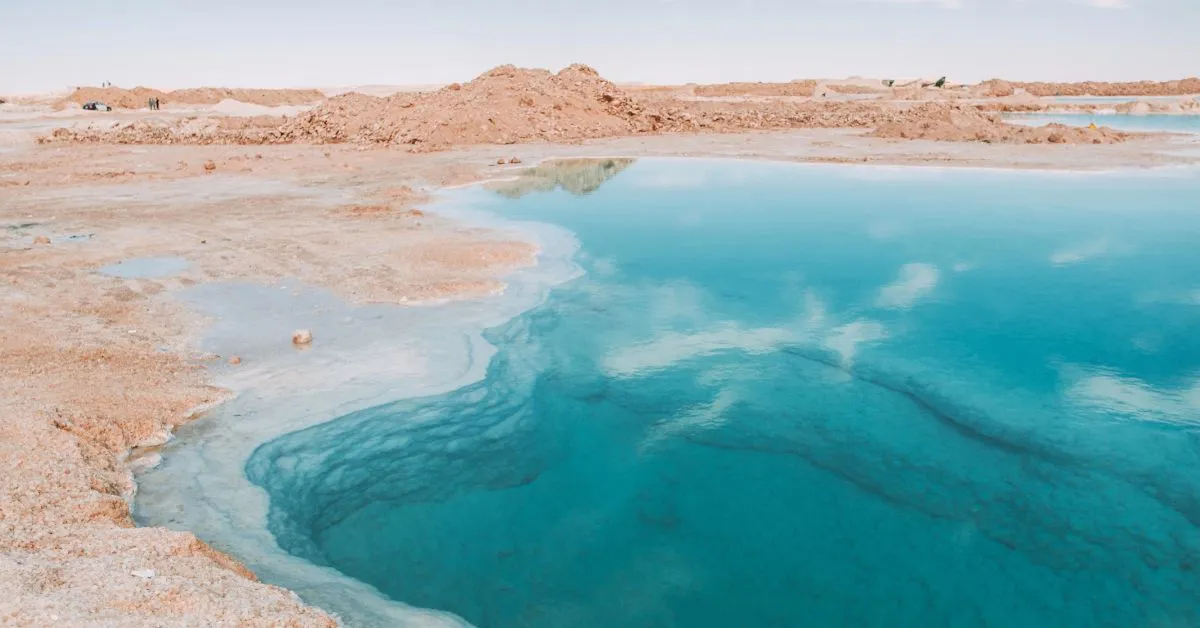
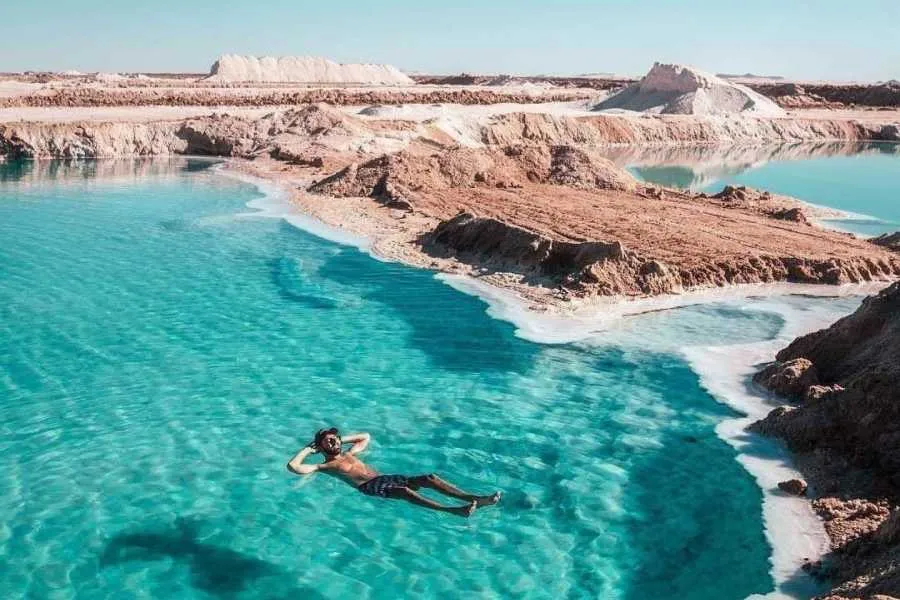
The salt lakes around Siwa Oasis are among its best-known features. The water is so salty that you float without effort. Salt crusts form around the edges, and the pools shift in color through the day. Go late in the afternoon for softer light, and rinse off afterward.
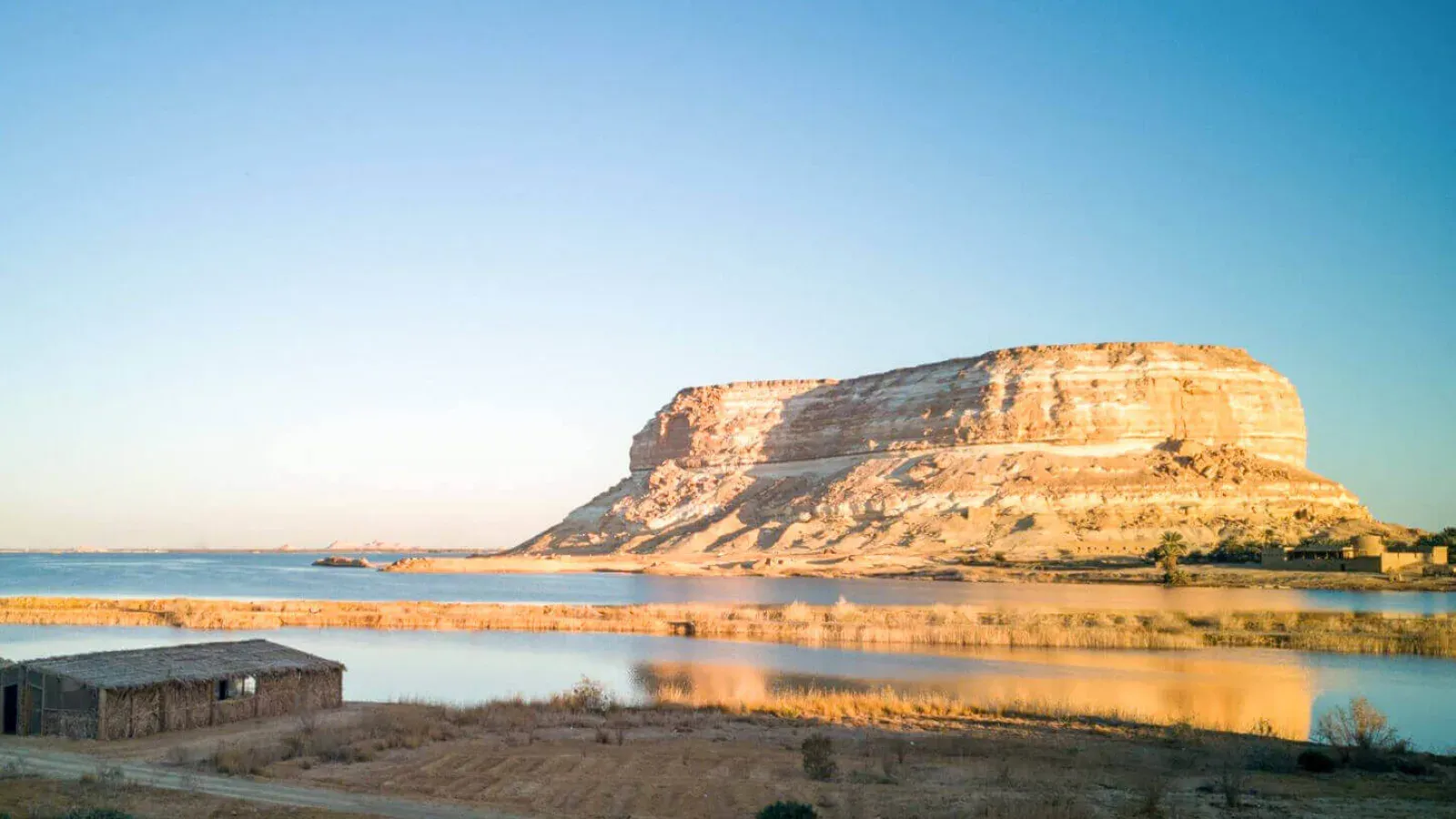
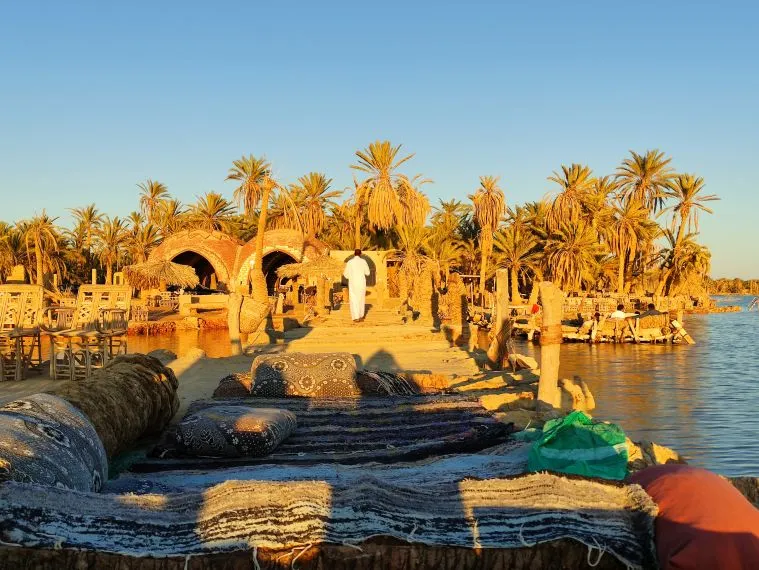
Fatnas Island is a palm-covered spot in Lake Siwa, popular for sunset. Visitors sit in the shade, drink tea or juice, and watch the light change over the water. Opening hours and access can be limited, so ask your hotel to confirm before you go.
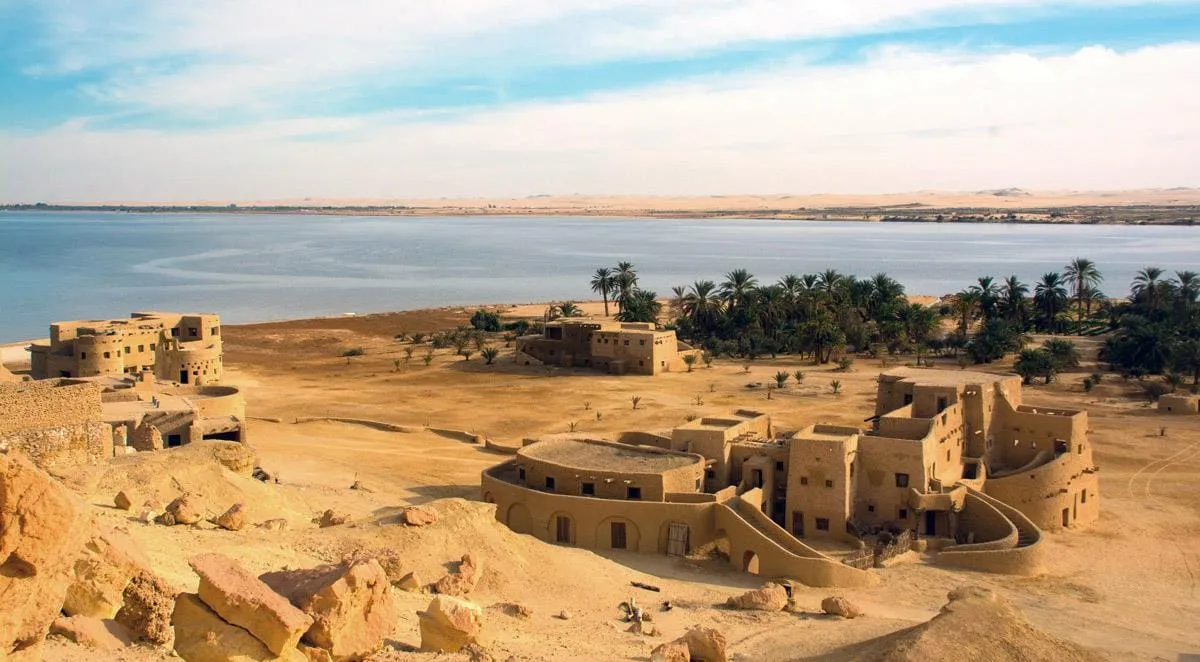
Accommodation ranges from simple guesthouses to mud-brick ecolodges. Several well-known lodges are built from local materials and run on limited power, so expect a quiet stay with few screens. Hotels near the lakes offer views and easier access to the water.
Book ahead in the cooler months, especially around local festivals and the busy late-autumn season. Confirm what is included, such as breakfast, transfers and electricity hours, before you pay.
| Season | Conditions | Notes |
| October–November | Warm days, mild nights | Good balance, busy around festivals |
| December–February | Cool days, cold nights | Bring warm layers for the evening |
| March–April | Warm, pleasant | Good for dunes and lakes |
| May–September | Very hot, often above 40°C | Not ideal for desert activities |
Siwa traditionally hosts a gathering of local communities in autumn. Dates change, so check the schedule if you want to attend, and book lodging early. For wider seasonal planning, see best time to visit Egypt. The Egypt in January and Egypt in March pages show how winter and spring feel across the country. If you are considering summer, compare Egypt in July first.
Siwa is conservative, and the community is small. A few habits make your visit smoother:
Solo women often travel in Egypt without trouble. Read is Egypt safe for women for realistic advice.
I do not quote fixed prices here, because rates vary by season, vehicle and group size. These are the main factors:
For general guidance on guide pricing across Egypt, see Egypt tour guide price. Always confirm totals in writing.
Go if you:
Skip or postpone if you:
For current travel conditions, read is it safe to go to Egypt right now and check your government’s travel advice. Siwa is close to the border, and some desert areas are restricted, so travel with a licensed operator and follow local rules.
Siwa works best as an add-on to a Cairo and Alexandria trip. A sensible route:
If you want a longer trip, combine this with the Nile Valley, and plan a tailor-made Egypt trip that links the west with Luxor and Aswan. For help deciding on support, see do you need a tour guide in Egypt and hiring a private guide in Egypt. Also pack for desert conditions with our Egypt packing list, and check Egypt visa requirements before you fly.
Tour Guides Egypt connects travelers with local tour guides, tour representatives and private drivers. For a long overland trip like Siwa, that means a driver who knows the route, a guide who can arrange dune permits, and one point of contact if plans change.
You can ask questions or book through WhatsApp.
Siwa Oasis is in the Western Desert, near the Libyan border, about 300 km south of Marsa Matrouh. It is the northernmost of Egypt’s inhabited desert oases.
By car, it takes roughly 8–10 hours via Alexandria and Marsa Matrouh. An overnight bus takes about 10–12 hours. Confirm the route and schedule before you go.
No. There are no commercial flights to Siwa. The nearest airport is at Marsa Matrouh, and you still need a road transfer of several hours.
At least three nights. Two nights leaves you with little time after the long drive. Four or five nights suits travelers who want dunes, hot springs and a slower pace.
It is known for the Oracle of Amun, Shali Fortress, salt lakes where you float, palm groves, dates and olives, and the Siwi Berber culture.
October to April. Summer is very hot, often above 40°C, and winter nights can be cold.
Many travelers visit without problems, but Siwa is close to the border and some desert areas are restricted. Use licensed operators, carry your passport and check current government advice.
Yes, at designated spots. You float easily because of the high salt content. Rinse afterward and follow local guidance on swimwear.
You can explore the town independently, but a guide helps with history, dune permits and logistics for the lakes and the desert.
For travelers who want a quiet, different side of Egypt and can spare three nights or more, yes. For short trips, it is better to focus on the Nile Valley.
Here is a simple rule for planning Siwa: allow at least one night in Siwa for every four hours you spend driving to get there. It stops you from spending more time in the car than at the oasis.
Add one more night if you want a hot spring, a sandboarding session and a slow sunset, and one night in Marsa Matrouh if the weather is good and you want a beach stop.
If you want help applying the rule to your dates, message Tour Guides Egypt on WhatsApp with your starting city and travel window. We will reply with a route, a driver and a guide who can arrange the dune permits.

Orange Bay or Paradise Island? Compare beaches, crowds, snorkeling, boat time, price and who each suits t ...

The Citadel of Saladin guide: history, Muhammad Ali Mosque, museums, views, opening hours, dress rules an ...

Is it safe to see the pyramids in Egypt? A step-by-step safety guide: security, scams, camels, heat, solo ...
Get Updates & More
@ Copy 2026 Tour Guides Egypt , All rights reserved