
Orange Bay or Paradise Island? Choose by What You Want the Day to Feel Like
Orange Bay or Paradise Island? Compare beaches, crowds, snorkeling, boat time, price and who each suits t ...

The Citadel of Saladin is the medieval fortress above Cairo, home to the Muhammad Ali Mosque and some of the best views in the city. This guide explains the history of the Saladin Citadel in Cairo, what to see and how to plan a visit to the Citadel of Saladin.
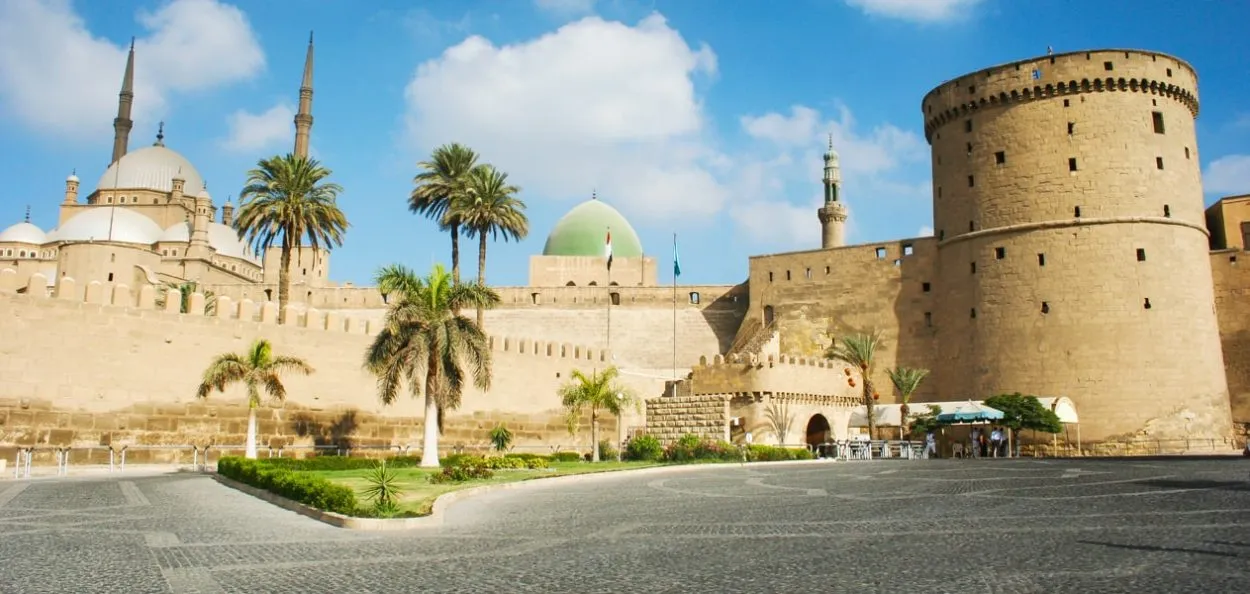
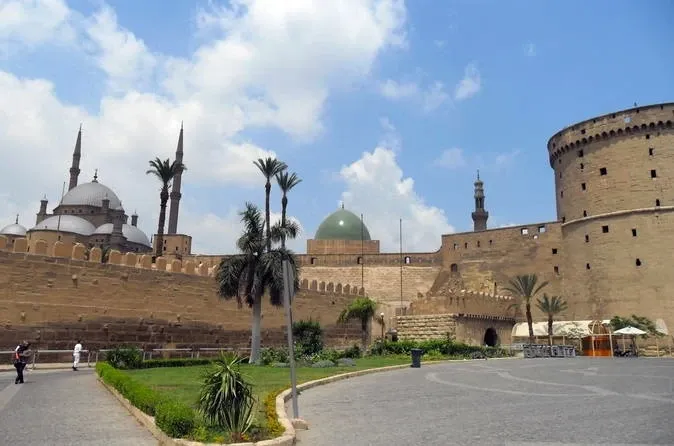
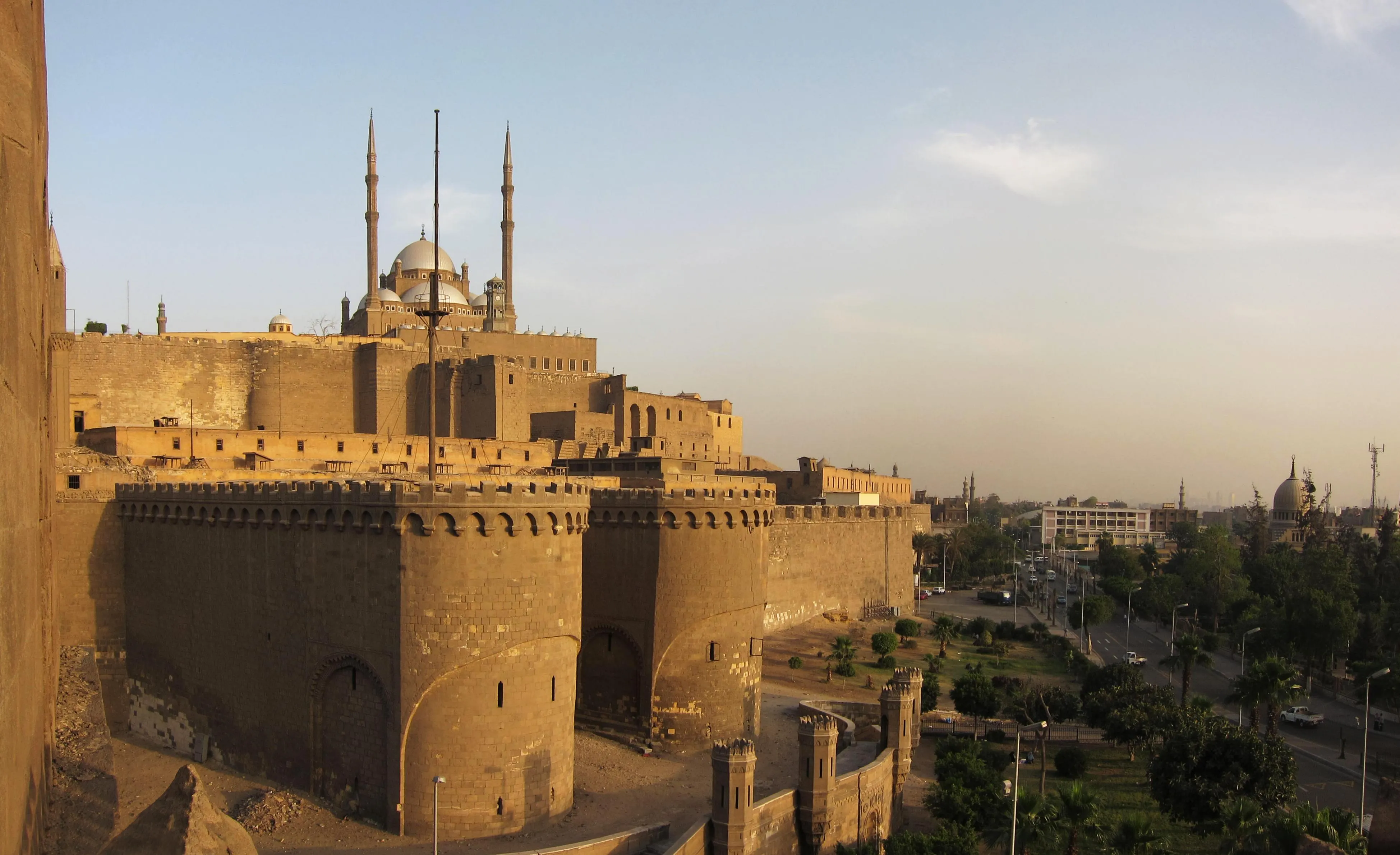
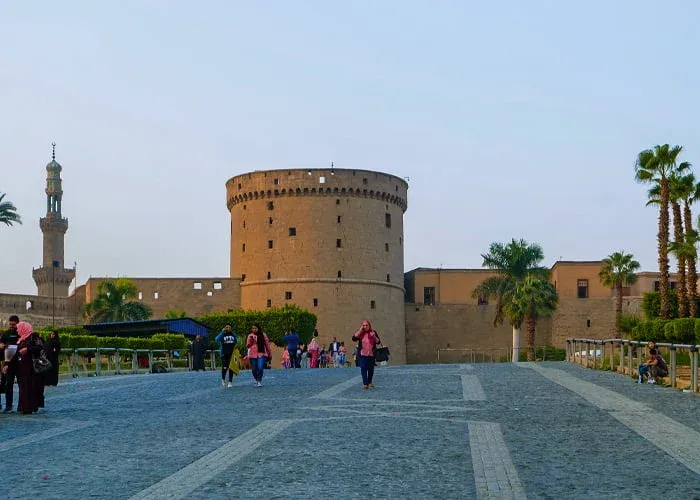
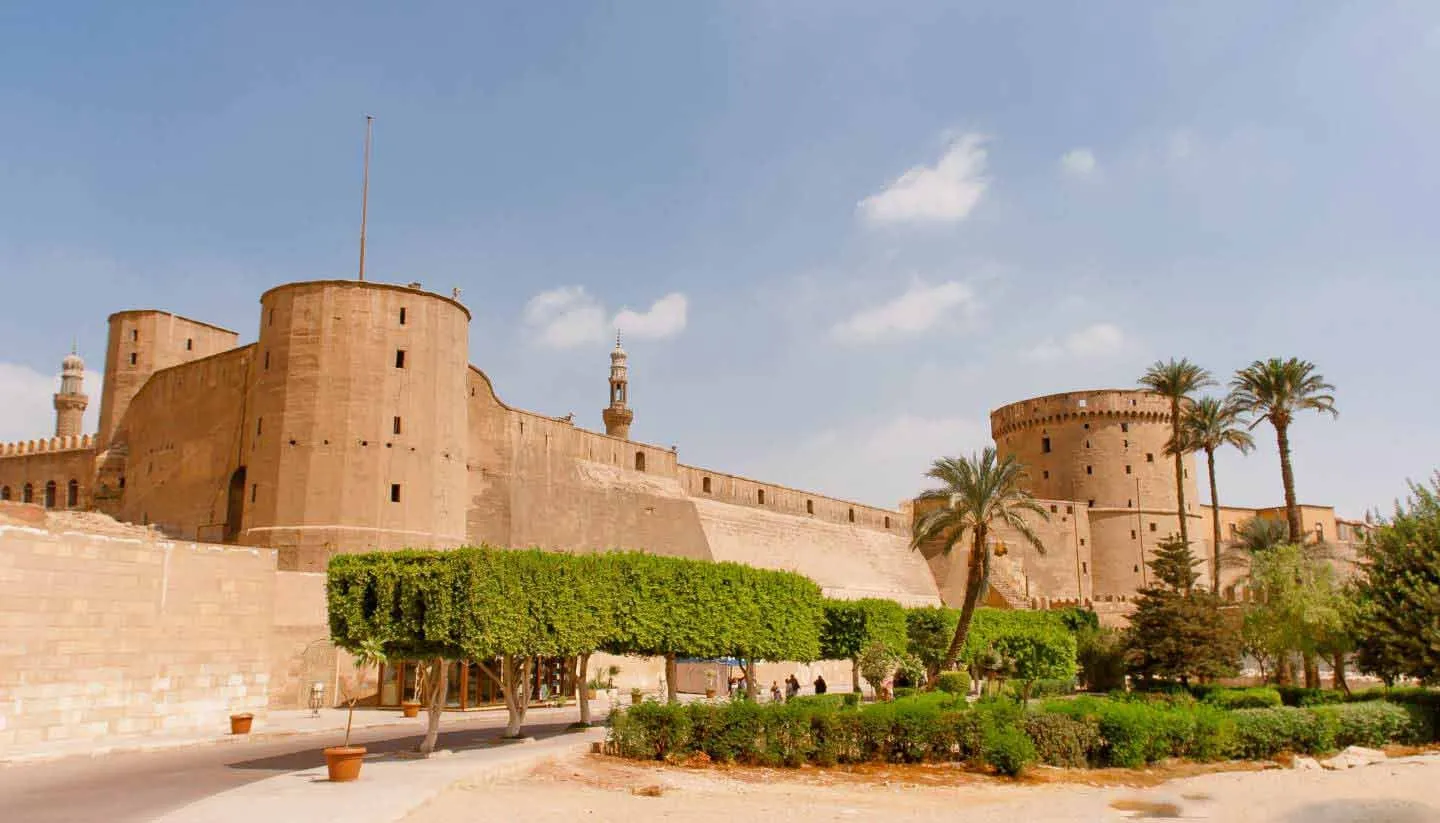
For almost seven hundred years, Egypt was governed from one hill. The Citadel of Saladin sits on a spur of the Mokattam Hills above Cairo, with walls, towers, mosques and palaces added by one ruling dynasty after another. Today it is a UNESCO-listed complex, and the best single place to understand how Cairo's rulers lived and fought.
This guide covers the history, what to see inside, how long to allow and the practical rules, so you can use your time well.
| Detail | Information |
| Also known as | Cairo Citadel, Saladin Citadel, Citadel of Salah al-Din |
| Location | Mokattam hill, above Islamic Cairo |
| Built | 1176–1183, begun by Saladin |
| Used as | Seat of government and military stronghold until the 19th century |
| Main highlight | Mosque of Muhammad Ali (the Alabaster Mosque) |
| Other highlights | Al-Nasir Muhammad Mosque, Suleiman Pasha Mosque, Gawhara Palace, museums, viewpoints |
| Time needed | 2–4 hours |
| Dress | Modest clothing, and shoes come off in the mosques |
Several places carry the name "citadel," and travelers mix them up.
Make sure your driver and guide know which one you mean.
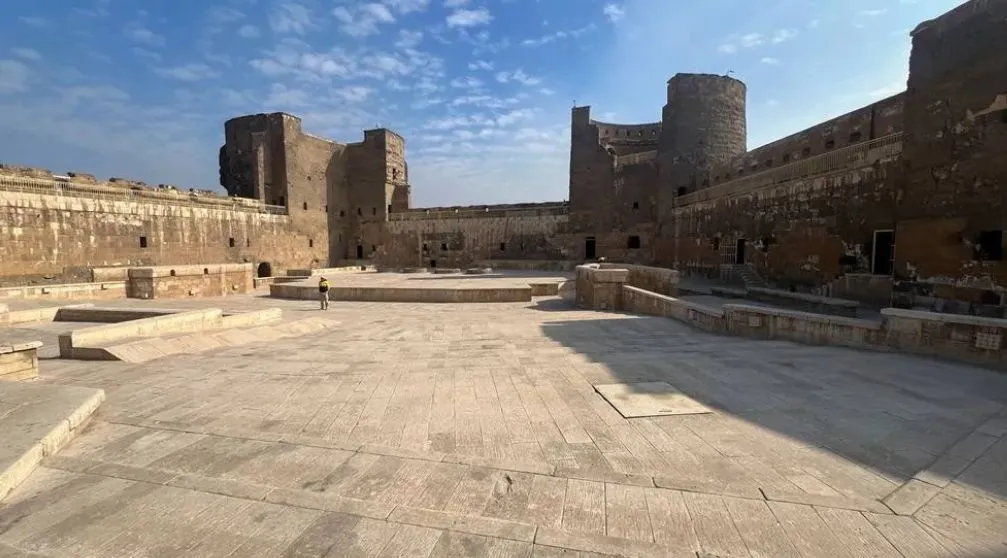
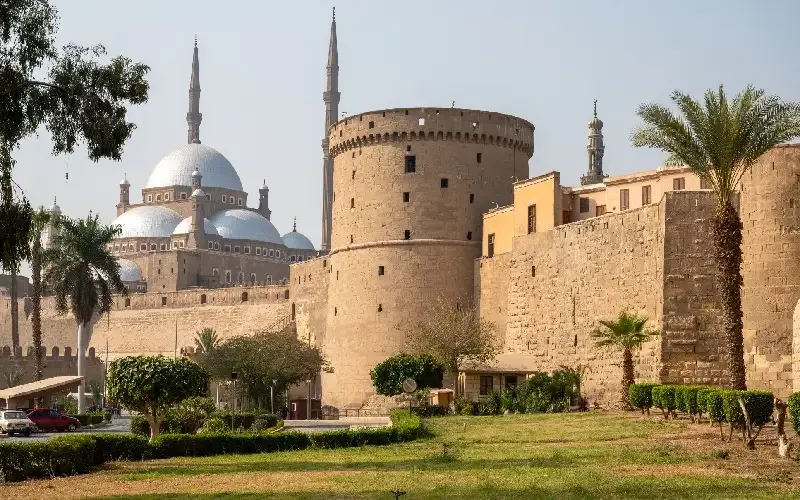
Saladin (Salah al-Din al-Ayyubi) began the Cairo Citadel in 1176 to protect the city against the Crusaders. Work continued after he died in 1193, and his successors finished the fortress and turned it into a royal residence in the early 13th century. The site was chosen for its height and its breezes, which made it healthier and easier to defend than the low ground below. Long-standing accounts say that the builders reused stone from earlier monuments, including some from the pyramids area at Giza, though historians debate how much.
The original walls, towers and gates still shape the layout of the complex.
The Mamluk sultans, who ruled Egypt from the 13th to the early 16th century, made the Citadel the center of their government. They added palaces, mosques and halls, and the most important surviving Mamluk building here is the mosque of Sultan al-Nasir Muhammad. Under the Mamluks, the Citadel grew from a fortress into a small walled city.
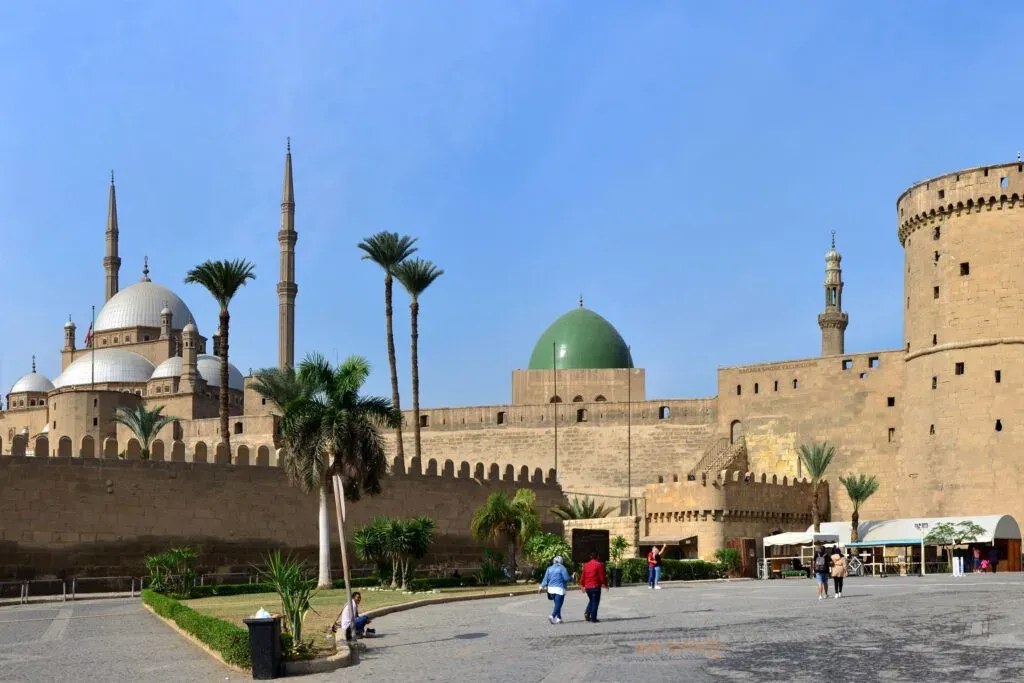
After the Ottoman conquest in 1517, the Citadel remained the seat of the governor. In the early 19th century, Muhammad Ali Pasha, who founded the dynasty that ruled Egypt until 1952, took power. In 1811, he ordered the Mamluk leadership killed at the Citadel, ending their political influence. He then rebuilt much of the complex and commissioned the great mosque that now dominates the skyline, built between 1830 and 1848. The seat of government moved away from the Citadel later in the 19th century.
Today, parts of the Citadel house museums, and the complex is a protected heritage site. Restoration work continues in different areas, so some sections may be closed or under scaffolding on any given day.
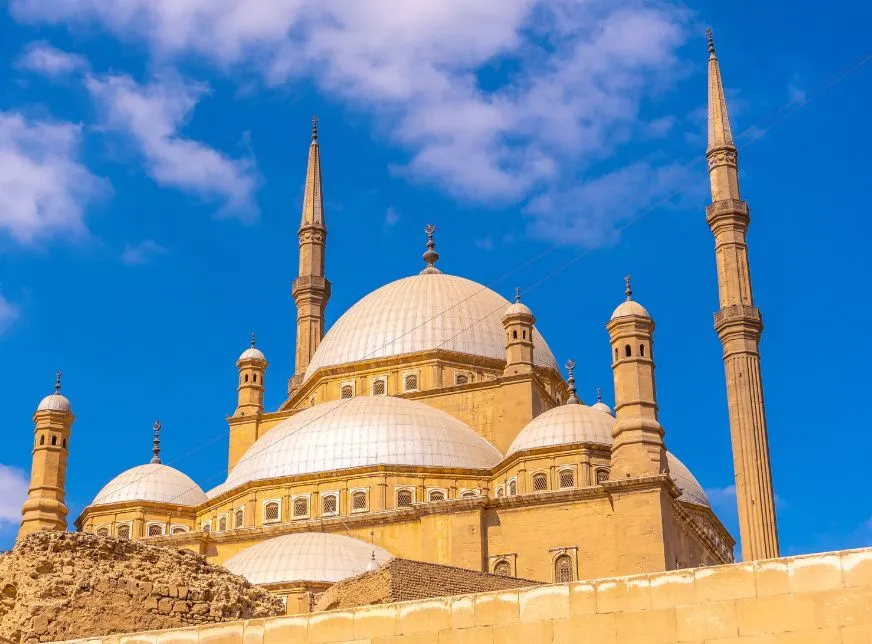
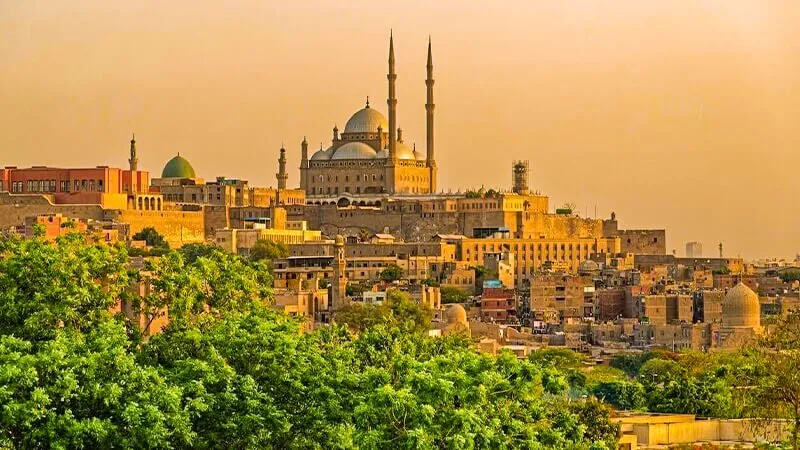
The main reason most people come. The Mosque of Muhammad Ali, also called the Alabaster Mosque, is modeled on Ottoman mosques in Istanbul, with a large central dome, slender minarets and an alabaster-clad courtyard. Inside, a vast prayer hall opens beneath a huge dome and a heavy chandelier. A tomb inside is the resting place of Muhammad Ali.
The mosque is an active place of worship, so visitors may be asked to wait during prayer times, especially around midday on Fridays. Take off your shoes, cover your shoulders and knees, and speak quietly.
A Mamluk mosque from the early 14th century, quieter and older than the great mosque. Its tall minarets are decorated with colored tiles, and the interior shows the simpler style of Mamluk architecture. Many visitors pass through quickly, but it gives a useful contrast with the Ottoman-style mosque nearby.
Built in the early 16th century, it is one of the earliest Ottoman-style mosques in Cairo. Its small domes and slender minaret reflect a different taste from both the Mamluk and the later Muhammad Ali buildings.
A palace from the early 19th century, built under Muhammad Ali's rule. Its rooms preserve period decoration and furniture and show how the rulers lived. It is smaller than the mosque and often less crowded.
The Citadel includes several museums. The National Military Museum covers Egypt's military history, with weapons, uniforms and models. The Police Museum covers the history of the security forces. A carriage museum shows the royal vehicles of the 19th and 20th centuries. They suit travelers with an interest in history. If your time is limited, the military museum is the strongest choice.
A deep well cut into the rock to supply water during a siege. Its spiral shape and depth show how serious the builders were about defending the hill. Access can vary, so ask your guide whether it is open.
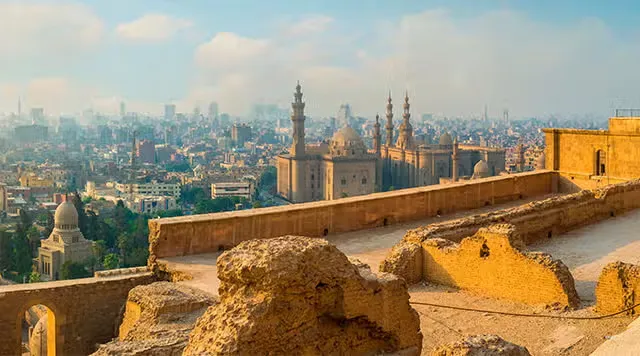
The terraces beside the great mosque give one of the best panoramas in Cairo. On a clear day, you can see the domes and minarets of Islamic Cairo below, the modern city beyond, and in the distance the outline of the Pyramids of Giza.
Haze and dust often reduce visibility, so the best views come after rain or on a crisp winter day. The light is softer in the morning and the late afternoon. If you want a photograph of the skyline with the mosque, arrive early.
The grounds are large, with hills, steps and uneven paving, so allow time to rest.
Go on a weekday morning, when the site opens and crowds are small. The Citadel closes in the late afternoon, so a late start costs you sightseeing time. Summer can be hot on the open terraces, with little shade, so bring a hat and water. The best months are October to April. For wider planning, see best time to visit Egypt, and for seasonal detail, read Egypt in November, Egypt in December, Egypt in January and Egypt in February.
The Citadel is about 20 to 30 minutes from Downtown Cairo, depending on traffic.
Traffic can be heavy, so allow extra time. For help with safety at busy sites, see safety in Cairo.
Pack comfortable shoes and a water bottle, using our Egypt packing list.
The Citadel sits at the edge of Islamic Cairo, so it combines well with nearby monuments:
For a full plan, see attractions in Cairo Egypt and things to do and see in Cairo. To end the day on the river, see felucca ride Cairo price.
Yes, for most visitors, especially those with two days or more in Cairo. It offers a different kind of history from the Pyramids: medieval, Islamic and Ottoman, with a view that explains the city's layout.
Visit if you:
Skip or shorten if you:
Tour Guides Egypt connects travelers with local tour guides, tour representatives and private drivers across Egypt. A guide at the Citadel helps you read the layers of history and avoid the longest lines. A Giza tour guide can add the Pyramids on a second day, and a female tour guide in Cairo is available if you prefer one.
For budgeting, see Cairo tour guide prices and Egypt tour guide price. To decide on support, read hiring a private guide in Egypt.
You can ask questions or book through WhatsApp, or plan a tailor-made Egypt trip that builds Cairo around your interests.
It is a medieval fortress on the Mokattam hill above Cairo, begun by Saladin in 1176 and expanded by later rulers. It houses the Mosque of Muhammad Ali, two other historic mosques, a palace and several museums.
Saladin began it in 1176 to defend Cairo against the Crusaders. His successors, the Mamluks, the Ottomans and Muhammad Ali Pasha added to it over the following centuries.
Yes, for the history, the Mosque of Muhammad Ali and the views. It suits travelers with at least two days in Cairo.
Plan two to four hours. A quick visit to the mosque and the terrace takes about 90 minutes.
The Mosque of Muhammad Ali, Al-Nasir Muhammad Mosque, Suleiman Pasha Mosque, Gawhara Palace, the military, police and carriage museums, and viewpoints over Cairo.
The Citadel of Saladin is a large hilltop complex in Cairo. The Citadel of Qaitbay is a 15th-century sea fort in Alexandria.
Modest clothing with covered shoulders and knees. Shoes come off in the mosques, so wear socks or slip-on shoes.
On a clear day, you can see them in the distance from the terraces, though haze often hides them.
By ride-hailing app, taxi or private driver, about 20 to 30 minutes depending on traffic.
A good visit has a shape, and a shot list gives it one. Whether you shoot with a phone or a camera, here are seven frames that tell the story of the Citadel. Take them in this order, which follows the light and the crowds.
Take one wide frame, one close detail and one with a person in it for each stop, and you will have a record of the day instead of a pile of near-duplicates. If you want help timing the visit around the light and the crowds, send Tour Guides Egypt a WhatsApp message with your dates and hotel, and we will reply with a guide, a driver and a plan that gets you to the terrace at the right hour.

Orange Bay or Paradise Island? Compare beaches, crowds, snorkeling, boat time, price and who each suits t ...

Is it safe to see the pyramids in Egypt? A step-by-step safety guide: security, scams, camels, heat, solo ...

Is Hurghada worth visiting? Who it suits, who should skip it, where to stay, real costs and how it compar ...
Get Updates & More
@ Copy 2026 Tour Guides Egypt , All rights reserved